Skip to content
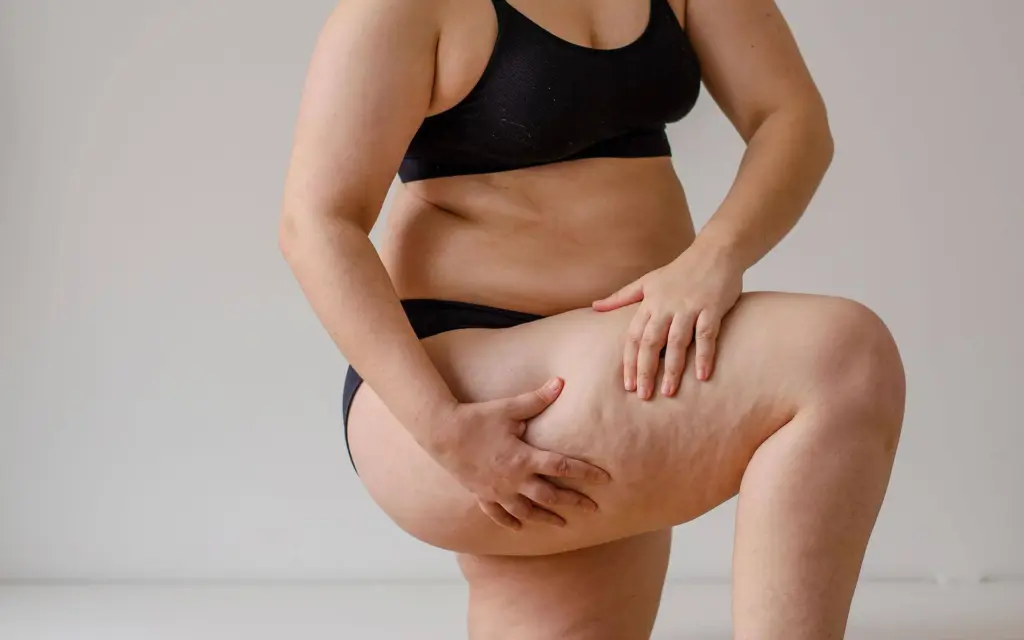
Liposuction is one of the most widely performed body contouring surgeries worldwide. By extracting localized subcutaneous fat deposits, it sculpts and refines anatomical contours across the abdomen, flanks, arms, and thighs. While modern innovations like ultrasound-assisted lipoplasty and power-assisted liposuction have significantly elevated procedural safety, every surgical and non-invasive fat reduction procedure carries physiological responses and potential complications.
Understanding potential liposuction side effects is essential for setting realistic expectations and safeguarding post-operative health. Prospective patients frequently evaluate liposuction side effects long-term, compare vaser liposuction side effects against traditional techniques, research comprehensive 360 liposuction side effects, analyze non surgical liposuction side effects, and examine anatomical risks such as arm liposuction side effects, tummy liposuction side effects, belly fat liposuction side effects, and breast liposuction side effects. This comprehensive medical guide provides an evidence-based breakdown of immediate side effects, long-term risks, technology-specific profiles, and clinical protocols to minimize complications.
Table of Contents
Short-Term vs. Normal Post-Operative Responses
Following surgical fat removal, the body initiates an active inflammatory and healing cascade. The following short-term liposuction side effects are expected physiological responses:
Get Free Consultation
Have any questions? Leave your details and we'll get back to you shortly.
- Post-Surgical Edema (Swelling): Surgical trauma and tumescent fluid retention cause localized swelling that peaks within the first 72 hours and gradually resolves over 6 to 12 weeks.
- Ecchymosis (Bruising): Disruptions to superficial micro-capillaries cause bruising across the treated areas, typically shifting in color from purple to yellowish-green before fading within 2 to 3 weeks.
- Localized Soreness and Discomfort: Patients often describe post-op discomfort as akin to an intense muscular workout, easily managed with prescribed analgesics.
- Drainage of Tumescent Fluid: During the first 24 to 48 hours, pinkish, blood-tinged anesthetic solution drains from micro-incisions, which helps reduce subsequent tissue swelling.
- Transient Cutaneous Paresthesia: Numbness, tingling, or hypersensitivity occurs as microscopic nerve endings in the subdermal plexus recover from cannula passage.
Technology-Specific Side Effect Profiles
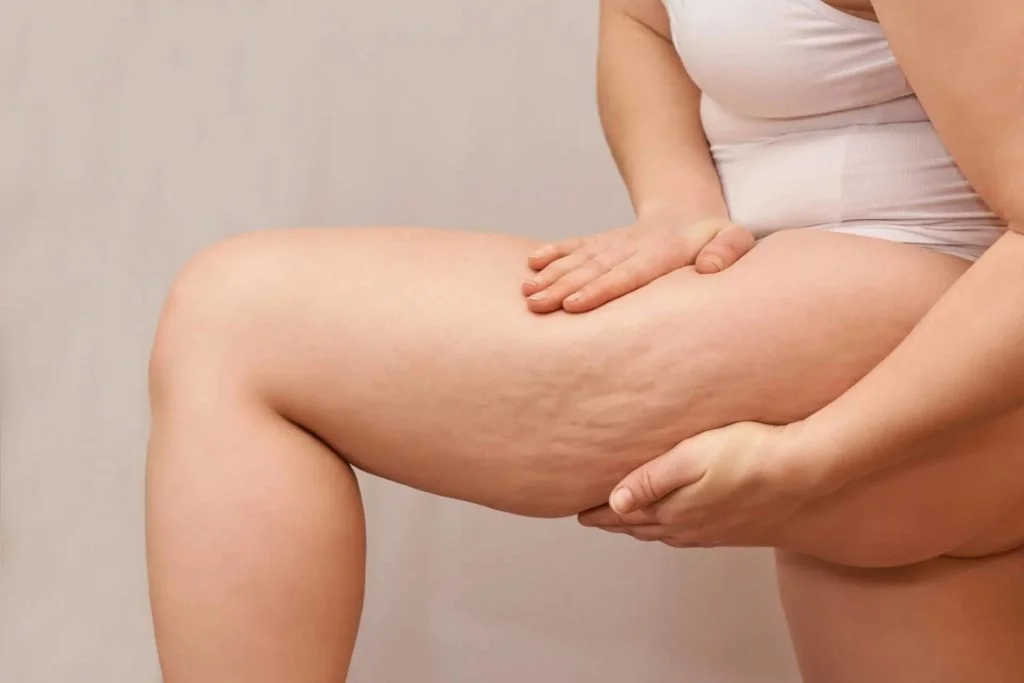
Different fat reduction technologies interact with subcutaneous tissue in distinct ways:
1. Vaser Liposuction Side Effects
Vaser technology uses ultrasonic sound waves to emulsify fat cells before suction. While it minimizes blood loss and enhances skin tightening, specific vaser liposuction side effects and 3d liposuction side effects include thermal skin burns at entry ports if insulation probes are misplaced, prolonged seroma formation due to ultrasonic cavitation, and localized firmness during early collagen remodeling.
2. 360 Liposuction Side Effects
Circumferential liposuction treats the entire midsection (abdomen, flanks, and lower back) in a single operation. Because a larger surface area and higher volume of fat are addressed, 360 liposuction side effects typically involve more pronounced post-operative fatigue, greater overall fluid retention (dependent edema in the lower extremities), and increased reliance on compression garments to prevent fluid shifts.
3. Non-Surgical Liposuction Side Effects
Non-invasive modalities (such as cryolipolysis, radiofrequency, or laser lipolysis) avoid incisions and general anesthesia. However, non surgical liposuction side effects include temporary erythema (redness), localized paradoxical adipose hyperplasia (rare tissue expansion post-cryolipolysis), temporary firmness, and superficial skin sensitivity.
Area-Specific Side Effects and Anatomical Considerations
Recovery characteristics vary significantly depending on the treated anatomical zone:
ANATOMICAL RECOVERY PROFILES:
- [Tummy / Belly Fat Lipo]: High Seroma Risk | Requires Strict Compression | Prone to Evening Swelling
- [Arm Liposuction]: Dependent Forearm Swelling | Sensitive Ulnar Nerve | Garment Edge Indentations
- [Breast Liposuction]: Tenderness & Bruising | Temporary Nipple Sensation Loss | Firmness During Healing
- Tummy & Belly Fat Liposuction Side Effects: Because the abdomen experiences continuous movement from breathing and bending, tummy liposuction side effects and belly fat liposuction side effects often include prolonged lower-abdominal swelling, internal scar tissue (fibrosis), and a temporary feeling of abdominal tightness.
- Arm Liposuction Side Effects: Gravity causes lymphatic fluid to migrate downward, making dependent forearm and hand swelling one of the primary arm liposuction side effects. Patients may also experience transient inner-arm sensitivity due to proximity to the ulnar and medial antebrachial cutaneous nerves.
- Breast Liposuction Side Effects: When performing reduction or contouring on breast or chest tissue, breast liposuction side effects can involve temporary alterations in nipple-areola sensation, localized glandular firmness, and prolonged bruising across the pectoral borders.
Long-Term and Potential Severe Complications
While severe risks are rare when surgery is performed by an accredited plastic surgeon in a hospital setting, understanding liposuction side effects long-term is crucial for informed consent:
1. Contour Irregularities and Asymmetry
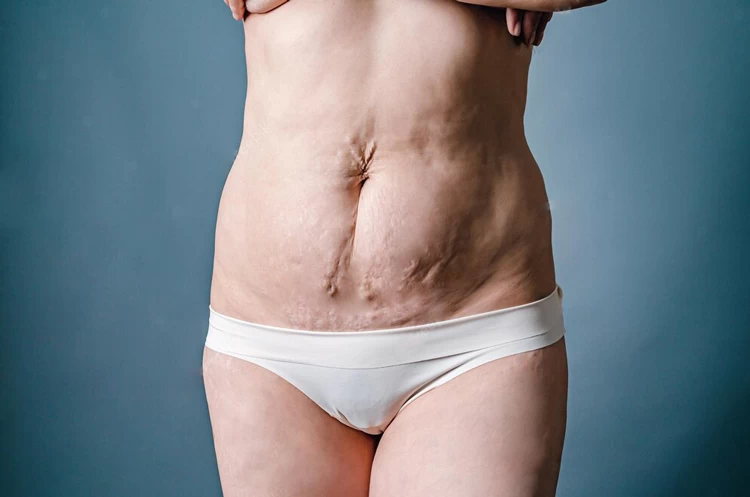
Uneven fat removal, poor skin elasticity, or improper healing can result in surface depressions, waviness, or lumpiness. While post-operative massage and compression resolve most early irregularities, persistent contour deformities may require secondary fat grafting or revision contouring.
2. Chronic Seroma and Hematoma Formation
A seroma is a pocket of clear lymphatic fluid that collects in the empty subcutaneous space left by cannula extraction. If large seromas fail to reabsorb naturally, they require in-clinic sterile needle aspiration.
3. Persistent Skin Hyperpigmentation and Scar Thickening
Micro-incisions can develop hyperpigmentation or hypertrophic scarring, particularly in individuals prone to elevated melanin responses or keloids following sun exposure.
4. Rare Systemic Surgical Complications
Major systemic risks such as deep vein thrombosis (DVT), pulmonary embolism, fat embolism syndrome, severe infection, or lidocaine toxicity are minimized by adhering to safe volume extraction limits (typically under 4 to 5 liters per session), using mechanical compression stockings, and promoting early post-operative ambulation.
Liposuction Modalities & Side Effects Comparison Matrix
| Parameter / Metric | Traditional Tumescent Lipo | Vaser (Ultrasound) Lipo | 360 Circumferential Lipo | Non-Surgical Fat Reduction |
| Primary Mechanism | Manual mechanical cannula | Ultrasonic fat emulsification | Multi-zone mechanical/Vaser | Cold/Heat energy destruction |
| Invasiveness | Surgical (Micro-incisions) | Surgical (Micro-incisions) | Surgical (Multi-site incisions) | Non-invasive (No incisions) |
| Common Short-Term Effects | Bruising, swelling, soreness | Bruising, port swelling, warmth | Widespread swelling, fatigue | Redness, numbness, mild ache |
| Seroma Risk Profile | Low to Moderate | Moderate | Moderate to High | None (0%) |
| Skin Burn Risk | None | Low (Avoided via port guards) | Low | Extremely Rare |
| Downtime / Recovery | 5 to 7 Days | 3 to 5 Days | 7 to 14 Days | 0 Days (Immediate return) |
Frequently Asked Questions (FAQ)
What are the most common long-term side effects of liposuction?
The most common long-term side effects include mild contour irregularities (such as small ripples or firm fibrotic spots), minor asymmetry between bilateral areas, localized patches of reduced skin sensation, and visible incision scars. Maintaining a stable weight and completing post-operative lymphatic drainage massages drastically lowers these risks.
How can I prevent lumps and uneven skin after liposuction?
To prevent contour irregularities, wear your medical-grade compression garment (faja) exactly as prescribed for the full 4 to 8 weeks, incorporate flat lipofoam pads beneath the garment to distribute pressure evenly, and begin certified manual lymphatic drainage (MLD) massages starting in the second post-operative week.
Are side effects from 360 liposuction worse than single-area liposuction?
Because 360 liposuction treats the abdomen, flanks, and entire back simultaneously, the overall surgical surface area is larger. Consequently, patients experience more widespread swelling, higher systemic fatigue, and a slightly longer initial recovery period compared to localized, single-area procedures like isolated arm liposuction.
When should post-operative liposuction symptoms be treated as an emergency?
You should seek emergency medical attention immediately if you experience shortness of breath, sudden chest pain, severe one-sided leg swelling (signs of DVT or pulmonary embolism), a high fever with spreading skin redness and heat (signs of infection), or persistent dizziness and fainting.

 |
|