Skip to content

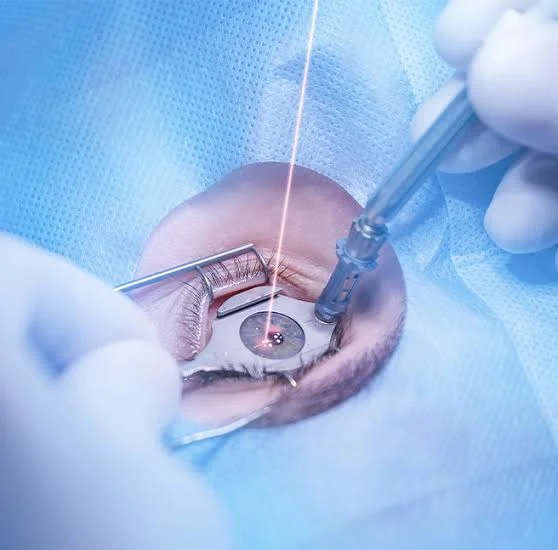
Refractive errors such as myopia (nearsightedness), hyperopia (farsightedness), and astigmatism affect billions of individuals worldwide, making daily life dependent on prescription glasses or contact lenses. While Femto-LASIK remains a widely recognized laser vision correction procedure, it requires slicing a permanent corneal flap. For millions of patients with structurally thin corneas, anterior basement membrane dystrophy, chronic dry eye tendencies, or those active in contact sports and tactical professions, creating a corneal flap introduces biomechanical vulnerability. For these specific anatomical profiles, PRK surgery (Photorefractive Keratectomy) serves as the primary surface ablation alternative.
Prospective laser eye candidates routinely seek clinical clarity on what is PRK surgery, research the day-to-day phases of the PRK surgery recovery timeline, examine the physical appearance and sensation of eyes after PRK surgery, ask how long does PRK surgery take on the operating day, evaluate medical travel arrangements for PRK surgery Turkey, and analyze the clinical variables that determine the overall PRK surgery cost. This clinical guide examines the physiological mechanisms, operative phases, epithelial healing milestones, and pricing variables.
Table of Contents
What Is PRK Surgery and How Does It Work?
If you are researching what is PRK surgery, Photorefractive Keratectomy is an advanced, surface-based refractive corneal laser procedure that permanently reshapes the curvature of the cornea without cutting or creating a stromal flap.
Get Free Consultation
Have any questions? Leave your details and we'll get back to you shortly.
Unlike LASIK, which cuts deep into the corneal stroma to fold back a protective flap, PRK works directly on the surface:
- Epithelial Removal: The outermost regenerative layer of the cornea (the epithelium) is gently softened using a dilute medical alcohol solution, a motorized rotating brush, or an excimer laser beam (known as Trans-PRK or SmartSurfACE) and completely removed.
- Excimer Laser Photoablation: A computer-guided ultraviolet excimer laser with cold pulse technology evaporates microscopic amounts of stromal tissue beneath the surface, reshaping the corneal curvature to correct refractive errors within seconds.
- Bandage Contact Lens Application: Because the surface epithelium has been removed, the surgeon places a clear, therapeutic, non-prescription soft bandage contact lens over the treated cornea to protect nerve endings and facilitate smooth epithelial regeneration.
- Complete Biological Regeneration: Unlike a LASIK flap, which never permanently re-adheres to its original pre-surgery strength, the corneal epithelium regrows naturally from the periphery inward over three to five days, leaving behind a structurally intact cornea with zero risk of flap dislocation.
The Procedure: How Long Does PRK Surgery Take?
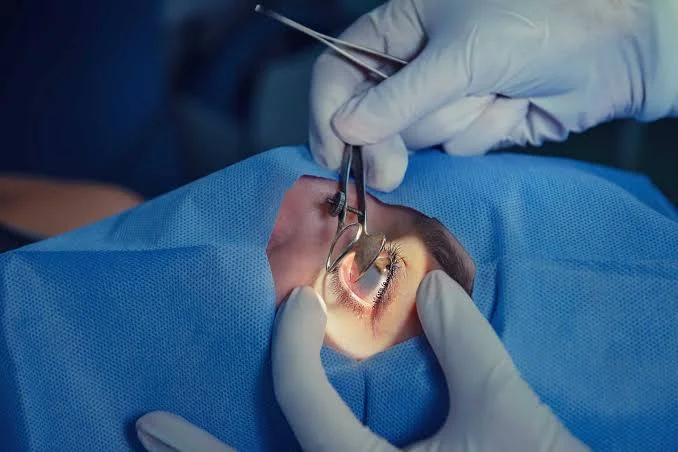
Patients preparing for treatment frequently ask how long does PRK surgery take:
- Total Operating Room Time: The entire procedural visit takes roughly ten to fifteen minutes for both eyes.
- Actual Laser Time: The excimer laser delivery itself lasts only ten to forty seconds per eye, depending on the severity of the prescription and the degree of astigmatism being corrected.
- Pre-Operative Preparation: Before the laser begins, numbing anesthetic drops are administered several times to ensure the eye surface is insensitive to touch. An eyelid speculum is positioned to keep the eye open without discomfort, and an infrared eye-tracking system monitors eye movements thousands of times per second, guaranteeing that laser pulses stop instantly if the eye shifts out of alignment.
Recovery Roadmap: PRK Surgery Recovery Timeline
Understanding the biological healing timeline prevents unnecessary anxiety, as surface ablation demands patience compared to the rapid initial clarity of LASIK:
- Days One to Three (Acute Re-Epithelialization): Local anesthetic wears off within an hour. The eyes after PRK surgery will feel irritated, watery, light-sensitive, and gritty, similar to an eyelash caught under the eyelid. Visual acuity remains functional but noticeably hazy. Patients must rest in a darkened room, take prescribed pain-relieving drops, and use cold compresses.
- Days Four to Five (Bandage Lens Removal): The newly regenerated epithelial cells meet in the center of the cornea. An ophthalmologist examines the eye under a slit lamp to verify that the epithelial barrier has closed completely. Once confirmed, the protective bandage contact lens is gently removed in the clinic.
- Weeks One to Two (Fluctuating Vision): Vision steadily improves to driving standards, though patients will experience temporary ghosting, mild halo effects around headlights, and fluctuating sharpness as the fresh surface cells smooth out.
- Months One to Three (Stabilization and Crystal Clarity): Any subtle corneal haze completely resolves as the stromal collagen matures under a tapering regimen of mild steroid eye drops. Full, crisp, twenty-twenty or better vision stabilizes permanently.
Physical Sensation and Appearance: Eyes After PRK Surgery
Patients evaluating what to expect immediately after the operation often wonder about the condition of their eyes after PRK surgery:
- Redness and Conjunctival Injection: The sclera (the white of the eye) may appear mildly bloodshot during the first seventy-two hours due to the eye speculum and the healing process.
- Excessive Tearing and Epiphora: The lacrimal glands produce excess protective tears in response to exposed corneal surface nerves during the first forty-eight hours.
- Pupil Size and Clarity: The pupil and iris appear normal, but the transparent cornea may look slightly hazy when viewed closely in a mirror until the epithelium reorganizes.
- Photophobia: Eyes are sensitive to bright smartphone screens, overhead fluorescent lighting, and natural sunlight, necessitating dark sunglasses both indoors and outdoors during the initial three days.
Post-Operative Safety and Eye Protection Guidelines
Following these clinical rules prevents corneal haze, infection, and irregular astigmatism during re-epithelialization:
- Strictly No Eye Rubbing: Never rub, wipe, or apply pressure to your eyes for at least eight weeks. Rubbing can tear the delicate newly formed epithelial cells off the cornea.
- Strict Adherence to Eye Drops: Use prescribed antibiotic drops, non-steroidal anti-inflammatory drops, and preservative-free artificial tears exactly on schedule. Taper fluorometholone or loteprednol steroid drops precisely as directed by your eye surgeon to avoid postoperative haze.
- Avoid Water Contact: Keep tap water, soap, and shampoo out of your eyes during showers for the first seven days to prevent exposure to water-borne pathogens like Acanthamoeba. Avoid swimming pools, hot tubs, and the sea for one full month.
- Wear UV-Blocking Sunglasses: Wear high-grade UV-protective sunglasses whenever outdoors for six months. Ultraviolet radiation triggers keratocytes in the healing stroma, which can cause late-onset subepithelial corneal haze.
Comparative Matrix: PRK vs. LASIK vs. SMILE
| Clinical Parameter | PRK (Photorefractive Keratectomy) | Femto-LASIK | SMILE (Small Incision Lenticule Extraction) |
| Corneal Flap Creation | None (Surface ablation) | Yes (100 to 120-micron flap) | None (Keyhole lenticule removal) |
| Ideal for Thin Corneas | Excellent (Preserves deep tissue) | Poor (Requires adequate residual bed) | Moderate to Good |
| Flap Dislocation Risk | Zero percent | Small lifetime risk with direct trauma | Zero percent |
| Initial Visual Recovery | 4 to 7 Days (Functional) | 24 Hours (Immediate clarity) | 24 to 48 Hours |
| Discomfort Level | Moderate (Days 1 to 3) | Minimal to None | Minimal |
| Long-Term Dry Eye Risk | Very Low (Nerves regenerate fully) | Moderate (Stromal nerves cut) | Low (Minimal nerve disruption) |
| Stabilization Time | 1 to 3 Months | 1 to 2 Weeks | 2 to 4 Weeks |
What Determines the PRK Surgery Cost?
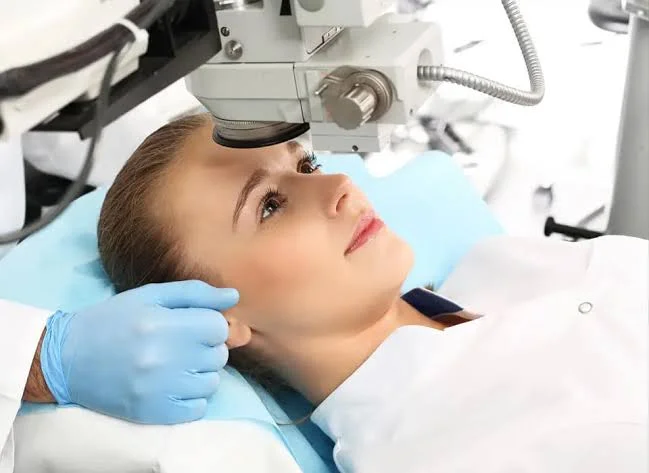
Prospective patients researching the overall PRK surgery cost or considering medical travel packages for PRK surgery Turkey will find that pricing is influenced by technical, diagnostic, and logistical factors rather than a single flat fee:
- Diagnostic Wavefront Topography: Comprehensive pre-operative mapping using corneal tomography (such as Pentacam or Sirius) and wavefront aberrometry to customize the laser ablation pattern influences the technical service fee.
- Laser Technology Platform: Using modern excimer laser suites (such as the Schwind Amaris 1050RS or Alcon WaveLight EX500) with active seven-dimensional eye-tracking and Trans-PRK (all-laser no-touch) capabilities carries different maintenance and licensing costs compared to older manual-debridement lasers.
- Surgeon Experience and Subspecialty Credentials: Board-certified refractive surgeons, corneal specialists, and fellows of international ophthalmology colleges set fees that reflect their complication-management expertise.
- Bilateral vs. Unilateral Treatment: While most patients undergo bilateral simultaneous treatment (both eyes on the same day), treating an isolated single eye for anisometropia reduces procedural consumables.
- Geographic Location and All-Inclusive Healthcare Packages: Operational clinic overhead, malpractice structures, and currency dynamics create distinct price variations between private metropolitan eye hospitals in the UK or US and accredited healthcare destinations like Turkey. Programs for PRK surgery in Turkey routinely bundle advanced wavefront diagnostics, all-laser Trans-PRK treatment, therapeutic bandage lenses, a complete supply of post-op eye drops, boutique hotel accommodation, and private VIP transfers into structured care arrangements.
Frequently Asked Questions (FAQ)
Can PRK surgery cause permanent blindness?
No. PRK is one of the most thoroughly studied refractive procedures in ophthalmic history, with millions of procedures performed safely over three decades. The laser operates exclusively on the superficial corneal layers and cannot penetrate into the interior of the eye, lens, or retina. Serious sight-threatening complications, such as deep microbial keratitis, occur in less than one in ten thousand cases when proper drop regimens and hygiene are maintained.
What is the difference between PRK and Trans-PRK (No-Touch)?
In conventional PRK, the surgeon manually removes the surface epithelium using a dilute alcohol solution or a specialized brush before firing the excimer laser. In Trans-PRK (SmartSurfACE), the entire procedure is performed touch-free in a single step: the excimer laser removes the epithelium and reshapes the corneal stroma consecutively without any manual surgical instruments touching the eye, leading to slightly faster re-epithelialization.
Why is PRK preferred over LASIK for athletes, pilots, and military personnel?
Because PRK does not create a corneal flap, there is no risk of a flap shifting, wrinkling, or dislodging if the eye experiences sudden blunt trauma, high atmospheric pressure, or airbags. This structural safety makes it the approved choice for military aviators, combat personnel, martial artists, and scuba divers.
Will my vision regress years after PRK surgery?
The physical curvature modifications made to your corneal stroma by the excimer laser are permanent. However, your natural eye can undergo age-related changes over decades, such as presbyopia (the natural loss of reading vision after age forty) or minor prescription shifts due to hormonal or axial length variations, which can be managed with a minor touch-up procedure or reading glasses.

 |