Skip to content

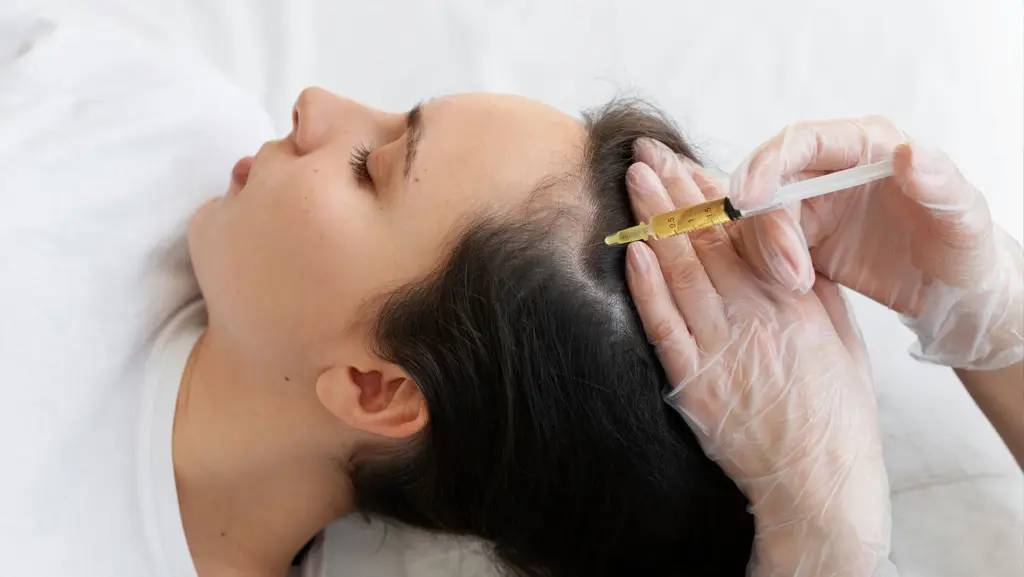
Androgenetic alopecia, commonly known as male or female pattern baldness, affects tens of millions of individuals worldwide. The progressive miniaturization of hair follicles triggered by dihydrotestosterone (DHT) gradually shortens the anagen (growth) cycle, producing thinner, finer hairs until the follicle becomes dormant. Traditional surgical hair restoration techniques such as Follicular Unit Extraction (FUE) and Direct Hair Implantation (DHI) redistribute limited donor hair from the back of the scalp to balding zones. While effective, traditional surgery is constrained by finite donor reserves. To address this biological bottleneck, regenerative trichology has pioneered the stem cell hair transplant.
By utilizing autologous progenitor cells and regenerative growth factors to awaken dormant miniaturized follicles while accelerating graft survival during surgical restoration, this approach provides a powerful combination of cellular therapy and hair grafting.
Prospective patients frequently ask what is stem cell hair transplant, explore all-inclusive medical travel options for stem cell hair transplant Turkey, review documented transformations in stem cell hair transplant before and after portfolios, evaluate real-world patient feedback in stem cell hair transplant reviews, ask with concern is stem cell hair transplant permanent, analyze potential stem cell hair transplant side effects, and research clinical variables determining the stem cell hair transplant cost. This clinical guide examines the cellular mechanisms, harvesting protocols, safety benchmarks, and pricing dynamics.
Get Free Consultation
Have any questions? Leave your details and we'll get back to you shortly.
Table of Contents
What Is a Stem Cell Hair Transplant and How Does It Work?
If you are researching what is stem cell hair transplant, it refers to two primary clinical approaches in modern hair restoration: an autologous micrograft suspension therapy (such as the Regenera Activa protocol) used as a standalone regenerative treatment, or a combined procedure where concentrated autologous stem cells are injected into the recipient scalp alongside standard micro-FUE or Sapphire FUE grafting.
Unlike embryonic stem cells, regenerative hair therapy uses adult autologous progenitor cells harvested directly from the patient:
- Tissue Micro-Harvesting: Under local anesthesia, the surgeon harvests three to five punch biopsy samples (each two to three millimeters in diameter) from the posterior donor scalp behind the ears, a region genetically resistant to DHT. Alternatively, autologous adipose-derived stem cells (ADSCs) can be harvested via gentle mini-liposuction of abdominal fat.
- Mechanical Filtration and Separation: The harvested tissue is placed in a specialized sterile closed centrifugation system equipped with micro-blades and precision filtration grids. This mechanical process isolates the stromal vascular fraction (SVF) or follicular progenitor cells, yielding a rich liquid suspension teeming with adult stem cells, vascular endothelial growth factors (VEGF), and fibroblasts.
- Scalp Micro-Infiltration: The cellular concentrate is injected using microscopic mesotherapy needles directly into thinning scalp areas at the follicular dermal papilla level. When paired with surgical FUE, the grafts are either bathed in this stem cell solution prior to placement or injected into the recipient channels to enhance microvascular re-anchoring.
Permanence: Is Stem Cell Hair Transplant Permanent?
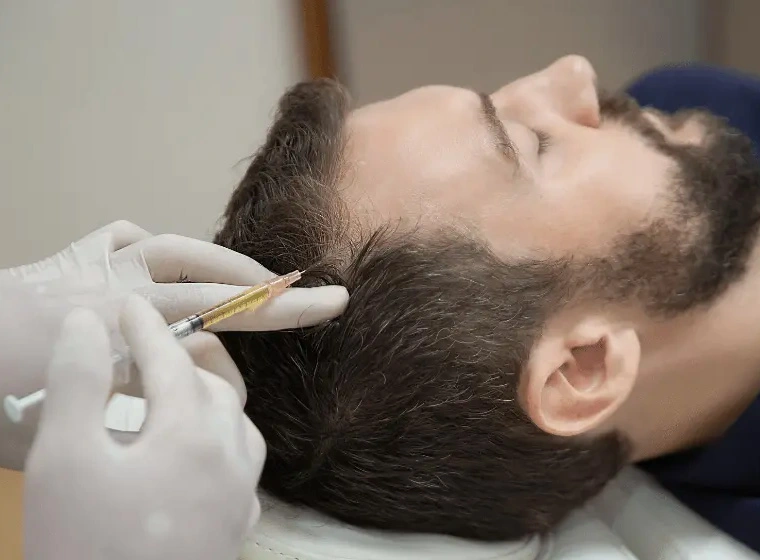
Patients evaluating procedural investments frequently ask is stem cell hair transplant permanent:
- Combined Surgical Grafting (Permanent): When autologous stem cells are used alongside traditional FUE or DHI hair transplantation, the transplanted follicular units are taken from the permanent donor zone. These hairs retain their genetic resistance to DHT and grow permanently for a lifetime. The addition of stem cells increases graft take rates from 90 percent to over 98 percent.
- Standalone Cellular Therapy (Semi-Permanent / Maintenance Required): When stem cell suspension is performed as an isolated non-surgical injection to reverse diffuse thinning, the newly revitalized native follicles remain subject to baseline genetics and future DHT exposure. While thick, active hair growth typically persists for two to three years following a single session, periodic maintenance booster sessions every eighteen to twenty-four months are recommended to sustain follicle diameter and density.
Real-World Feedback: Stem Cell Hair Transplant Reviews and Before & After
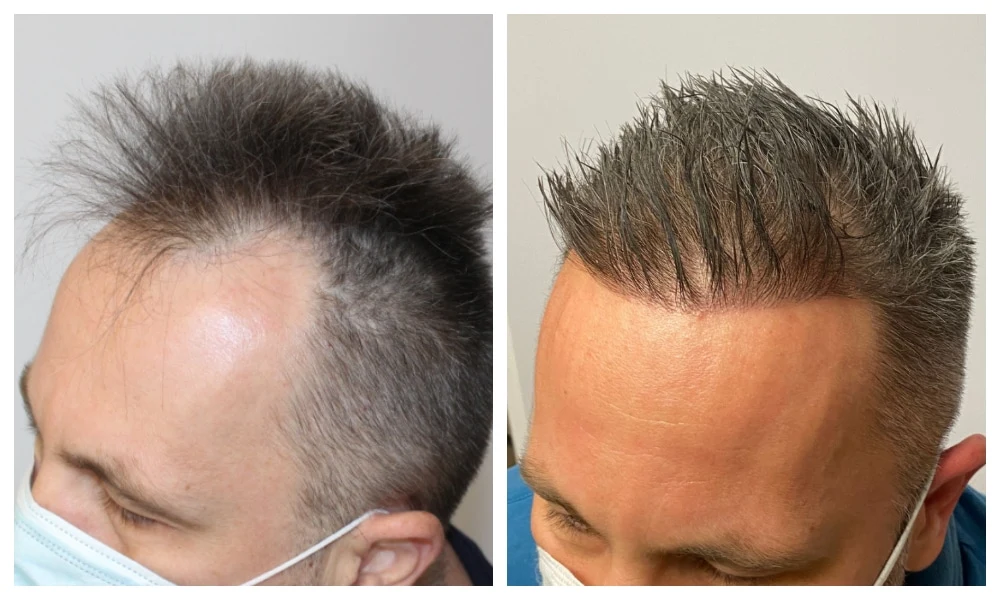
Reviewing verified stem cell hair transplant reviews and documented clinical stem cell hair transplant before and after portfolios reveals clear, consistent clinical trends:
- Accelerated Healing and Scab Shedding: Traditional FUE donor areas require ten to twelve days to close completely; stem-cell-infused donor sites show advanced epithelialization within four to six days.
- Elimination of Shock Loss: A frequent finding in patient reviews is a substantial reduction in post-operative shock loss (the temporary shedding of surrounding native hair after surgery). The high concentration of autologous growth factors stabilizes neighboring follicles.
- Reversal of Miniaturization: Macro-photography reveals that dormant, wispy vellus hairs transform into thick, pigmented terminal hairs within four to six months.
- High Density Outcomes: In both male and female diffuse thinning cases, patients report noticeable scalp coverage and improved hair shaft caliber across the crown and mid-scalp.
Safety Profile: Stem Cell Hair Transplant Side Effects
A primary consideration for prospective patients is whether there are significant stem cell hair transplant side effects:
- Autologous Biological Safety: Because the cellular suspension is prepared entirely from your own tissue without synthetic chemical additives or enzymatic culturing, there is zero risk of systemic allergic reaction, foreign-body rejection, or disease transmission.
- Transient Post-Procedural Effects: Common, mild side effects are localized and temporary:
- Donor Site Soreness: Mild tenderness or pinprick bruising at the micro-punch biopsy sites behind the ear, resolving within forty-eight to seventy-two hours.
- Minor Scalp Edema: Mild forehead or periorbital swelling from local anesthetic fluid, which peaks on day three and clears naturally by day five.
- Temporary Scalp Redness and Itching: Mild redness at the micro-injection points, lasting two to four days as vascular healing begins.
- Risk of Infection: Because the procedure uses sterile, closed single-use disposable kits, clinical infection rates are exceptionally low (under one in one thousand cases).
Treatment Comparison: Stem Cell Hair Restoration vs. Traditional FUE vs. PRP
| Clinical Parameter | Stem Cell Hair Transplant (Combined) | Traditional FUE / DHI | Platelet-Rich Plasma (PRP) |
| Primary Mechanism | Autologous hair grafts plus progenitor stem cells | Redistribution of donor hair follicles alone | Injected concentrated blood platelets |
| New Follicle Creation | Awakes dormant follicles and adds grafts | Only redistributes existing grafts | Cannot generate new follicles |
| Graft Survival Rate | Exceptionally High (96 to 99 percent) | High (88 to 93 percent) | Not applicable (No grafting) |
| Downtime | 4 to 6 Days | 8 to 12 Days | Zero downtime |
| Need for Repetition | Permanent grafts; optional cell boosters | Permanent grafts | Requires 3 to 4 sessions annually |
| Invasiveness | Minimally invasive surgery | Minimally invasive surgery | Non-surgical injection |
What Determines the Stem Cell Hair Transplant Cost?
When evaluating the overall stem cell hair transplant cost or researching specialized clinics for stem cell hair transplant Turkey, prospective patients will discover that pricing is personalized rather than fixed. Total procedural expenses depend on several specific clinical, technological, and logistical variables:
- Combined Procedure vs. Standalone Therapy: An isolated non-surgical micrografting session carries a different pricing structure than a combined mega-session involving four to five thousand FUE grafts accompanied by stem cell processing.
- Stem Cell Harvesting Source and Technology: Isolating micrografts from follicular scalp biopsies using specialized closed mechanical filtration kits involves different equipment and consumables than harvesting adipose-derived stem cells via abdominal mini-liposuction and laboratory centrifugation.
- Graft Quantity and Balding Stage: Higher Norwood stages requiring extensive surface coverage across the hairline, mid-scalp, and crown increase the duration of the surgical team and the volume of progenitor cell suspension needed.
- Surgeon Specialization and Clinical Accreditation: Internationally certified hair restoration surgeons who belong to organizations such as the International Society of Hair Restoration Surgery (ISHRS) command fees reflecting their specialized training and aesthetic hair-line artistry.
- Geographic Location and All-Inclusive Packages: Procedural costs vary markedly between private metropolitan clinics in the UK or US and accredited medical tourism destinations like Turkey. Programs for stem cell hair transplant in Turkey frequently bundle advanced Sapphire FUE or DHI, stem cell harvesting and processing, post-operative medications, special shampoos, five-star hotel accommodation (three to four nights), and private VIP airport-clinic transfers into one structured arrangement.
Frequently Asked Questions (FAQ)
Can a stem cell hair transplant clone new hair follicles?
Currently, stem cell hair therapy does not clone unlimited new follicles in a laboratory setting. Instead, it harvests existing adult autologous progenitor cells and bioactive growth factors to repair and awaken dormant, miniaturized native follicles, while significantly improving the survival, vascularity, and growth speed of transplanted FUE grafts.
How soon will I see visible results after a stem cell hair transplant?
If you undergo a combined surgical transplant, the transplanted hairs will shed between weeks two and four (shock loss) and begin permanently regrowing by month three. Thickening of native, miniaturized hair fueled by the stem cells becomes noticeable between months three and five. Full density, hair caliber maturation, and final visual coverage are achieved between twelve and fifteen months post-procedure.
Am I an ideal candidate for stem cell hair restoration?
Ideal candidates include men and women experiencing early-to-moderate androgenetic alopecia (thinning crown, widening part, diffuse thinning) who still possess dormant hair follicles capable of revitalization, or patients undergoing surgical hair transplants who wish to maximize graft take, accelerate donor healing, and protect vulnerable non-transplanted native hair.
How painful is the procedure?
The procedure is virtually painless. The scalp donor area and recipient zones are completely numbed using local anesthesia administered via needle-free comfort injectors or standard micro-needles.

 |