Skip to content
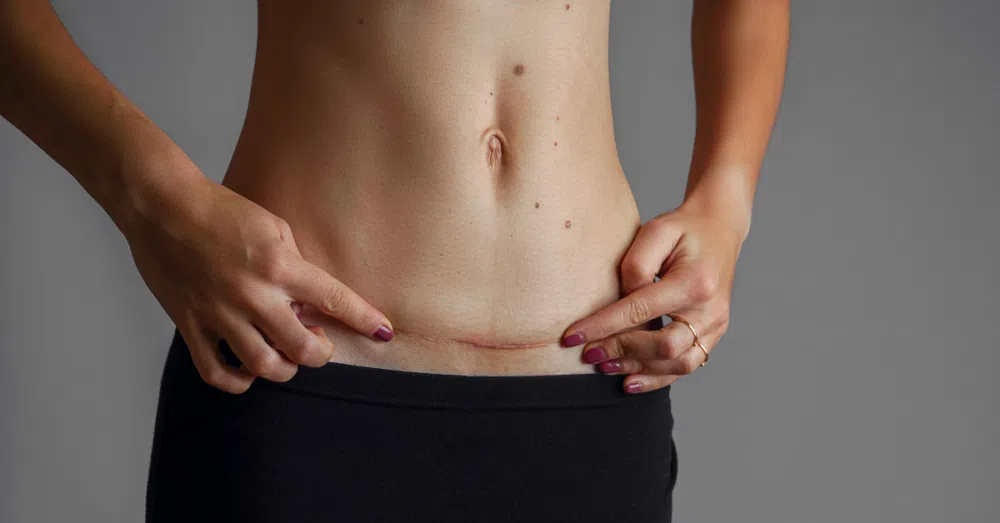
Abdominoplasty, commonly known as a tummy tuck, is one of the most transformative body contouring procedures in plastic surgery. By excising excess loose skin, removing stubborn subcutaneous fat, and surgically repairing separated abdominal wall muscles (diastasis recti plication), a tummy tuck restores a firm, flat, and defined core.
While the procedure delivers dramatic aesthetic and functional enhancements, it requires a dedicated post-operative healing phase. Navigating your recovery with clarity is essential for a safe recovery and optimal long-term results.
Patients frequently ask how long is tummy tuck recovery, research realistic tummy tuck recovery time, examine detailed week by week tummy tuck recovery milestones, compare mini tummy tuck recovery timelines against full procedures, and investigate 360 tummy tuck recovery time when circumferential contouring is involved. This comprehensive medical guide provides a detailed clinical timeline, outlines post-op milestones, explains how to manage swelling and drains, and details when you can safely return to daily life.
Get Free Consultation
Have any questions? Leave your details and we'll get back to you shortly.
Table of Contents
How Long Is Tummy Tuck Recovery?
When asking how long is tummy tuck recovery, it is important to distinguish between functional recovery and complete tissue maturation:
- Functional Recovery (2 to 4 Weeks): Most patients can stand completely upright, walk comfortably, discontinue prescription pain medications, and return to sedentary or desk-based work.
- Active Physical Recovery (6 to 8 Weeks): Internal abdominal wall muscle repair achieves approximately 80 percent of its structural strength, allowing for the reintroduction of light cardio and moderate physical activity.
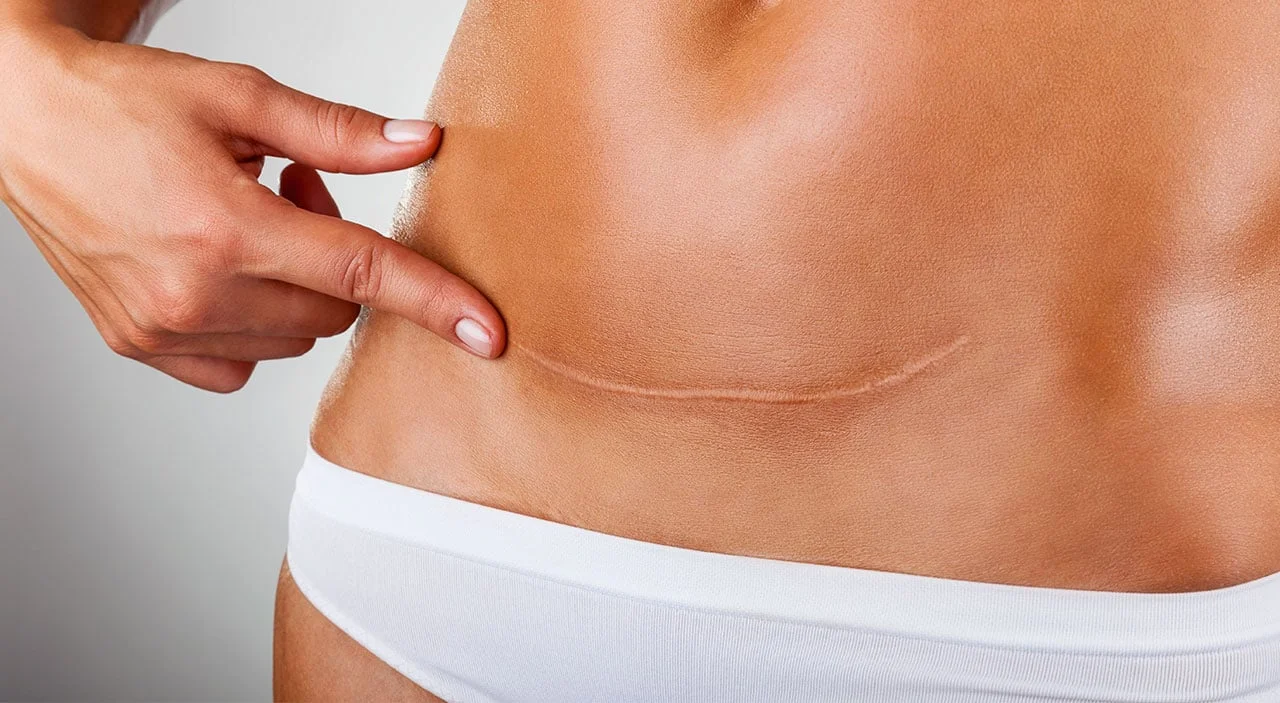
- Complete Tissue Maturation (6 to 12 Months): Deep lymphatic channels re-establish, residual evening swelling completely resolves, and the incision scar softens, flattens, and fades from pink to a pale, subtle line.
Week by Week Tummy Tuck Recovery: What to Expect
Understanding the phased healing curve in a week by week tummy tuck recovery plan helps alleviate post-operative anxiety and ensures proper wound protection:
HEALING POSTURE TIMELINE:
- [Days 1 to 7] -> Walk Bent at 45° Angle (Zero Tension on Incisions)
- [Weeks 2 to 3] -> Gradual Straightening (Posture Normalizes)
- [Weeks 4 to 6] -> Full Upright Posture & Active Core Stabilization
Week 1: Acute Healing, Drains, and Rest
- Posture & Mobility: Due to skin excision and muscle tightening, you will walk with a slightly bent-over posture (around 45 degrees) to avoid placing tension on the lower incision. Short, gentle walks around the room every 2 hours are mandatory to prevent blood clots (deep vein thrombosis).
- Surgical Drains: One or two temporary closed-suction drains collect lymphatic fluid and blood. Drains are emptied and recorded daily until fluid output drops below 25 to 30 milliliters over 24 hours (usually removed between days 7 and 10).
- Compression & Hygiene: You will wear an abdominal binder or stage 1 compression garment 24 hours a day. Sponge baths are recommended until drains are removed and the surgeon clears light showering.
- Discomfort Management: Prescribed analgesics, muscle relaxants, and anti-nausea medications keep you comfortable during the first 72 to 96 hours.
Weeks 2 to 3: Drain Removal and Early Mobility
- Standing Straighter: As abdominal skin relaxes, you will gradually stand more upright each day, typically achieving normal posture by the end of week 2.
- Drain Removal: Drains are painlessly removed in the clinic once fluid drainage subsides.
- Returning to Sedentary Work: Patients working desk jobs or remote positions often feel comfortable resuming light duties between days 10 and 14.
- Driving: You may resume driving once you are completely off narcotic medications and can perform a rapid emergency brake without abdominal hesitation (usually day 14).
Weeks 4 to 5: Expanding Daily Function
- Swelling Dynamics: While daytime swelling decreases, your abdomen may look noticeably flatter in the morning and slightly puffier by the evening as gravity and daily activity draw fluid downward.
- Light Household Chores: You can handle light cooking, errands, and walking longer distances. Lifting anything heavier than 5 to 10 pounds (including young children or heavy groceries) remains strictly prohibited.
- Incision & Scar Care: Once all scabs naturally fall off and the incision is fully sealed, your surgeon will prescribe silicone scar gels, sheets, or taping to promote flat, pale scar maturation.
Weeks 6 to 8: Exercise Clearance and Muscle Strength
- Resuming Structured Workouts: Most plastic surgeons clear patients for light aerobic exercise, low-impact stationary cycling, and brisk walking. Direct, heavy core exercises (crunches, sit-ups, planks, heavy squats) must wait until week 10 to 12.
- Garment Transition: You can usually transition from a stage 1 medical faja to a lighter stage 2 compression garment or wear it for 12 hours a day.
Months 3 to 12: Final Aesthetic Settling
- Scars: Incision lines shift from red/pink to light purplish-brown, before gradually blanching into a thin, discreet silver line hidden beneath swimwear.
- Nerve Regeneration: Normal sensation returns to numb areas of the lower abdomen as sensory nerves regenerate over 6 to 18 months.
Comparing Procedure Timelines: Full, Mini, and 360 Tummy Tuck
The overall tummy tuck recovery time depends significantly on the surgical technique used:
1. Mini Tummy Tuck Recovery
A mini abdominoplasty focuses exclusively on the lower abdomen beneath the navel, requiring a shorter incision and typically no repositioning of the belly button or upper muscle repair. Consequently, mini tummy tuck recovery is faster: patients often stand upright by day 3 to 5, return to desk work within 5 to 7 days, and resume light exercise by week 4.
2. Full Standard Tummy Tuck Recovery
Involves a hip-to-hip incision, complete rectus abdominis muscle repair from the ribs to the pubic bone, new belly button creation, and skin redraping. The tummy tuck recovery time requires 2 to 3 weeks away from work and 6 to 8 weeks before regular workouts.
3. 360 Tummy Tuck Recovery Time
Also called an extended or circumferential body lift, this procedure extends the incision around the flanks and lower back to address the entire torso (often combined with 360-degree liposuction). Because of the larger surgical area, 360 tummy tuck recovery time involves 3 to 4 weeks away from work, longer drain duration (up to 14 days), and more pronounced post-operative fatigue.
Procedure Recovery Comparison Matrix
| Surgical Approach | Typical Incision Length | Muscle Repair (Plication) | Drain Duration | Time Off Work (Desk) | Full Exercise Clearance |
| Mini Tummy Tuck | Short (C-section length) | Lower abdomen only (or none) | 3 to 7 Days (or drainless) | 5 to 7 Days | 3 to 4 Weeks |
| Standard Tummy Tuck | Hip-to-hip | Full midline repair | 7 to 10 Days | 10 to 14 Days | 6 to 8 Weeks |
| Extended Tummy Tuck | Past hips toward flanks | Full midline repair | 10 to 14 Days | 14 to 21 Days | 8 to 10 Weeks |
| 360 Circumferential Lift | 360° around entire waist | Full midline + lower back support | 10 to 14+ Days | 21 to 28 Days | 8 to 12 Weeks |
Practical Rules for a Safe and Fast Recovery

To support your healing and protect your surgical results, follow these proven clinical protocols:
- Maintain the Flexed Sleeping Position: Sleep in a recliner chair or in bed propped up at a 45-degree angle with 2 to 3 pillows under your knees for the first 2 to 3 weeks to eliminate tension on the incision line.
- Wear Your Compression Garment Consistently: The faja prevents fluid accumulation (seromas), holds healing tissues in place, and minimizes mechanical strain on internal sutures.
- Walk Early, Walk Often: Take gentle 5-minute walks every 2 to 3 hours while awake, starting on the evening of surgery, to promote circulation and prevent blood clots.
- Prioritize High-Protein Nutrition and Hydration: Consume lean proteins, zinc, vitamin C, and at least 2 to 3 liters of water daily while limiting sodium to prevent prolonged swelling.
- Strictly Avoid Nicotine and Smoking: Nicotine constricts micro-blood vessels, dramatically increasing the risk of wound separation, delayed healing, and skin necrosis.
Frequently Asked Questions (FAQ)
When can I stand up straight after a tummy tuck?
Most patients begin standing noticeably straighter around days 7 to 10 and can stand fully upright without pulling by the end of week 2 or early week 3. Forcing yourself to stand straight too early can stretch the lower incision line and widen your scar.
How painful is tummy tuck recovery, and when does it improve?
The most challenging discomfort occurs during the first 3 to 5 days, primarily caused by muscle repair soreness rather than the skin incision itself. Pain peaks around day 3, decreases significantly by day 7, and transitions into a mild tightness or workout-like soreness by week 2.
How long does swelling last after abdominoplasty?
The vast majority of visible post-surgical swelling subsides within 6 to 8 weeks. However, subtle residual swelling (especially in the lower abdomen at the end of active days) can persist for 6 to 12 months as internal lymphatic drainage networks regenerate.
What are the warning signs of complications during tummy tuck recovery?
Contact your surgical team immediately if you develop sudden shortness of breath or chest pain (signs of a pulmonary embolism), severe one-sided calf pain or swelling (DVT), a fever above 38 degrees Celsius, foul-smelling drainage from the incision, or a sudden, painful bulge on one side of your abdomen (hematoma or seroma).

 |
|