Skip to content
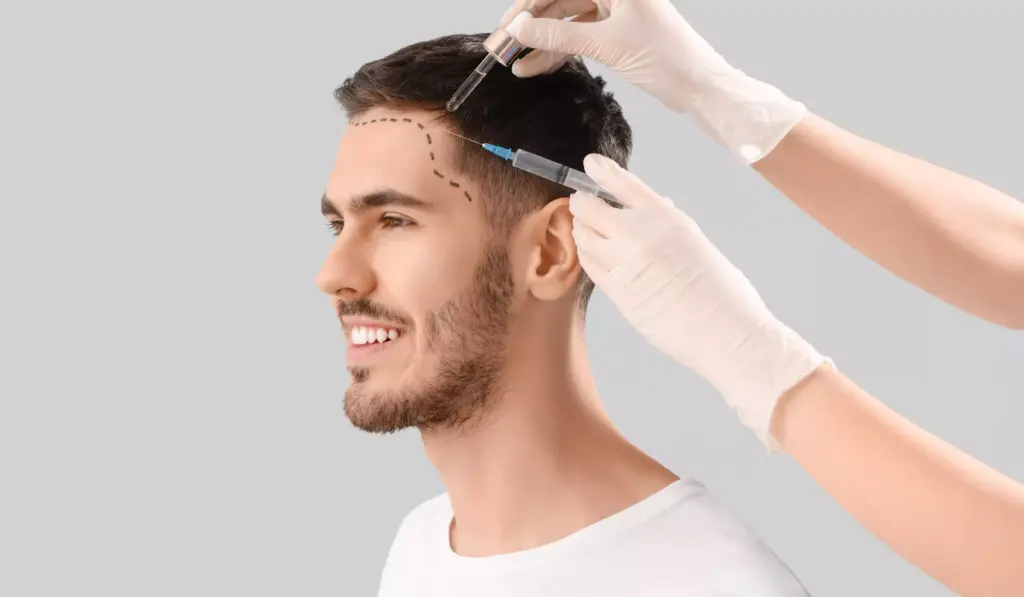
For a vast majority of active professionals, public figures, and female patients experiencing progressive hair loss, the single most significant barrier to undergoing a hair restoration procedure is social exposure. The prospect of having to shave their entire head down to the skin is often a major source of anxiety. Standard Sapphire FUE (Follicular Unit Extraction) protocols typically require a complete buzz cut, which instantly alerts colleagues and social circles to the surgical intervention during the early post-op weeks.
To eliminate this cosmetic obstacle and provide complete discretion, modern hair restoration has introduced the unshaven hair transplant (Non-Shaven FUE or DHI). This advanced microsurgical technique allows physicians to extract and implant healthy hair grafts without requiring the patient to shave their recipient zone, donor area or both. This comprehensive clinical guide details how the procedure works, examines the unshaven hair transplant timeline, breaks down international costs, and reviews why Turkey is the global capital for discrete hair transplants.
Table of Contents
What Exactly Is an Unshaven Hair Transplant and How Does It Work?
To understand whether you are an ideal candidate, we must define the clinical parameters: how does an unshaven hair transplant function structurally? In the field of modern hair restoration, “unshaven” protocols are generally categorized into three distinct techniques based on the patient’s current hair length and density:
Get Free Consultation
Have any questions? Leave your details and we'll get back to you shortly.
1. Fully Unshaven Hair Transplant (U-FUE / No-Shave)
This is the most advanced and delicate method. Neither the donor area at the back of the head nor the recipient area at the front is shaved. The surgeon uses specialized, hollow-tipped micro-punches to extract hair follicles directly from between existing long hairs. These grafts are then carefully implanted into thin or balding areas, typically using DHI Choi Implanter Pens, leaving your existing long hair completely intact.
2. Partially Shaven Hair Transplant (Flap / Window Shaving)
In this method, the recipient area remains completely unshaven, but a small, narrow rectangular “window” is shaved at the back of the head within the donor zone. This shaved window is easily covered and hidden by the patient’s existing long hair hanging down over it. This allows for a higher graft count while maintaining 100% discretion.
What Is the Recovery Like? The Crucial 1 Week Unshaven Hair Transplant Phase
One of the most common questions patients ask during their consultation is what their scalp will look like immediately after the surgery. The 1 week unshaven hair transplant milestone is the most critical phase of your recovery journey:
- Days 1 to 3: Tiny micro-scabs will form at the base of the newly implanted hair shafts in the recipient zone. If you underwent a fully unshaven or partially unshaven procedure, your surrounding native long hair can be gently styled to drape over these healing areas, making the micro-scabs virtually invisible to the public eye.
- Days 4 to 7: The donor and recipient areas undergo rapid skin healing. By the end of the 1 week unshaven hair transplant window, you will visit the clinic for your first specialized wash to safely loosen and remove the scabs. Because you kept your native hair long, you can return to your workplace within 5 to 7 days with your surgical intervention remaining entirely confidential.
What Does the Unshaven Hair Transplant Cost Globally?
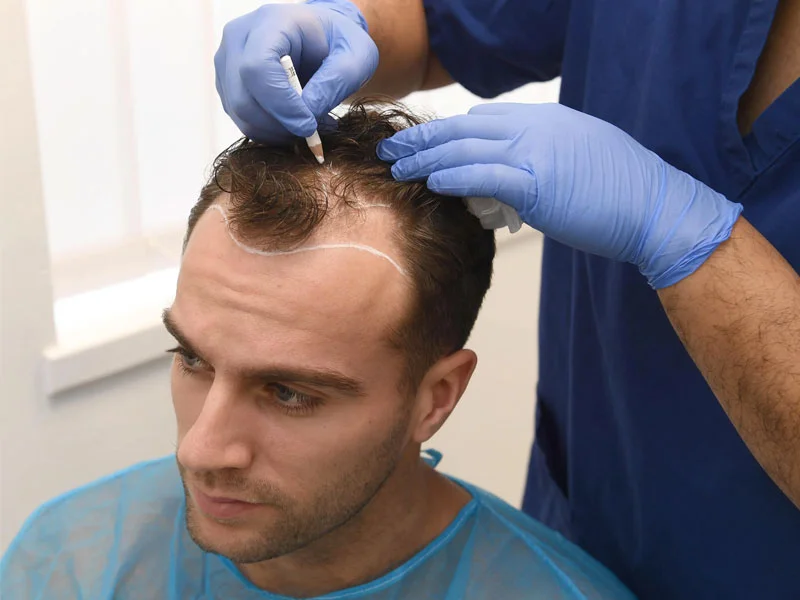
When analyzing financial parameters, the global unshaven hair transplant cost is consistently higher than traditional, fully-shaven FUE surgeries. Working between long strands of hair requires immense focus, specialized surgical magnifying loupes, and significantly more time in the operating room. A surgeon can easily perform two standard FUE surgeries in the time it takes to execute a single, high-quality unshaven DHI session.
In the United Kingdom, the United States, and Western Europe, the average unshaven hair transplant cost ranges from €6,000 to €15,000, depending on the complexity and graft count. Because many Western clinics charge per graft for this highly technical method, it remains an expensive luxury option for many.
Why Is the Unshaven Hair Transplant Turkey Framework the Top Choice?
To bypass the high costs of Western clinics without compromising on clinical quality, choosing an unshaven hair transplant Turkey package has become the leading choice for international patients. Turkish hair restoration centers perform a high volume of advanced DHI and non-shaven FUE sessions annually, giving their medical teams unmatched experience in handling long-hair grafts safely.
On average, a comprehensive unshaven hair transplant Turkey package ranges from €2,500 to €4,500. These all-inclusive international medical packages combine advanced Choi Implanter technology, master-surgeon expertise, luxury 5-star hotel accommodations, and private VIP airport transfers into a single, transparent price.
The Complete Unshaven Hair Transplant Before and After Timeline
Understanding the progressive stages of growth is essential to set realistic clinical expectations. A typical unshaven hair transplant before and after journey follows this structured timeline:
- Month 1 (The Shedding Phase): The transplanted hair shafts within the grafts will temporarily shed. This is a completely normal physiological response called “shock loss.” Your existing native hair remains untouched, maintaining your usual look.
- Months 3 to 4 (Early Sprouting): New, fine hair shafts begin to sprout from the transplanted follicles. Because the surrounding hair is already long, this early growth blends in naturally.
- Months 6 to 9 (Significant Density): The newly grown hairs increase in thickness and length. Your unshaven hair transplant before and after photos will show a dramatic increase in overall density and volume.
- Months 12 to 18 (The Ultimate Result): The transplanted hairs reach their mature thickness and length, blending seamlessly with your native hair. The final unshaven hair transplant timeline is complete, delivering a naturally dense, undetectable result.
Comprehensive Surgical Technique Comparison Matrix
| Surgical & Aesthetic Metric | Fully Unshaven Hair Transplant | Partially Shaven (Window) | Traditional Shaven FUE |
| Recipient Area Shaving | None (100% Unshaven) | None (100% Unshaven) | Shaved to the skin |
| Donor Area Shaving | None (100% Unshaven) | Small hidden window shaved | Shaved to the skin |
| Implantation Technology | DHI (Choi Implanter Pen) | DHI or Sapphire FUE | Sapphire FUE or DHI |
| Maximum Grafts per Session | 1,500 to 2,000 Grafts | 2,000 to 3,000 Grafts | 4,000+ Grafts (Mega-session) |
| Social Discretion Level | Maximal (Virtually undetectable) | High (Window hidden by hair) | Low (Shaved head visible) |
| Surgical Time Required | Long (Very high technical focus) | Moderate | Fast / Standard |
Frequently Asked Questions (FAQ)
Is everyone a suitable candidate for a fully unshaven hair transplant?
No. Fully unshaven transplants are ideal for patients requiring minor to moderate graft counts (under 2,000 grafts), such as those lowering a hairline, filling temporal recessions, or treating diffuse thinning in women. If you have advanced baldness (Norwood Scale 5, 6, or 7) requiring a mega-session of 4,000+ grafts, a traditional shaven FUE is necessary to harvest and place the follicles safely and efficiently.
Is the risk of infection higher in an unshaven transplant?
The risk of infection is slightly higher if proper post-operative hygiene is neglected. Long hair can trap dust, oils, and sweat closer to the healing micro-scabs. However, by strictly following the clinic’s specialized washing protocols, using the recommended antibacterial shampoos, and keeping the scalp clean, the risk of infection remains extremely low and identical to a standard transplant.
Will my existing native hairs be damaged during the implantation?
No. Experienced surgeons use high-magnification loupes to perform the implantation. When placing grafts between long hairs, they use DHI Choi Implanter Pens, which allow them to insert the new follicles at the precise angle and depth of your natural hair without harming or cutting the surrounding native hair roots.
How long does it take for the shaved donor window to grow back?
If you undergo a partially shaven (window) procedure, the small shaved rectangle at the back of your head is instantly hidden by your surrounding long hair. The shaved hair in this window will grow back at the normal human rate of approximately 1 centimeter per month. Within 3 to 4 weeks, the hair inside the window will have grown enough to blend naturally with the rest of your hair.

 |
|