Skip to content
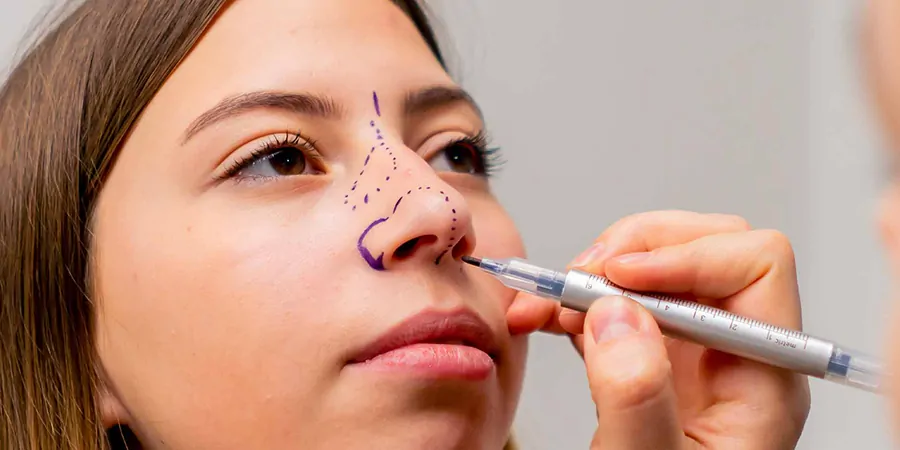
Rhinoplasty is among the most intricate procedures in aesthetic plastic surgery. Traditionally, modifying the nasal bones required mechanical instruments such as surgical hammers, chisels (osteotomes), and rasps. While effective in experienced hands, traditional instruments can produce unpredictable micro-fractures in bone and cause collateral trauma to surrounding soft tissues, blood vessels, and cartilage.
The introduction of ultrasonic piezo rhinoplasty has transformed modern nose reshaping. By using high-frequency ultrasonic sound vibrations, this specialized technology cuts and reshapes dense bone with millimeter precision while leaving delicate soft tissues completely unharmed.
Understanding how ultrasonic technology works helps prospective patients make informed decisions about their surgery. Patients frequently research what is piezo rhinoplasty, examine the details of the piezo rhinoplasty procedure, look into piezo rhinoplasty Turkey medical travel options, analyze piezo rhinoplasty cost breakdowns, study piezo rhinoplasty before and after aesthetic changes, understand the piezo rhinoplasty recovery timeline, and weigh piezo rhinoplasty pros and cons. This clinical guide provides a comprehensive overview of ultrasonic rhinoplasty, compares it to traditional methods, breaks down costs, and details the recovery process.
Get Free Consultation
Have any questions? Leave your details and we'll get back to you shortly.
Table of Contents
What Is Piezo Rhinoplasty and How Does Ultrasonic Sculpting Work?
If you are wondering what is piezo rhinoplasty, it is an advanced surgical technique that utilizes piezoelectric ultrasonic vibrations to sculpt, shave, and cut nasal bones without damaging adjacent soft tissues.
The piezoelectric device operates at high ultrasonic frequencies (typically between 25 and 30 kilohertz). At this precise frequency, the device selectively cuts mineralized, rigid tissues like bone while sliding harmlessly over elastic soft tissues like mucous membranes, blood vessels, skin, and cartilage.
TISSUE SELECTIVITY OF PIEZO ULTRASONIC TECHNOLOGY:
- [Nasal Bones / Dense Calcified Tissue]: Reshaped, Sculpted, or Cut with Millimeter Precision
- [Mucous Membranes & Cartilage]: Completely Untouched (No Tears or Lacerations)
- [Micro-Blood Vessels & Nerves]: Preserved Intact (Minimal Bleeding & Bruising)
Step-by-Step Breakdown: The Piezo Rhinoplasty Procedure
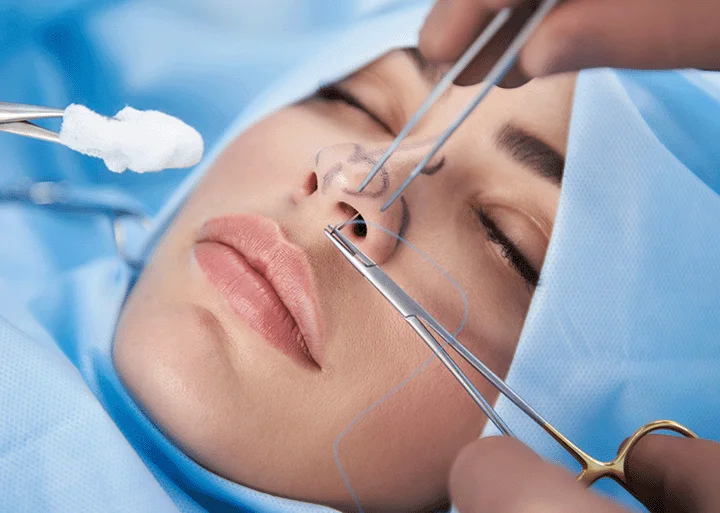
The piezo rhinoplasty procedure requires an open rhinoplasty approach to provide direct visual access to the nasal bony vault:
- General Anesthesia and Incision: The surgeon administers general anesthesia and makes a small inverted-V incision across the columella (the tissue between the nostrils) to gently elevate the nasal skin envelope.
- Direct Bony Vault Exposure: The skin and soft tissue are lifted to fully expose the nasal bones and upper lateral cartilages, ensuring complete direct visualization of the nasal anatomy.
- Ultrasonic Dorsal Hump Reduction: Instead of using a traditional chisel to strike off the nasal hump, the surgeon uses specialized piezoelectric inserts to shave down excess bone layer by layer, smoothing the nasal bridge with high precision.
- Precision Osteotomies (Narrowing the Bridge): If the nasal bridge needs narrowing or straightening, ultrasonic vibrating tips create clean, micro-precise cuts along the nasal bones without causing uncontrolled splintering.
- Cartilage Sculpting and Tip Refinement: Cartilage reshaping, suturing, and tip grafting are performed using delicate surgical instruments to refine the lower third of the nose.
- Closure and External Splinting: The skin is redraped, fine sutures close the columellar incision, and a protective thermoplastic external splint is applied over the nasal bridge.
Visualizing Results: Piezo Rhinoplasty Before and After
Reviewing piezo rhinoplasty before and after timelines helps set realistic expectations for aesthetic outcomes:
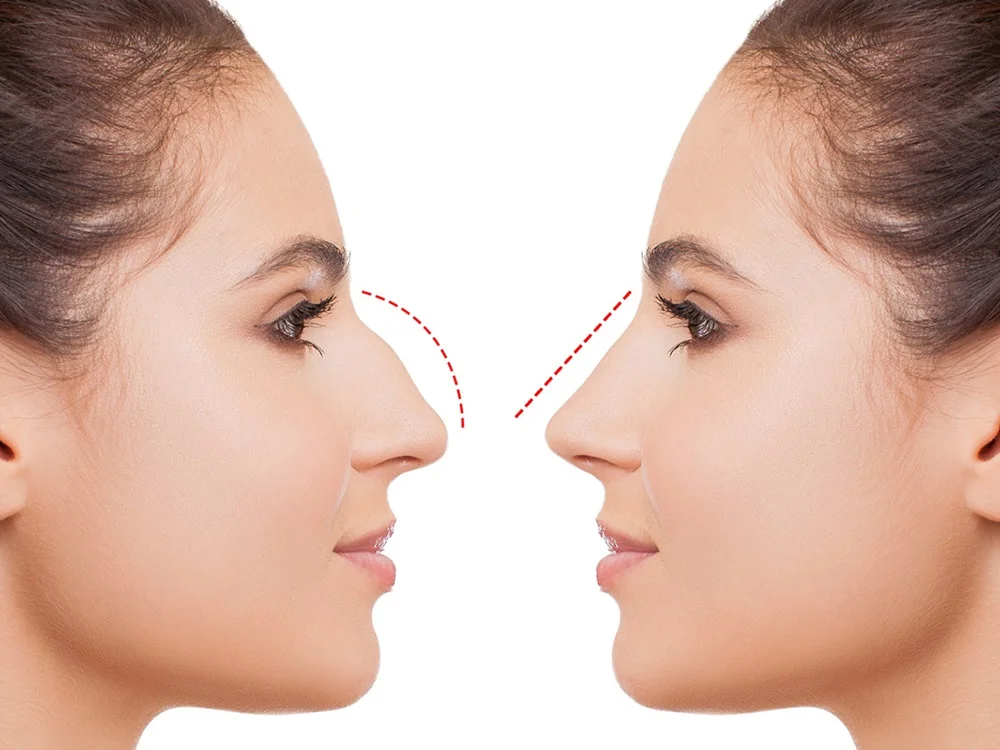
- Elimination of the Bony Hump: The nasal bridge profile is smoothed without the sharp irregularities or “step-off” deformities sometimes seen with traditional bone chiseling.
- Refined, Natural Width: Broad nasal bones are narrowed evenly, resulting in straight, symmetrical dorsal aesthetic lines from the frontal view.
- Significant Reduction in Early Bruising: Because micro-capillaries remain largely intact during ultrasonic bone work, patient photos taken on days 3 to 7 typically show substantially less periorbital bruising (black eyes) compared to traditional osteotomies.
- Sustained Structural Stability: Preserving internal periosteum and mucous membranes helps the nasal bones heal in their exact planned positions.
Recovery Milestones: Piezo Rhinoplasty Recovery Timeline
The piezo rhinoplasty recovery curve is generally smoother and less painful than traditional recovery due to minimized soft tissue trauma:
- Days 1 to 3 (Peak Swelling): Mild swelling around the eyes and upper cheeks peaks around day 3. Post-operative discomfort is manageable with prescribed oral analgesics. Nasal congestion is common due to internal tissue swelling.
- Day 7 (Splint and Suture Removal): The thermoplastic external splint, protective tapes, and columellar skin sutures are removed in the clinic. Most patients can return to work or travel home at this stage.
- Weeks 2 to 4 (Return to Daily Activities): Roughly 70 to 80 percent of visible upper-bridge swelling resolves. Patients can resume light cardiovascular exercise, desk work, and social activities.
- Months 2 to 3 (Structural Healing): The sculpted nasal bones achieve solid bony union. Contact sports and wearing heavy eyeglasses are generally cleared after week 8 to 12.
- Months 6 to 12 (Final Definition): The remaining subtle edema in the nasal tip resolves completely, revealing the final sculpted contour.
Evaluating Piezo Rhinoplasty Pros and Cons
A balanced analysis of piezo rhinoplasty pros and cons highlights why many surgeons favor ultrasonic technology, along with its practical limitations:
Advantages of Ultrasonic Rhinoplasty:
- Millimeter Precision: Surgeons sculpt and smooth bone under direct visualization rather than relying on blind chisel strikes.
- Selective Soft Tissue Protection: Protects delicate blood vessels, periosteum, and mucous membranes from accidental trauma.
- Reduced Bruising and Swelling: Patients experience significantly less periorbital bruising, speeding up the initial recovery phase.
- Lower Risk of Uncontrolled Fractures: Eliminates the danger of jagged, radiating bone fractures across the nasal vault.
- Reduced Need for Revision Surgery: Precise bony contouring minimizes secondary irregularities and asymmetry.
Limitations of Ultrasonic Rhinoplasty:
- Open Approach Requirement: Requires an open columellar incision to allow direct placement of the piezoelectric handpiece.
- Ineffective on Soft Cartilage: Ultrasonic vibrations act selectively on mineralized bone; lower lateral tip cartilages must still be reshaped using standard fine instruments.
- Specialized Training Needed: Demands specialized surgical training and familiarity with ultrasonic equipment.
- Higher Equipment Costs: Specialized ultrasonic units and disposable surgical inserts increase overall procedural costs.
Comparison: Ultrasonic Piezo vs. Traditional Rhinoplasty
| Surgical Parameter | Ultrasonic Piezo Rhinoplasty | Traditional Mechanical Rhinoplasty |
| Primary Bone Tools | Ultrasonic vibrating tips (25 to 30 kHz) | Surgical chisels (osteotomes), hammers, manual rasps |
| Soft Tissue Trauma | Minimal to zero (selective bone action) | Moderate to high (mechanical tearing of vessels) |
| Periorbital Bruising | Mild, resolves in 5 to 7 days | Moderate to severe, persists 10 to 14 days |
| Bone Cutting Precision | Millimeter accuracy, smooth margins | Higher risk of irregular micro-fractures |
| Surgical Approach | Open rhinoplasty (direct visualization) | Open or closed (endonasal) rhinoplasty |
| Cartilage Modification | Handled with standard instruments | Handled with standard instruments |
| Average Initial Recovery | 6 to 8 Days | 10 to 14 Days |
Financial Factors: Piezo Rhinoplasty Cost & Turkey Packages
Understanding the piezo rhinoplasty cost landscape helps when budgeting for surgery. The total price depends on geographic location, the surgeon’s expertise, hospital accreditation, and whether the case is primary or secondary (revision):
- United Kingdom & Western Europe: Prices for ultrasonic rhinoplasty generally range from 6,000 to 12,000 EUR (5,500 to 10,500 GBP), with revision cases costing more.
- United States: Ultrasonic procedures typically range from 8,000 to 18,000 USD, depending on the surgeon’s location and surgical complexity.
- Piezo Rhinoplasty Turkey: Turkey has become an international hub for ultrasonic nose surgery, combining board-certified rhinoplasty specialists with modern hospital infrastructure. All-inclusive packages in Turkey generally range from 2,500 to 4,500 EUR (2,800 to 5,000 USD). These packages typically cover the surgical procedure, general anesthesia, hospital stay, 4-star or 5-star hotel accommodation (6 to 7 nights), VIP airport transfers, post-op medications, and follow-up consultations.
Frequently Asked Questions (FAQ)
Is piezo rhinoplasty less painful than traditional rhinoplasty?
Yes. Because ultrasonic vibrations selectively spare soft tissue, blood vessels, and periosteum, patients experience significantly less tissue trauma and pressure. Most patients describe the recovery as mild nasal congestion rather than sharp pain, requiring only mild analgesics for 2 to 3 days.
Can piezo rhinoplasty be performed using a closed (scarless) approach?
Generally, no. The piezoelectric handpiece and tips require adequate physical space and direct visual access to sculpt the bony vault safely, making an open approach standard. The tiny inverted-V columellar incision heals into an imperceptible, faint line within a few months.
Does ultrasonic rhinoplasty fix a deviated septum or breathing problems?
Yes. Piezoelectric instruments can straighten deviated nasal bones, shave bony spurs along the nasal floor, and assist in septoplasty to improve airflow through the nasal passages while refining external aesthetics.
How soon can I fly home after having piezo rhinoplasty in Turkey?
Most international patients can safely fly home 7 to 8 days after surgery. This allows sufficient time for the surgeon to examine the nose, remove the external splint and columellar sutures, clear the nasal passages, and provide a formal “fit-to-fly” medical clearance.

 |
|