 Skip to content

After Bariatric Surgery, life does not simply return to normal. It evolves. The procedure, whether it involves a technique such as Gastric Sleeve or Gastric Bypass, marks the beginning of a long term transformation. For many individuals, After Bariatric Surgery represents a new metabolic chapter shaped by structured nutrition, mindful movement, and behavioral recalibration.
At WellDemir, we approach After Bariatric Surgery as a dynamic process rather than a single milestone. Scientific observations show that physiological adaptation continues for months and even years. Hormonal shifts, gut microbiota changes, and metabolic recalibration all influence what happens After Bariatric Surgery. Understanding these mechanisms helps individuals build sustainable habits without unrealistic expectations.
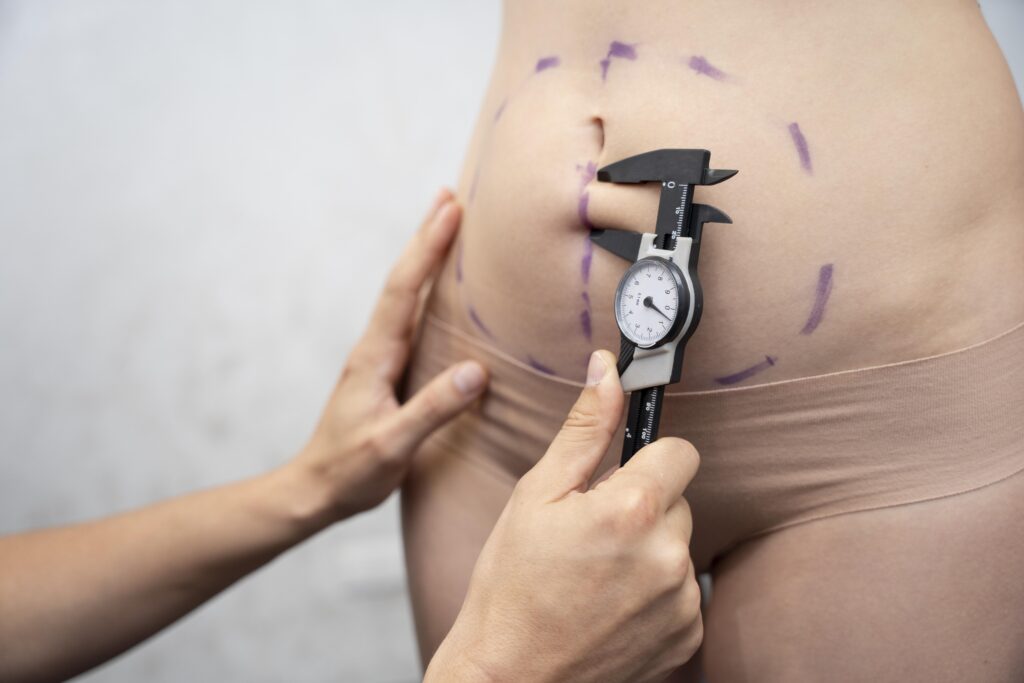
Metabolic Adaptation After Bariatric Surgery: What Changes in the Body?
One of the most discussed aspects After Bariatric Surgery is metabolic adaptation. The stomach’s reduced capacity alters satiety signaling. Hormones such as ghrelin, GLP 1, and peptide YY often shift in response to surgical restructuring. Research published in obesity (morbid obesity, BMI >40) medicine journals indicates that appetite regulation improves in many individuals during the first year After Bariatric Surgery.
Get Free Consultation
Have any questions? Leave your details and we'll get back to you shortly.
However, metabolism is not static. Basal metabolic rate may decrease alongside weight reduction. This means that long term results After Bariatric Surgery are influenced not only by the surgery itself but also by muscle preservation, nutrient intake, and physical activity. Understanding this adaptive process can help frame realistic expectations and long term planning.
Key physiological changes commonly observed:
- Reduced gastric volume
- Altered nutrient absorption depending on procedure type
- Hormonal modulation affecting hunger and fullness
- Changes in insulin sensitivity
These adaptations collectively define the biological environment After Bariatric Surgery.
Nutrition Strategies After Bariatric Surgery: Building a Sustainable Plan
Nutrition is central After Bariatric Surgery. Because portion sizes decrease significantly, nutrient density becomes critical. Studies suggest that protein prioritization supports lean mass preservation and recovery in the early stages After Bariatric Surgery.
A structured nutritional progression often follows staged phases. While individual protocols differ, many programs include:
| Phase | Focus | Typical Duration |
| Liquid Stage | Hydration and gentle digestion | 1 to 2 weeks |
| Pureed Stage | Soft protein focused meals | 2 to 4 weeks |
| Soft Foods | Gradual texture introduction | 1 month |
| Regular Balanced Diet | Long term sustainability | Ongoing |
Micronutrient monitoring also becomes relevant After Bariatric Surgery. Iron, vitamin B12, vitamin D, and calcium levels are frequently observed in clinical follow ups. The goal is not restriction but strategic nourishment.
Equally important is mindful eating behavior After Bariatric Surgery. Slow chewing, recognizing fullness cues, and avoiding high sugar liquids can influence comfort and long term stability.

Physical Activity After Bariatric Surgery: From Recovery to Strength
Movement patterns shift gradually After Bariatric Surgery. Early weeks often focus on gentle walking to support circulation and recovery. As healing progresses, structured exercise may help maintain lean mass and metabolic flexibility.
Research suggests that resistance training can play a meaningful role After Bariatric Surgery. Preserving muscle mass may contribute to metabolic stability. Aerobic activity, on the other hand, supports cardiovascular adaptation and energy balance.
A progressive framework might include:
- Weeks 1 to 4: Light walking and mobility
- Weeks 4 to 8: Low impact cardio
- After medical clearance: Strength training introduction
- Long term: Combined cardio and resistance model
The psychological impact of movement After Bariatric Surgery is equally noteworthy. Regular activity can reinforce identity shifts and increase confidence during body composition changes.
Psychological and Behavioral Reset After Bariatric Surgery
Emotional adaptation After Bariatric Surgery is often underestimated. While weight loss can influence self perception positively, rapid change may also introduce complex feelings. Research in behavioral medicine highlights the importance of structured support systems After Bariatric Surgery.
Habits built over decades do not disappear overnight. Emotional eating patterns, stress responses, and social triggers may still exist After Bariatric Surgery. Cognitive behavioral strategies, journaling, and peer communities often contribute to long term consistency.
Identity reconstruction is another theme observed After Bariatric Surgery. Individuals may experience changes in social dynamics, clothing choices, and self image. Recognizing these shifts as part of the process helps normalize the journey.
Long Term Weight Stability After Bariatric Surgery
Sustained outcomes After Bariatric Surgery depend on consistency rather than perfection. Clinical data suggest that the first 18 to 24 months represent the most dynamic weight loss phase. After that, stabilization patterns vary.
Weight regain After Bariatric Surgery is a topic often discussed in scientific literature. It does not necessarily indicate failure. Instead, it may reflect metabolic adaptation, behavioral shifts, or lifestyle variables.
Factors associated with long term stability include:
- Regular follow up appointments
- Balanced macronutrient intake
- Physical activity adherence
- Sleep quality
- Stress regulation
The narrative After Bariatric Surgery should therefore focus on sustainability rather than rapid transformation.
Gut Health and Hormonal Balance After Bariatric Surgery
Emerging research explores microbiome diversity After Bariatric Surgery. Altered digestive anatomy may influence bacterial composition in the gut. Some studies suggest that these changes contribute to improved metabolic markers After Bariatric Surgery.
Hormonal recalibration remains one of the most fascinating aspects After Bariatric Surgery. Changes in insulin sensitivity, leptin signaling, and appetite hormones can support metabolic improvements. However, long term equilibrium depends on lifestyle alignment.
This evolving field highlights that After Bariatric Surgery is not solely mechanical. It is biochemical and systemic. Understanding this broader context helps individuals interpret fluctuations without anxiety.
Social Life and Daily Routines After Bariatric Surgery
Social adaptation After Bariatric Surgery can be subtle yet impactful. Dining out, family gatherings, and travel routines may require planning. Portion awareness becomes a learned skill rather than a restriction.
Communication also plays a role After Bariatric Surgery. Explaining dietary preferences or smaller portions to friends and colleagues may initially feel unfamiliar. Over time, these adjustments become integrated into daily rhythm.
Work environments, sleep patterns, and hydration habits all intersect After Bariatric Surgery. Establishing predictable routines often supports long term comfort.
Scientific Observations and Research Trends After Bariatric Surgery
Modern bariatric research continues to expand. Longitudinal cohort studies analyze metabolic disease remission rates After Bariatric Surgery. Some reports indicate improvements in type 2 diabetes markers within months.
Other analyses examine cardiovascular indicators After Bariatric Surgery, including lipid profile shifts and blood pressure trends. While individual outcomes vary, aggregated data show measurable systemic impact.
Importantly, researchers emphasize that After Bariatric Surgery outcomes are multifactorial. Genetics, adherence patterns, psychological resilience, and environmental influences all interact. This complexity reinforces the need for individualized pathways.
Designing a Meaningful Life After Bariatric Surgery
Ultimately, After Bariatric Surgery is not defined by numbers on a scale. It represents a comprehensive recalibration of physiology, psychology, and daily behavior. At WellDemir, we frame After Bariatric Surgery as a long term partnership between scientific insight and personal responsibility.
Nutrition structure, progressive movement, emotional awareness, and consistent follow up collectively shape the experience After Bariatric Surgery. The process is neither linear nor identical for everyone. Yet with informed guidance and realistic expectations, individuals can navigate After Bariatric Surgery with clarity and resilience.
The journey continues well beyond the operating room. And understanding the science behind life After Bariatric Surgery transforms uncertainty into informed confidence.

 |
|
Really well written. The comparison of different surgical approaches helped me have a much better conversation with my doctor.
Very informative article! I’ve been considering bariatric surgery in Turkey and this helped me understand the process much better.
Thank you! We strive to provide the most comprehensive information possible. Feel free to reach out anytime for a no-obligation consultation.
Excellent article! I’ve shared this with my partner who is also researching weight loss surgery options.