Skip to content
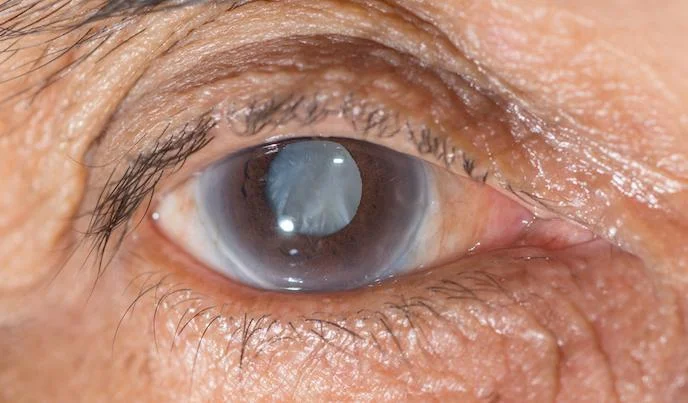
Often referred to in ophthalmology as the “silent thief of sight,” glaucoma is one of the leading causes of irreversible blindness worldwide. Because the most common variants of this condition develop gradually and painlessly, millions of individuals are entirely unaware that their optic nerve pathways are deteriorating. By the time noticeable visual changes occur, significant and permanent structural damage has already taken place.
At our clinic, prioritizing patient education and regular diagnostic screenings is central to our mission. Understanding what is glaucoma, identifying your personal risk factors, and recognizing when a subtle visual shift demands urgent evaluation are the most effective ways to safeguard your sight. This comprehensive guide details the biological mechanisms behind the disease, explains why online claims like “how i cured my glaucoma” naturally lack scientific validity, and outlines the modern clinical pathways available to stop its progression.
Table of Contents
What is Glaucoma and What Causes It?
To answer what causes glaucoma, we must look into the delicate balance of fluid dynamics inside the human eye. The front section of the eye is continuously filled with a clear, nutrient-rich fluid known as the aqueous humor. This fluid is constantly produced by specialized ciliary tissues and must drain out of the eye at an equal rate through a microscopic meshwork located at the drainage angle where the iris and cornea meet.
Get Free Consultation
Have any questions? Leave your details and we'll get back to you shortly.
When this drainage system becomes structurally inefficient, blocked, or narrowed, the fluid begins to pool inside the anterior chamber. This fluid accumulation causes a gradual rise in intraocular pressure (IOP). The elevated pressure places direct mechanical stress on the back of the eye, compressing the microscopic nerve fibers that form the optic nerve. Over time, this compression starves the nerve cells of oxygen and blood supply, causing them to wither away permanently.
The Core Classifications of Glaucoma
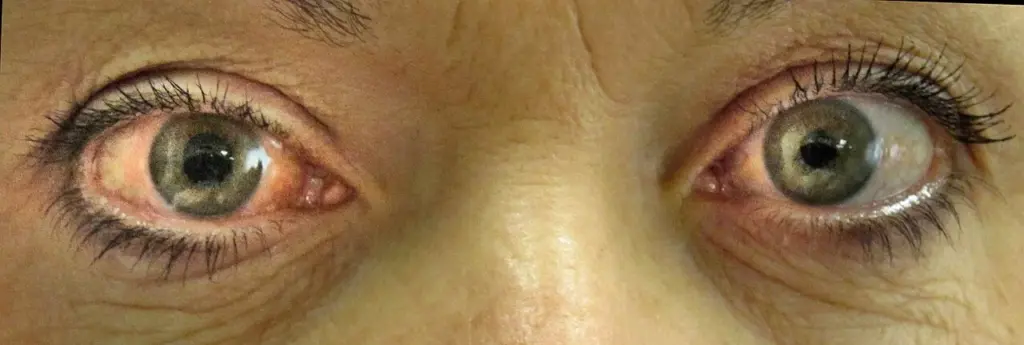
Ocular hypertension manifests differently depending on how the internal drainage structures are configured. Clinical presentations generally fall into two main categories:
1. Open-Angle Glaucoma
This is the most widespread variant of the disease. In open-angle glaucoma, the physical angle where the iris and cornea meet remains wide open, but the microscopic channels within the trabecular meshwork become slowly clogged over time. Fluid cannot exit efficiently, leading to a slow, painless, and highly insidious rise in eye pressure that damages peripheral vision first.
2. Acute Angle-Closure Glaucoma
Unlike the slow progression of open-angle variants, acute glaucoma is a severe medical emergency. This occurs when the iris physically slides forward, completely sealing off the drainage angle like a stopper in a sink drain. Fluid is instantly trapped, causing intraocular pressure to spike drastically within minutes. This rapid surge causes severe eye pain, sudden blurry vision, colored halos around lights, nausea, and rapid, irreversible vision loss if the pressure is not lowered surgically immediately.
Symptoms of Glaucoma: The Absence of Early Signs
When patients ask what is usually the first sign of glaucoma, the clinical answer is often unsettling: there is typically no early sign at all.
In the vast majority of chronic open-angle cases, the baseline glaucoma symptoms remain entirely absent during the initial stages. The disease selectively damages the peripheral (outer) edges of your visual field first. Because our brains naturally blend the images from both eyes to fill in missing gaps, individuals do not notice the slow contraction of their visual field until it advances into severe “tunnel vision.”
VISUAL FIELD PROGRESSION IN CHRONIC GLAUCOMA:
- Normal Vision → Early Peripheral Blurriness → Advanced Tunnel Vision → Complete Blindness
Conversely, the symptoms of glaucoma in an acute angle-closure attack are impossible to ignore. These urgent warning signs require immediate emergency intervention:
- Sudden, excruciating pain inside or around the eye
- Rapid, severe blurring of vision or sudden visual blackout
- Seeing rainbow-colored halos or rings surrounding bright lights
- Intense redness of the sclera (white part of the eye) accompanied by a dilated, unresponsive pupil
- Nausea and vomiting triggered by the extreme intraocular pressure spike
Glaucoma Risk Factors: Is Glaucoma Hereditary?
Understanding your individual risk profile is vital for early intervention. A frequent concern among family members is: is glaucoma hereditary?
Genetics play a profound role in your baseline susceptibility to optic nerve damage. If a first-degree relative (parent or sibling) has been diagnosed, your statistical risk of developing the condition increases up to ninefold. This strong hereditary link makes sharing your family medical history with your ophthalmic specialist a critical step during routine exams.
Beyond genetics, key glaucoma risk factors monitored by clinicians include:
- Advanced Age: Individuals over the age of 60 are at a significantly higher risk.
- High Intraocular Pressure: Consistently elevated eye pressure is the primary modifiable risk indicator.
- Ethnicity: People of African, Afro-Caribbean, or Hispanic descent have a higher prevalence of open-angle variants, while individuals of Asian descent are more prone to angle-closure types.
- Extreme Refractive Errors: Severe myopia (nearsightedness) increases open-angle risks, while severe hypermetropia (farsightedness) structurally narrows the drainage angle, increasing acute risks.
- Medical Conditions: Chronic systemic issues like diabetes, hypertension, and poor blood circulation can compromise blood flow to the optic nerve.
- Prolonged Steroid Use: Long-term use of corticosteroid eye drops or systemic medications can artificially elevate internal eye pressure.
Diagnosis: How the Glaucoma Test Works?
Because early vision loss cannot be detected through simple self-checks, an accurate diagnosis requires a comprehensive, multi-layered glaucoma test battery performed by an experienced specialist:
- Tonometry: Measures your intraocular pressure using a brief puff of air or a specialized calibrated probe that gently touches the surface of the numbed cornea.
- Ophthalmoscopy and Optical Coherence Tomography (OCT): High-resolution digital scans that map the microscopic thickness of the retinal nerve fiber layer, allowing clinicians to spot cell loss years before it manifests as blind spots.
- Perimetry (Visual Field Testing): A functional test where you click a button in response to faint light flashes, mapping your peripheral vision boundaries to detect hidden blind spots.
- Gonioscopy: A specialized lens is placed directly on the eye to visually inspect whether your drainage angle is open, closed, or narrowed.
Comprehensive Treatment Pathways: Controlling Progress
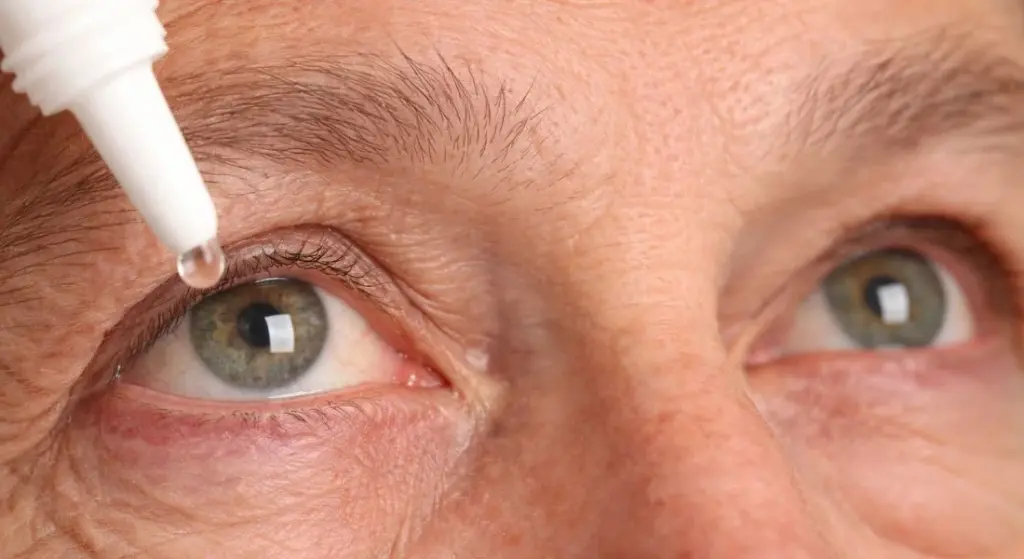
When searching for information online, patients occasionally come across anecdotal articles or videos claiming “how i cured my glaucoma naturally.”
There is no cure for congenital or acquired glaucoma, and vision lost to optic nerve damage cannot be restored. Any claims suggesting natural drops, eye exercises, or dietary changes can cure this disease are scientifically false. Refusing verified medical care in favor of natural remedies leads directly to irreversible blindness.
Modern glaucoma treatment does not seek to cure the disease, but rather to lower intraocular pressure to a safe “target pressure,” halting further nerve damage. Depending on the stage and variant of the disease, specialists deploy three primary glaucoma treatments:
1. Daily Prescription Glaucoma Eye Drops
Prescription glaucoma eye drops are the standard first line of defense. These medications work through two main pathways: either by reducing the amount of fluid produced by the ciliary tissues or by structurally opening the drainage channels to increase fluid outflow. To remain effective, these drops must be administered consistently every day without interruption.
2. Laser Procedures (SLT and LPI)
- Selective Laser Trabeculoplasty (SLT): For open-angle cases, a gentle laser targets clogged drainage tissues, stimulating a biological cleaning process that increases fluid outflow.
- Laser Peripheral Iridotomy (LPI): For acute or narrow-angle cases, a laser creates a microscopic safety valve in the iris, allowing fluid to bypass the blockage and lowering pressure instantly.
3. Surgical Interventions
When eye drops and lasers are insufficient, advanced surgical techniques are deployed:
- Trabeculectomy: The surgeon creates a microscopic drainage flap in the sclera, allowing fluid to slowly bypass the clogged natural meshwork and pool under the conjunctiva where it is safely reabsorbed.
- Glaucoma Drainage Implants: A tiny medical tube is surgically placed inside the eye to funnel excess fluid out to an external reservoir disc, maintaining perfect pressure control.
Frequently Asked Questions (FAQ)
What is glaucoma primarily caused by?
It is primarily caused by an imbalance in the fluid dynamics of the eye, where fluid cannot drain efficiently. This causes intraocular pressure to rise, mechanically compressing and destroying the fibers of the optic nerve.
Can vision lost to glaucoma be restored?
No, vision loss caused by glaucoma is completely permanent. Because optic nerve cells cannot regenerate, all modern treatments are strictly focused on lowering eye pressure to prevent further vision loss.
What is usually the first sign of glaucoma in adults?
In the most common form (open-angle), there is no early warning sign or pain. The first clinical sign is usually a subtle loss of peripheral (side) vision, which can only be detected via a professional visual field test.
Is glaucoma hereditary and should my children be tested?
Yes, it is highly hereditary. If you have the condition, your children have a much higher statistical risk and should receive comprehensive diagnostic checkups including OCT scans annually starting in early adulthood.
What happens during an acute glaucoma attack?
During an acute attack, the drainage angle closes completely, causing eye pressure to spike rapidly. This triggers severe eye pain, blurred vision, colored halos, and nausea, requiring emergency surgery to prevent permanent blindness within hours.

 |
|