Skip to content
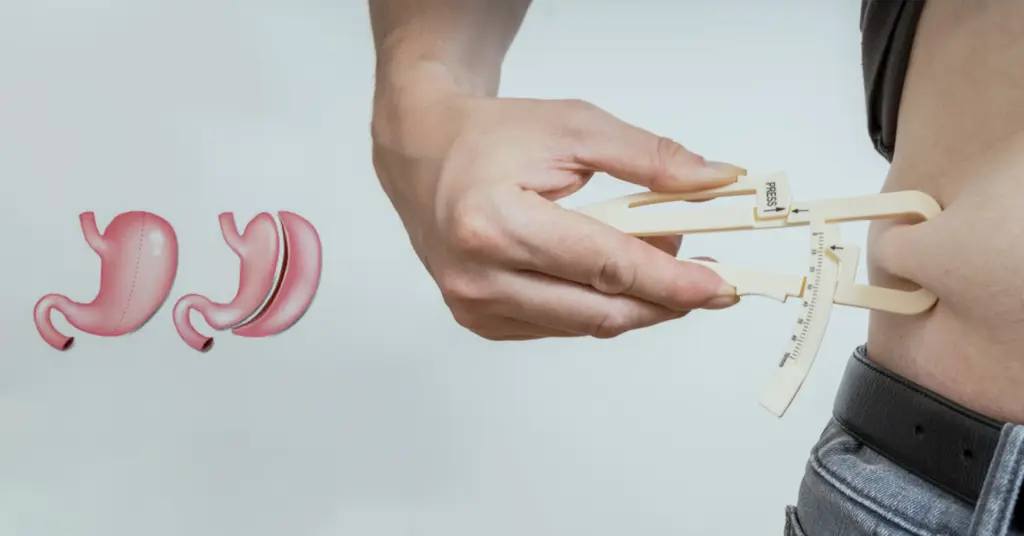
Living with chronic obesity involves navigating substantial metabolic challenges, systemic inflammation, and elevated risks for co-morbidities like Type 2 diabetes, hypertension, and obstructive sleep apnea. When traditional lifestyle modifications, strict dietary regimes, and pharmaceutical interventions yield insufficient results, modern bariatric medicine offers a definitive path forward. Weight loss surgery is not merely a cosmetic choice; it is a highly engineered, life-saving metabolic intervention that structurally alters your digestive physiology to reset your body’s set-point and restore systemic health.
At our clinic, we recognize that deciding to undergo bariatric intervention requires deep contemplation, thorough medical screening, and realistic expectations. Understanding what weight loss surgery is best for me, evaluating your individual health profile against established global criteria, and analyzing the long-term metabolic shifts are the most effective ways to guarantee a safe, permanent anatomical transformation. This comprehensive clinical guide outlines the premier surgical pathways available today, details international cost expectations, and breaks down the physiological factors governing long-term success.
Table of Contents
What Surgeries Are There for Weight Loss? Exploring the Core Procedures
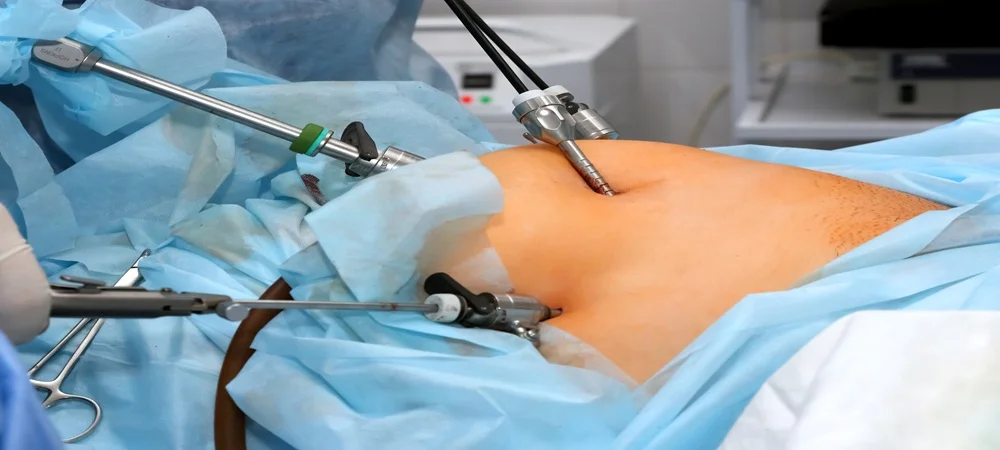
When patients begin researching their surgical options, their primary question is straightforward: What surgeries are there for weight loss? Modern bariatric science categorizes surgical treatments based on their physiological mechanism either restrictive (limiting food capacity), malabsorptive (limiting calorie and nutrient absorption), or a highly successful metabolic combination of both.
Get Free Consultation
Have any questions? Leave your details and we'll get back to you shortly.
A thorough evaluation reveals several distinct types of weight loss surgery procedures engineered to target different metabolic profiles:
1. Vertical Sleeve Gastrectomy (Gastric Sleeve)
This stands as one of the most widely performed and structurally straightforward weight loss surgery options globally. During this laparoscopic procedure, the surgeon permanently removes approximately 80% of the stomach, leaving behind a narrow, banana-shaped tube.
The mechanism is dual-action: It severely restricts the volume of food you can consume in a single sitting while simultaneously removing the fundus portion of the stomach, which produces Ghrelin the primary hormone responsible for triggering intense hunger signals in the brain.
2. Roux-en-Y Gastric Bypass
Widely considered the clinical gold standard of bariatric science, gastric bypass weight loss surgery utilizes both restrictive and malabsorptive mechanics. The surgeon divides the stomach to create a tiny pouch (roughly the size of a walnut) and connects it directly to the lower section of the small intestine.
By completely bypassing the remaining stomach and the upper portion of the small intestine, this procedure radically shifts metabolic signaling, increases satiety hormones like GLP-1, and delivers exceptional results for reversing long-term Type 2 diabetes.
3. Mini Gastric Bypass (One Anastomosis Gastric Bypass)
A simplified, highly effective version of the traditional bypass. It creates a longer stomach tube and attaches a loop of the small intestine via a single connection (anastomosis). This design delivers powerful malabsorptive weight loss results while significantly reducing operating room times and early post-operative surgical risks.
What is the Safest Form of Weight Loss Surgery?
When prioritizing safety and analyzing risk profiles, patients frequently ask: What is the safest form of weight loss surgery?
From a modern clinical perspective, the Gastric Sleeve (Sleeve Gastrectomy) is considered the safest major form of permanent weight loss surgery. Because it does not involve any cutting, bypassing, or rerouting of the intestinal tracts, it carries a significantly lower risk of long-term nutritional deficiencies, dumping syndrome, or internal hernias compared to bypass variants.
Furthermore, the operation is performed entirely using minimally invasive laparoscopic techniques through micro-incisions, yielding an exceptionally low early complication rate that is statistically comparable to routine gallbladder removals.
Clinical Eligibility: What Are the Criteria for Weight Loss Surgery?
Bariatric intervention is a highly regulated medical pathway that is strictly reserved for individuals who meet specific health baselines. The established criteria for weight loss surgery are derived from global consensus guidelines established by the National Institutes of Health (NIH) and IFSO:
- Body Mass Index (BMI) Thresholds: Individuals must possess a BMI of 40 kg/m2 or higher, or a BMI between 35 kg/m2 and 39.9 kg/m2 accompanied by at least one severe weight-related medical condition, such as Type 2 diabetes, severe sleep apnea, or life-threatening hypertension.
- Documentation of Prior Attempts: Evidence showing that structured, medically supervised lifestyle modifications and weight loss programs have failed over a sustained period.
- Psychological and Medical Clearance: A thorough pre-operative psychiatric and physical evaluation to confirm the patient is stable, understands the lifelong dietary adjustments, and is free from active substance abuse issues.
How Old Do You Have to Be to Get Weight Loss Surgery?
A vital legal and developmental indicator is understanding how old do you have to be to get weight loss surgery. Standard global guidelines mandate that candidates must be at least 18 years of age to undergo elective adult bariatric procedures independently.
While adolescent bariatric surgery can be performed under exceptional circumstances between ages 15 and 17, it requires a specialized pediatric multi-disciplinary board to verify that the patient has reached skeletal maturity and completed sexual development before modifying their metabolic anatomy.
The Post-Operative Journey and Long-Term Success Rates
Achieving your health goals requires a deep commitment to post-operative recovery timelines and lifetime nutritional adjustments.
THE BARIATRIC POST-OP NUTRITIONAL STAGES:
- Week 1-2: Clear liquids only (Water, clear broths, protein isolates) to protect staples.
- Week 3-4: Pureed foods phase (Blended proteins, smooth textures; no solid chunks).
- Week 5-6: Soft foods phase (Flaky fish, soft-boiled eggs, cooked vegetables).
- Month 2+: Permanent solid protein-focused diet (High protein, low sugar, low simple carbs).
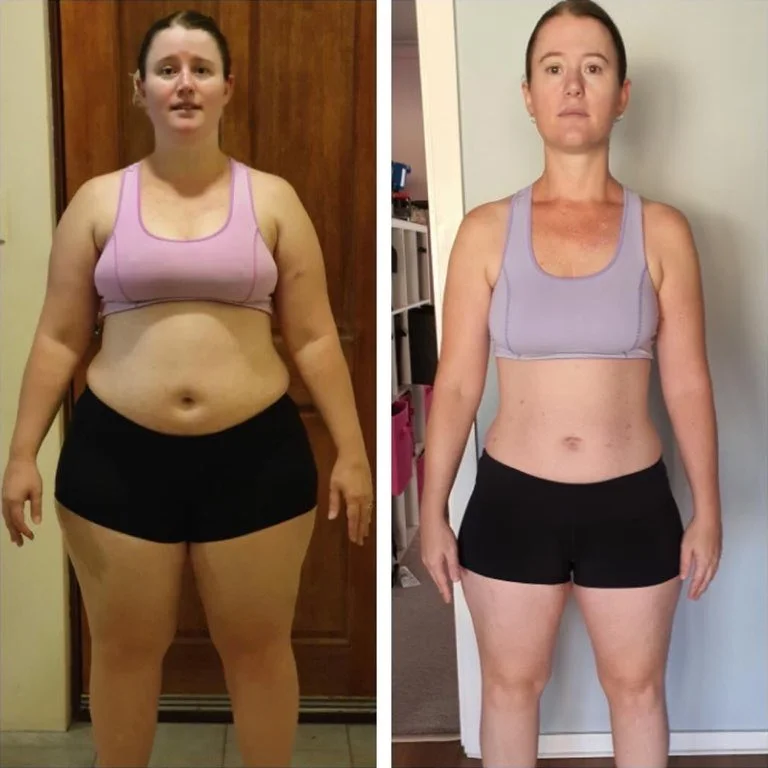
When evaluating the long-term effectiveness of these interventions, clinical data regarding the long-term success rate of weight loss surgery is exceptionally positive compared to non-surgical methods. Statistical tracking over a 10-year horizon shows that patients maintain an average loss of 50% to 65% of their excess body weight permanently.
True long-term success is defined as keeping this weight off past the five-year mark, which is highly achievable when patients pair their altered anatomy with a permanent focus on high-protein nutrition, regular strength training to maintain lean muscle mass, and routine bariatric vitamin supplement intake.
Weight Loss Surgery Cost and the Turkey Choice
Planning your treatment requires an objective evaluation of global medical systems and financial parameters. The baseline weight loss surgery cost varies drastically across global healthcare landscapes. In the United Kingdom, United States, and Western Europe, private bariatric operations can range from £9,000 to £18,000, and public healthcare systems often involve extensive waiting lists spanning several years.
This financial and logistical barrier is why seeking weight loss surgery turkey has become a leading choice for thousands of international patients annually. But what factors govern the weight loss surgery cost turkey advantages?
Because of lower local operational overheads, favorable currency exchange rates, and highly efficient health tourism packages, top-tier bariatric centers in Turkey can provide identical FDA-approved stapling technologies, world-class bariatric specialists, and fully accredited hospital environments at a fraction of Western costs. Comprehensive packages in Turkey typically save patients up to 65% of total costs while seamlessly including luxury hotel accommodation, private VIP transfers, and a full year of post-operative nutritional guidance.
Comparative Matrix of Bariatric Procedures
| Clinical Feature / Specification | Vertical Sleeve Gastrectomy (Sleeve) | Roux-en-Y Gastric Bypass | Mini Gastric Bypass (OAGB) |
| Primary Anatomical Mechanism | Restrictive (Stomach volume reduced by 80%) | Combined Restrictive & Malabsorptive | Combined Restrictive & Malabsorptive |
| Average Surgical Duration | 45 to 60 Minutes | 90 Minutes to 2.5 Hours | 60 to 90 Minutes |
| Intestinal Rerouting Involved | No | Yes (Double connection) | Yes (Single loop connection) |
| Impact on Severe GERD / Reflux | May worsen or trigger acid reflux | Cures chronic acid reflux permanently | Highly effective for weight loss only |
| Expected 1-Year Excess Weight Loss | 60% to 65% Excess Weight Loss | 65% to 75% Excess Weight Loss | 70% to 80% Excess Weight Loss |
| Dumping Syndrome Risk Level | Low | High (Due to sugar intake) | Moderate |
FREQUENTLY ASKED QUESTIONS (FAQ)
What weight loss surgery is best for me personally?
The best procedure depends entirely on your current BMI, your medical history (such as whether you suffer from severe chronic acid reflux), and your eating habits. A specialized bariatric surgeon will analyze your metabolic profile to determine whether a Gastric Sleeve or a Bypass variant is safest for your body.
What is the safest form of weight loss surgery with low complications?
The Vertical Sleeve Gastrectomy (Gastric Sleeve) is statistically the safest major bariatric operation. Because it keeps your intestinal pathways fully intact and does not reroute your digestive system, it minimizes long-term malabsorption risks.
Why is the weight loss surgery cost in Turkey more affordable?
The affordability is driven by lower local operational costs, favorable currency exchange rates, and a highly competitive, integrated medical tourism infrastructure supported by the government, which allows clinics to offer premium care packages at lower costs.
Do I need to take vitamin supplements for the rest of my life after surgery?
Yes. Because your food capacity is significantly reduced and because bypass procedures alter nutrient absorption taking specialized daily bariatric vitamins and minerals is mandatory to prevent long-term deficiencies.

 |
|