Skip to content
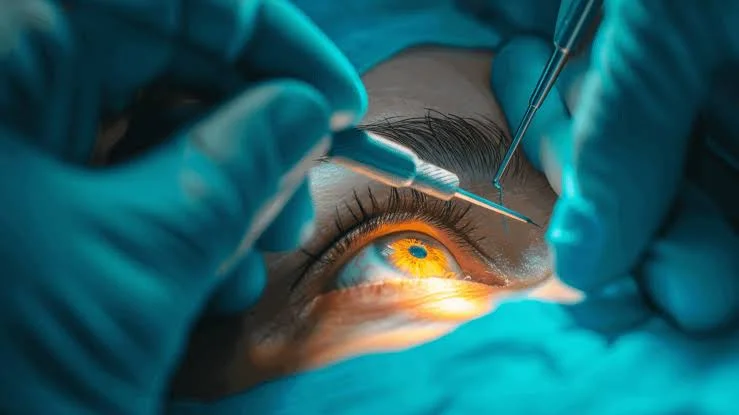
As the natural crystalline lens of the human eye ages, its cellular proteins gradually clump together, causing the clear lens to become cloudy, opaque, and rigid. This progressive physiological decline is clinically diagnosed as a cataract. It systematically obscures visual acuity, dims vibrant color contrast, and creates severe headlight glares during night driving. When standard prescription eyeglasses can no longer correct this opacity, modern ophthalmology offers a definitive, highly advanced solution. Cataract surgery is a micro-surgical milestone designed to permanently extract the cloudy lens and replace it with a clear, biocompatible artificial intraocular lens (IOL), restoring high-definition sight.
For many patients, navigating the recovery phase and choosing the correct lens technology can feel overwhelming. Knowing what to expect after cataract surgery, evaluating advanced techniques, and strictly following clinical safety boundaries are the most effective ways to guarantee a safe, rapid visual restoration. This comprehensive clinical guide breaks down the premier surgical modalities, analyzes international private pricing, details vital post-operative restrictions, and answers your most urgent recovery questions.
Table of Contents
What Are the Main Types of Cataract Surgery?
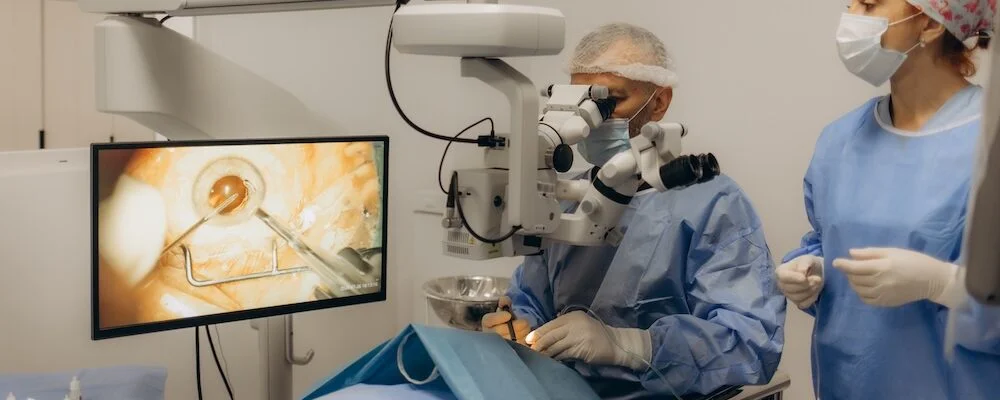
Modern ophthalmic science does not rely on a singular surgical approach. Instead, the technique is tailored to the density of the cataract, the structural integrity of the cornea, and the patient’s lifestyle goals.
Get Free Consultation
Have any questions? Leave your details and we'll get back to you shortly.
An evaluation reveals several distinct types of cataract surgery engineered to deliver maximum precision:
1. Phacoemulsification (Standard Laser-Assisted Micro-Surgery)
This is the most widely utilized, high-precision method globally. The surgeon creates a microscopic incision (typically under 2.5 mm) at the margin of the cornea. High-frequency ultrasound energy (phacoemulsification) is then applied to gently fragment the cloudy lens into microscopic pieces, which are immediately vacuumed out. The clear outer lens capsule is left perfectly intact to house the new artificial lens.
2. Femtosecond Laser-Assisted Cataract Surgery (FLACS)
An advanced, highly technological variation where a computer-guided femtosecond laser executes the corneal incisions, performs the anterior capsulotomy, and pre-fragments the cataract. This minimizes the total amount of ultrasound energy inside the eye, protecting fragile corneal endothelial cells and speeding up early healing.
3. Extracapsular Cataract Extraction (ECCE)
Reserved strictly for exceptionally advanced, rock-hard cataracts that cannot be safely broken down by ultrasound. This approach requires a larger incision to remove the cloudy lens core in one single piece, requiring traditional physical sutures to close the cornea.
What Is Dropless Cataract Surgery?
A significant complication for many patients during recovery is strictly managing a complex, multi-week schedule of anti-inflammatory and antibiotic eye drops. To eliminate this burden, modern ophthalmic clinics offer an advanced protocol: what is dropless cataract surgery exactly?
During this procedure, the surgeon injects a specialized, time-released compounded formulation of antibiotics and steroids (such as triamcinolone and moxifloxacin) directly into the posterior chamber of the eye at the very end of the operation. The eye gradually absorbs this intraocular medication over several weeks, completely eliminating the need for patients to buy, administer, or remember daily post-operative eye drops.
Planning Your Treatment: The Timeline Between Both Eyes
When cataracts affect both eyes, surgeons rarely operate on both sides during a single appointment to ensure optimal clinical safety. If you are wondering how long between cataract surgery on each eye is required, the standard medical consensus recommends a buffer window of 1 to 2 weeks.
This deliberate break allows the first eye’s intraocular pressure to completely stabilize and guarantees that the initial visual acuity has recovered safely before modifying the anatomy of the second eye.
Post-Operative Care: Navigating Cataract Surgery Recovery Safely
Achieving your visual goals requires an objective, disciplined approach to your immediate cataract surgery recovery timeline. While the micro-incisions heal without stitches, the eye remains structurally sensitive during the first 14 days.
THE CRITICAL 14-DAY RECOVERY ROADMAP:
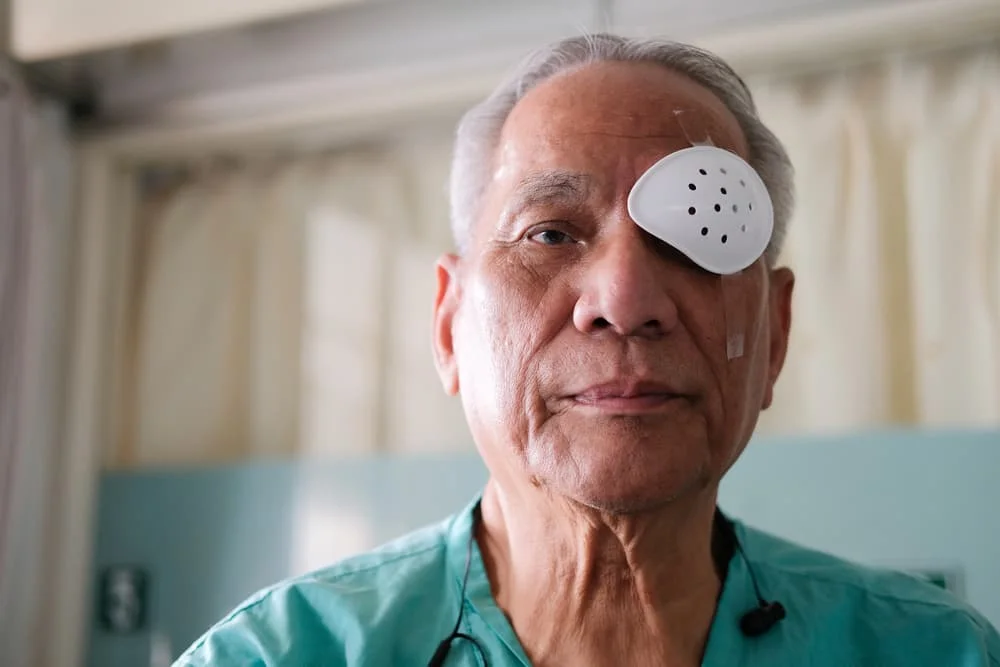
- Day 1-2: Wear the protective plastic shield at all times; expect mild grittiness and blurriness.
- Day 3-7: Visual sharpness begins to stabilize; strictly avoid water splashing or rubbing the eye.
- Week 2: Gradual resumption of light activities; continue protective drops if not using the dropless method.
- Month 1: Complete tissue stabilization; final checkup for reading glasses prescription if needed.
How Long After Cataract Surgery Can You Bend Over?
A vital mechanical restriction that patients must memorize relates to physical posture: How long after cataract surgery can you bend over? Ophthalmologists mandate that you must completely avoid bending over from the waist for at least 7 to 10 days post-op.
Bending below the waist, lifting objects heavier than 5 kilograms, or performing strenuous exercises forces a sudden rush of blood to the head. This dramatically spikes intraocular pressure (IOL pressure), which can open the unhealed micro-incision and displace the newly positioned artificial lens.
Food Not to Eat After Cataract Surgery
Systemic healing is deeply connected to metabolic health. Knowing the specific food not to eat after cataract surgery helps prevent systemic inflammation and high blood sugar levels, which can slow down corneal cellular repair. Patients should strictly avoid:
- High-Sodium Processed Foods: Excess sodium triggers fluid retention, which can alter intraocular pressure fluid dynamics.
- Refined Sugars and Simple Carbohydrates: Candies, sodas, white bread, and pastries trigger sudden insulin spikes, impairing the body’s natural micro-vascular healing capacity.
- Deep-Fried and Trans-Fat Rich Foods: Fast foods trigger inflammatory pathways that can slow down early tissue recovery.
Private Cataract Surgery Cost
The baseline cataract surgery cost depends heavily on whether you select a standard monofocal intraocular lens (which restores sharp distance vision but requires reading glasses) or premium trifocal lenses (which eliminate glasses entirely by correcting near, intermediate, and far vision).
When reviewing global financial choices, opting for private cataract surgery in the UK or Western Europe can range from £2,500 to £4,500 per eye under private care.
Because of lower operational overhead costs and highly integrated healthcare infrastructures, top-tier international eye centers can provide the exact same FDA-approved premium lens brands (such as Alcon or Zeiss) and world-class ophthalmic surgeons at a fraction of Western prices. These premium international packages seamlessly combine surgery for both eyes, luxury accommodation, private VIP transfers, and comprehensive post-operative checkups into a single, highly accessible financial solution.
Comprehensive Procedure Breakdown
| Ophthalmic Metric | Phacoemulsification (Standard) | Femtosecond Laser-Assisted (FLACS) | Extracapsular (ECCE) |
| Primary Incision Tool | High-precision diamond blade | Computer-guided laser beam | Manual surgical scalpel |
| Ultrasound Energy Used | Moderate | Minimal (Pre-fragmented by laser) | None (Lens removed whole) |
| Corneal Sutures (Stitches) | No (Self-sealing micro-incision) | No (Self-sealing micro-incision) | Yes (Requires physical sutures) |
| Average Active Duration | 10 to 15 Minutes | 15 to 20 Minutes | 30 to 45 Minutes |
| Risk of Post-Op Astigmatism | Extremely Low | Minimal (Perfect circular capsulotomy) | Moderate (Due to stitches) |
| Initial Visual Recovery | 24 to 48 Hours | 12 to 24 Hours | 3 to 6 Weeks |
Frequently Asked Questions (FAQ)
Can I drive 2 days after cataract surgery?
No, driving 2 days post-op is generally not recommended. Your legal driving vision, depth perception, and light sensitivity must first be formally evaluated by your ophthalmologist at your 1-week follow-up appointment to confirm your eye can adapt safely to rapid motion.
Can I watch TV after cataract surgery?
Yes, you can safely watch television, read, or look at your smartphone immediately after the procedure. However, because your eyes are actively healing, you should take frequent breaks to prevent digital eye strain and dry eye symptoms.
What is the advantage of private cataract surgery packages over public waiting lists?
Private cataract surgery packages eliminate extensive wait times, allowing immediate visual restoration. Furthermore, they offer access to advanced premium trifocal lenses and laser-assisted methods (FLACS) that are often restricted or unavailable in standard public healthcare frameworks.
Why does bending over present risks after the operation?
Bending over from the waist creates an immediate rush of blood pressure to the ocular structures, severely spiking intraocular pressure. This sudden force can rupture the self-sealing micro-incision or physically shift the artificial lens implant out of its designated alignment.

 |
|