Skip to content
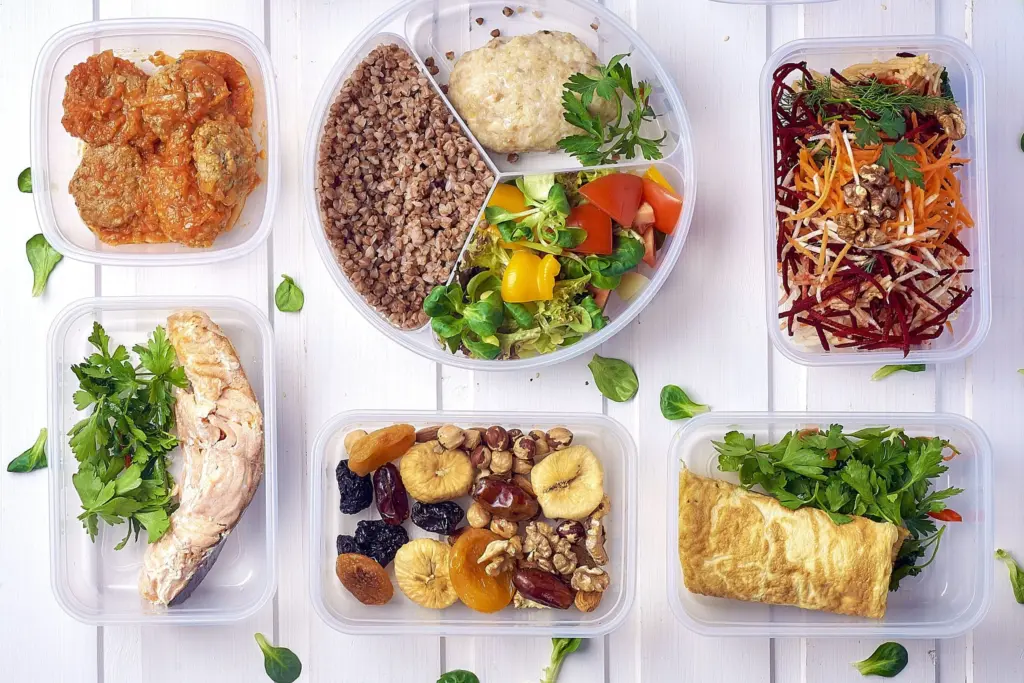
Undergoing a vertical sleeve gastrectomy (VSG) is a powerful, life-saving surgical intervention that structurally resets your metabolic baseline, drastically reduces obesity-related comorbidities, and physically alters your digestive anatomy. By removing roughly 80% of the stomach structure, the operation leaves a narrow, banana-shaped gastric pouch. While this structural restriction limits the volume of food you can consume, achieving permanent weight loss and preventing nutritional deficits depends entirely on your lifelong dietary choices.
Navigating your diet after gastric sleeve surgery requires an absolute psychological and behavioral shift. Your newly modified digestive pouch cannot handle immediate solid textures, requiring a highly structured, multi-phase texture progression over the first two months. This comprehensive medical guide breaks down the fluid-to-solid timeline, analyzes critical micro-nutrient rules, details the important adjustments required during week 3, and provides a clear framework for a long term diet after gastric sleeve surgery.
Table of Contents
How Long Is the Liquid Diet After Gastric Sleeve?
To protect the newly installed surgical staple line along your stomach pouch, you must strictly follow a progressive texture protocol. When patients ask how long is liquid diet after gastric sleeve phases, the answer is divided into clear clinical timelines:
Get Free Consultation
Have any questions? Leave your details and we'll get back to you shortly.
Phase 1: Clear Liquids (Days 1 to 7)
Immediately following surgery, your stomach tissue is highly swollen and inflamed. The primary goal is maintaining optimal hydration without stressing the surgical site. The liquid diet after gastric sleeve starts with clear, sugar-free fluids taken in tiny, continuous sips (30 mL per hour). Allowed items include water, clear vegetable broths, decaffeinated tea, and apple juice diluted with water.
Phase 2: Full Liquids and Pureed Foods (Days 8 to 14)
Once the clear liquid phase is successfully completed, you can introduce smooth, lump-free fluids that deliver essential protein building blocks. This includes skim milk, unflavored Greek yogurt blends, and thin protein isolates mixed with water. The texture must match a thin, pourable consistency.
Structural Shifts: The Critical Week 3 Diet After Gastric Sleeve
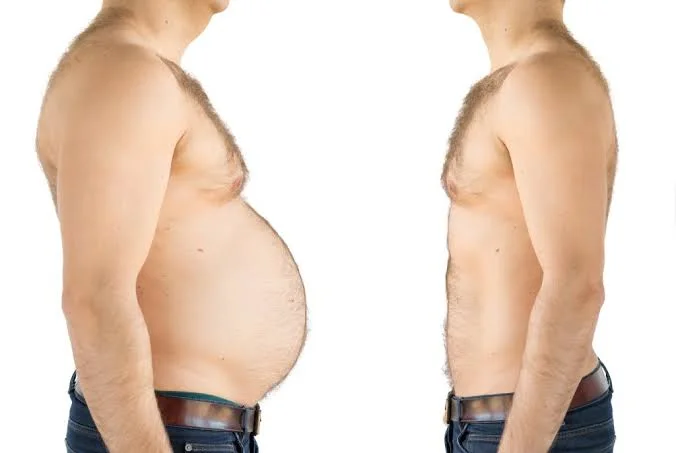
Reaching the third post-operative milestone marks a significant change in tissue tolerance. The week 3 diet after gastric sleeve focuses entirely on the transition to soft, pureed proteins.
During this week, your stomach pouch can safely handle soft, fork-tender foods, but they must be chewed thoroughly until they reach a baby-food consistency. This is the stage where many patients accidentally trigger nausea or vomiting by eating too quickly. Meals must be small, focused, and limited to a maximum volume of 2 to 3 tablespoons per sitting.
The Soft Food to Solid Food Diet After Gastric Sleeve Transition
Phase 3: Soft Foods (Weeks 3 to 4)
The soft food diet after gastric sleeve introduces denser, moist proteins that do not require aggressive mechanical grinding by the stomach wall. Excellent choices include soft scrambled eggs, cottage cheese, finely flaked white fish, canned tuna packed in water, and well-mashed cooked vegetables.
Phase 4: Solid Foods (Month 2 and Beyond)
Starting around week 5, you can carefully reintroduce a standardized solid food diet after gastric sleeve. You must introduce crunchy textures, raw vegetables, and tough meats (such as chicken breast or steak) one at a time to monitor your tolerance.
Designing a Typical Diet After Gastric Sleeve: Daily Nutritional Frameworks
Once your stomach tissue has fully healed, your typical diet after gastric sleeve should be centered around nutrient density and portion control. Because your functional capacity is limited to roughly 100 mL to 150 mL per meal, skipping calorie-dense, low-nutrient “slider foods” (such as chips, crackers, and ice cream) is essential for long-term success.
THE 30-MINUTE SEPARATION RULE:
- Never drink fluids while eating solid food.
- Stop drinking liquids 30 minutes BEFORE your meal.
- Wait at least 30 minutes AFTER your meal before drinking again.
Drinking fluids during a meal flushes the food out of your pouch too quickly, causing hunger or dumping syndrome.
Your daily plates must prioritize lean macronutrients first. A balanced low carb diet after gastric sleeve should follow a strict macronutrient hierarchy: 50% lean protein, 30% fibrous vegetables, and 20% complex carbohydrates. For patients who follow alternative lifestyles, a carefully planned, protein-fortified plant based diet after gastric sleeve can be safely managed using tofu, tempeh, and pea protein isolates, provided you closely monitor your vitamin levels under medical supervision.
Comprehensive Post-Operative Dietary Phase Matrix

| Recovery Horizon | Allowed Food Textures | Daily Protein Target | Core Clinical Goal |
| Phase 1: Days 1 to 7 | Clear liquids, diluted juices, broth | Minimal (Focus on hydration) | Protecting the staple line and preventing dehydration |
| Phase 2: Days 8 to 14 | Full liquids, thin protein shakes, thin yogurt | 60 to 80 Grams | Introducing amino acids for tissue repair |
| Phase 3: Weeks 3 to 4 | Soft food diet after gastric sleeve, eggs, flaked fish | 60 to 80 Grams | Transitioning the stomach pouch to soft mechanical work |
| Phase 4: Month 2+ | Solid food diet after gastric sleeve, whole proteins | 60 to 80 Grams | Establishing a healthy, long-term weight loss routine |
| Long-Term Lifelong | Typical diet after gastric sleeve, whole foods | 80+ Grams | Maintaining metabolic health and preventing muscle loss |
Frequently Asked Questions (FAQ)
What happens if I accidentally eat solid food too early during recovery?
Eating solid or crunchy foods too early can put severe pressure on your healing stomach pouch. This mechanical stress can tear your healing tissues, leading to a serious medical complication called a staple line leak. If you accidentally eat solid food too early and experience severe abdominal pain, a rapid heart rate, or persistent fever, you must contact your bariatric team immediately.
Why do I need to take specialized vitamins for the rest of my life?
Because a large portion of your stomach is removed, your body produces significantly less intrinsic factor a protein that is absolutely essential for absorbing Vitamin B12. Additionally, eating smaller portions naturally reduces your overall micronutrient intake. Taking daily, high-potency bariatric vitamins prevents severe health issues such as chronic anemia, bone thinning, and nerve damage.
Can I drink carbonated beverages after gastric sleeve surgery?
No, you must completely avoid carbonated beverages, including sparkling water and diet sodas, for the rest of your life. The carbonation releases gas bubbles that can stretch your small gastric pouch over time. Stretching the pouch reduces the restrictive effect of the surgery, which can lead to weight regain.
How do I know when my stomach pouch is full during a meal?
Signs of fullness change significantly after surgery. You will no longer feel a heavy sensation in your lower abdomen; instead, fullness often presents as a pressure sensation high in your chest, a sudden hiccup, a runny nose, or a sudden sigh. Pay close attention to these subtle signals and stop eating the very moment you notice them.

 |
|