Skip to content
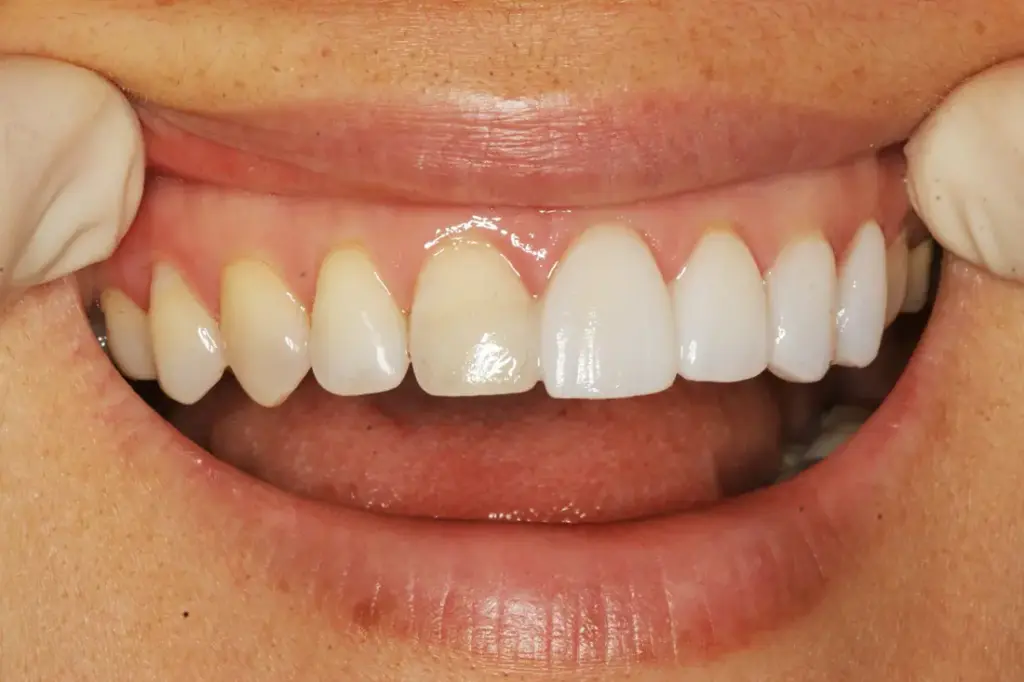
For a significant percentage of international patients seeking a transformative cosmetic smile makeover, the primary psychological barrier is not the financial investment or the clinical environment. Instead, it is the profound fear of aggressive dental preparation specifically, the permanent, irreversible drilling down of healthy natural tooth enamel required by old-school porcelain restorations. To completely eliminate this structural hesitation, modern cosmetic dentistry has introduced an advanced, non-invasive milestone.
A no prep veneers smile makeover utilizes ultra-thin, medical-grade lithium disilicate (E-Max) or feldspathic porcelain shells designed to bond directly onto the exterior surface of your teeth with zero enamel modification. This premium framework allows individuals to rewrite their smile aesthetics without compromising their raw dental health. This clinical guide details the engineering behind non-invasive veneers, explores material differences, breaks down international pricing structures, and highlights why this preservation protocol is changing cosmetic dentistry.
Table of Contents
What Are No-Prep Veneers in Modern Cosmetic Dentistry?
To evaluate whether this non-invasive approach matches your smile goals, we must first define the treatment parameters: what are no prep veneers from a structural and material perspective? Traditional porcelain veneers require the cosmetic dentist to permanently grind away roughly 0.5 mm to 0.7 mm of your healthy outer enamel to prevent the finished smile from looking bulky or unnaturally thick.
Get Free Consultation
Have any questions? Leave your details and we'll get back to you shortly.
In contrast, no prep veneers are ultra-thin shells crafted to a depth of just 0.1 mm to 0.3 mm roughly the same thickness as a standard contact lens. Because these custom shells are so thin, they can be bonded directly over your existing dental structure without any drilling, shaving, or local anesthetic injections. Your underlying natural teeth remain completely intact, unaltered, and healthy underneath the porcelain layer.
No-Prep Veneers vs Composite Bonding: Which Treatment Should You Choose?
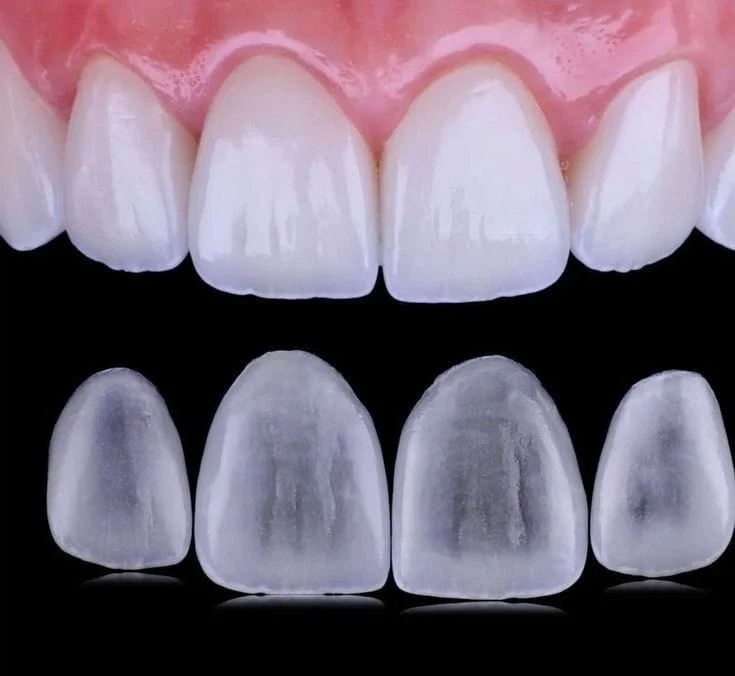
When exploring ways to correct minor chips, slight gaps, or stubborn deep staining, patients frequently evaluate the no prep veneers vs composite bonding dilemma. While both procedures avoid aggressive tooth shaving, their technical lifespans, materials, and long-term costs are vastly different:
- Material Integrity and Stain Resistance: Composite bonding uses a malleable, liquid plastic resin shaped directly onto the tooth and cured with a specialized light. While cost-effective, composite resin is porous, meaning it absorbs stains from coffee, tea, and red wine over time, and is prone to micro-chipping. No-prep restorations are fabricated from premium porcelain, which features a completely non-porous, glazed surface that is 100% stain-proof and highly resistant to mechanical wear.
- Aesthetic Quality and Translucency: Premium porcelain reflects light with the exact same depth, shimmer, and multi-layered translucency as natural human enamel. Composite bonding can sometimes appear slightly opaque or matte over time.
- Clinical Lifespan: Composite bonding typically requires polishing or replacement every 3 to 5 years. High-quality non-invasive porcelain shells easily last 10 to 15+ years if maintained with standard oral hygiene.
How Much Do No-Prep Veneers Cost Globally?
Understanding international pricing variables requires analyzing how much do no prep veneers cost across major private healthcare regions. Because fabricating ultra-thin porcelain shells requires advanced master-technician laboratory work and premium CAD/CAM software, the baseline no prep veneers cost is usually slightly higher than traditional thick veneers.
In the United Kingdom, the United States, and Northern Europe, private clinic rates range from £900 to £1,800 ($1,200 to $2,300) per individual tooth. For a full smile restoration requiring 16 to 20 units to cover the upper and lower smile zones, total treatment costs can easily scale between £15,000 and £30,000, making it an exclusive luxury option for many.
Why Is the No-Prep Veneers Turkey Package Rising in Popularity?
To bypass the high costs found in Western clinics, choosing a no prep veneers Turkey framework has become the leading international alternative. The lower operational expenses, laboratory costs, and medical facility fees in Turkey allow premium clinics to offer world-class cosmetic dentistry at a fraction of the cost.
On average, the no prep veneers Turkey price ranges from €250 to €450 per tooth. Comprehensive multi-unit packages (such as a full 20-unit Hollywood Smile makeover) average between €5,000 and €8,500. These all-inclusive international health packages combine premium E-Max materials, master-laboratory work, luxury 5-star hotel accommodations, and private VIP airport transfers into a single transparent solution.
What Happens During the No-Prep Veneers Before and After Timeline?
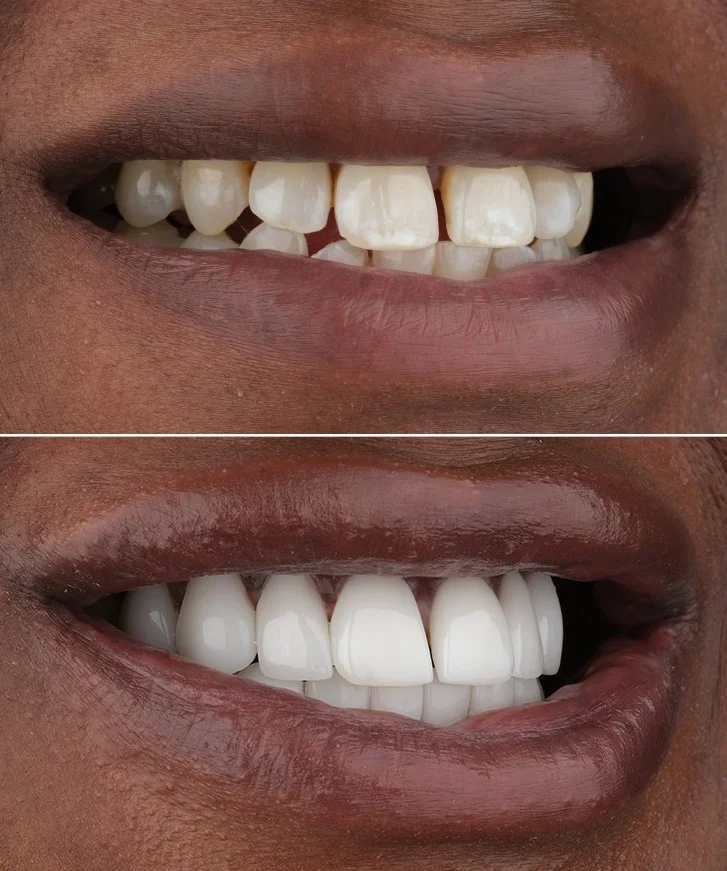
Examining a verified no prep veneers before and after timeline shows that patients experience a completely pain-free process without the need for temporary teeth or uncomfortable downtime:
1. Digital Smile Design & Impression
The cosmetic dentist takes ultra-high-definition 3D intraoral digital scans of your teeth. No uncomfortable putty impressions are needed. Together, you design the ideal tooth shape, length, and brightness shade on a screen.
2. Master Laboratory Fabrication
The digital models are sent to the lab, where a master technician uses advanced CAD/CAM milling to sculpt the ultra-thin porcelain shells with millimeter precision.
3. Direct Adhesive Bonding
Because your enamel is never shaved down, you do not need to wear bulky temporary teeth while waiting. At your second appointment, the dentist cleans your teeth and permanently fuses the porcelain shells using a specialized medical adhesive. The result is an instant cosmetic upgrade that feels entirely natural.
Comprehensive Structural Comparison Matrix
| Clinical & Aesthetic Metric | Premium No-Prep Veneers | Traditional Porcelain Veneers | Direct Composite Bonding |
| Enamel Reduction Depth | 0.0 mm (Zero Shaving) | 0.5 mm – 0.7 mm | 0.0 mm (Zero Shaving) |
| Average Thickness | 0.1 mm – 0.3 mm | 0.5 mm – 1.0 mm | Varies (Layered liquid resin) |
| Stain Resistance Level | 100% Stain-Proof (Non-porous) | 100% Stain-Proof (Non-porous) | Vulnerable to staining over time |
| Average Lifespan | 10 to 15+ Years | 15+ Years | 3 to 5 Years |
| Reversibility of Treatment | 100% Reversible | Permanent (Irreversible) | 100% Reversible |
| Local Anesthesia Required | No (Completely painless) | Yes (Required due to drilling) | No (Completely painless) |
Frequently Asked Questions (FAQ)
Is everyone a suitable candidate for no-prep veneers?
No, non-invasive veneers require a specific dental alignment to look natural. Because they add a micro-thin layer over your existing teeth, they are ideal for teeth that are slightly small, have minor gaps, or have internal staining. If you have severe crowding, crossbites, or large protruding teeth, traditional veneers or short-term orthodontics are needed to prevent the smile from looking too bulky.
Is the no-prep veneer placement process completely reversible?
Yes. Because your natural enamel is never ground down, drilled, or altered, the treatment is technically 100% reversible. If you ever decide to remove the porcelain shells in the future, a cosmetic dentist can safely de-bond the adhesive, leaving your original teeth completely intact and healthy underneath.
Can no-prep veneers chip or break when eating normal food?
No-prep veneers are made from high-strength lithium disilicate or feldspathic porcelain, which becomes incredibly durable once chemically fused to your natural enamel. You can comfortably eat normal foods without worry. However, just like natural teeth, you should avoid using them as tools to open bottles, chew on ice, or bite into raw, hard objects.
How do I maintain my no-prep veneers long-term?
Caring for them is identical to natural teeth. You should brush twice a day with a non-abrasive toothpaste, floss daily, and visit your dentist for routine cleanings twice a year. If you suffer from nocturnal bruxism (nighttime teeth grinding), wearing a custom nightguard is highly recommended to protect your porcelain from unnecessary pressure.

 |
|