Skip to content

Laparoscopic sleeve gastrectomy (gastric sleeve) is widely recognized as one of the most effective surgical solutions for achieving substantial, long-term weight loss and resolving metabolic comorbidities such as type 2 diabetes and hypertension. While the procedure alters gut hormone signaling and significantly reduces stomach capacity, reshaping the stomach into a narrow, vertical sleeve alters upper gastrointestinal pressure dynamics. For a notable percentage of post-operative patients, this anatomical change leads to gastroesophageal reflux disease (GERD).
Navigating acid reflux after gastric sleeve requires a clear understanding of your altered anatomy and how to protect the esophageal lining. Patients frequently research what causes acid reflux after gastric sleeve, how to identify primary signs of acid reflux after gastric sleeve, what clinical pathways exist for managing severe acid reflux after gastric sleeve, and actionable steps regarding how to stop acid reflux after gastric sleeve. This comprehensive medical guide breaks down the pressure dynamics behind post-op GERD, evaluates dietary strategies, details medical therapies, and outlines long-term surgical revision options.
Table of Contents
What Causes Acid Reflux After Gastric Sleeve Surgery? Anatomical Factors
To understand why reflux develops or worsens post-op, we must evaluate the altered biomechanics of the upper digestive tract: what causes acid reflux after gastric sleeve from a tissue dynamic perspective?
Get Free Consultation
Have any questions? Leave your details and we'll get back to you shortly.
During acid reflux after gastric sleeve surgery, approximately 80% of the greater curvature of the stomach is excised, leaving behind a narrow, tubular gastric sleeve. This structural alteration triggers reflux through three main mechanisms:
1. Elevated Intra-Gastric Pressure
The original stomach is a highly stretchable, reservoir-like organ capable of accommodating large meal volumes under low pressure. The newly created vertical sleeve is a narrow, rigid conduit with significantly reduced compliance. As food or digestive juices enter this constricted tube, pressure inside the sleeve spikes dramatically, forcing gastric contents upward through the lower esophageal sphincter (LES).
2. Loss of Natural Gastric Anchoring and Hiatal Hernias
During surgical dissection, the natural ligamentous attachments that hold the upper stomach in place are severed. This allows the newly formed narrow sleeve to migrate upward into the chest cavity, creating or worsening a hiatal hernia. A hiatal hernia disrupts the anatomical barrier of the diaphragm, allowing acid to flow unchecked into the esophagus.
3. Disruption of the Antral Pump and Motility
Excising the gastric fundus removes a major source of ghrelin (the hunger hormone), but it also alters gastric peristalsis. If the lower part of the stomach (the antrum) experiences delayed emptying, gastric juices pool inside the sleeve under high pressure, increasing backward flow into the esophagus.
Recognizing the Warning Signs: Symptoms of Post-Sleeve GERD
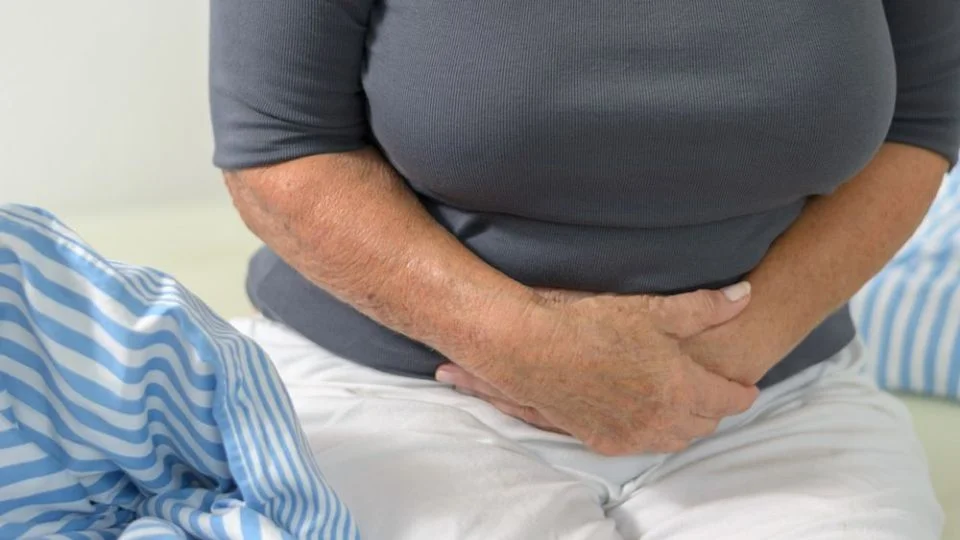
Identifying post-operative GERD early prevents chronic esophageal inflammation and Barrett’s esophagus. Patients should monitor these key signs of acid reflux after gastric sleeve:
- Classical Heartburn (Pyrosis): A burning, painful sensation behind the breastbone (sternum) that often worsens after eating or when lying flat.
- Acid Regurgitation: Unprovoked upward flow of sour, bitter fluid or partially digested food into the throat or mouth.
- Dysphagia or Odynophagia: Difficulty swallowing, feeling like food is stuck in the mid-chest, or painful swallowing due to esophageal inflammation.
- Atypical Laryngopharyngeal Symptoms: Chronic dry cough, persistent hoarseness, frequent throat clearing, asthma-like wheezing, or an unexplained sour taste upon waking in the morning.
- Epigastric Pain and Pressure: Sharp or dull aching pain localized in the upper central abdomen just below the ribs.
When these symptoms become unmanageable despite high-dose medication, the condition is classified as severe acid reflux after gastric sleeve, requiring formal endoscopic evaluation.
What Helps With Acid Reflux After Gastric Sleeve? Medical & Behavioral Strategies
Managing post-operative reflux requires a step-wise approach combining lifestyle modifications, dietary restructuring, and targeted pharmacology. Here is a breakdown of what helps with acid reflux after gastric sleeve:
POST-SLEEVE REFLUX MANAGEMENT MATRIX:
1. Behavioral/Dietary: Small bites, zero liquids with meals, stay upright for 3 hours.
2. Pharmacological: Proton Pump Inhibitors (PPIs) & Histamine-2 Receptor Antagonists.
3. Surgical Revision: Conversion to Roux-en-Y Gastric Bypass (RYGB) for refractory cases.
1. Dietary and Behavioral Restructuring
- Separate Liquids and Solids: Never drink liquids during meals or within 30 minutes before or after eating. Washing food down fills the narrow sleeve instantly and forces acid upward.
- Eliminate Trigger Foods: Avoid high-fat fried foods, citrus, tomatoes, chocolate, peppermint, carbonated beverages, caffeine, and alcohol.
- Post-Prandial Upright Positioning: Remain standing or seated upright for at least 2 to 3 hours after eating. Never lie down immediately after a meal.
- Elevate the Head of the Bed: Use a wedge pillow or elevate the head of your bed frame by 6 to 8 inches to let gravity prevent nocturnal acid reflux.
2. Pharmacological Therapy
The first line of medical defense involves daily Proton Pump Inhibitors (PPIs) such as omeprazole, esomeprazole, or pantoprazole. PPIs suppress gastric acid production, allowing the raw esophageal lining to heal. In persistent cases, H2 receptor blockers (like famotidine) or liquid alginate barriers may be added at bedtime to create a physical foam barrier atop the gastric juice.
How to Stop Acid Reflux After Gastric Sleeve? The Surgical Conversion Option
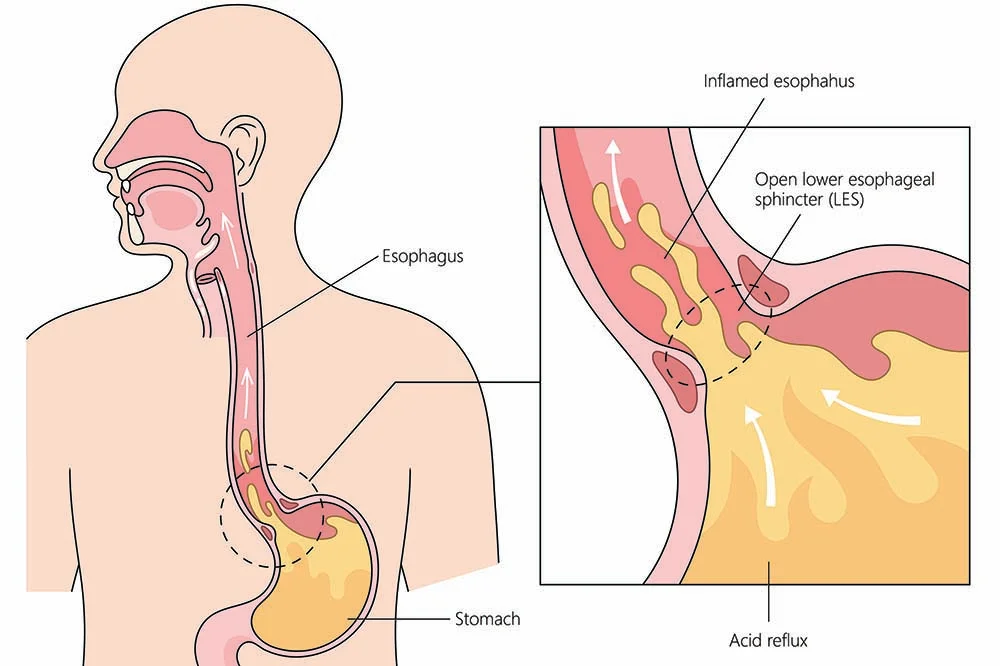
When conservative medical management and maximum-dose PPI therapy fail to resolve severe acid reflux after gastric sleeve, surgical revision becomes the definitive clinical solution.
The gold standard surgical treatment for intractable post-sleeve GERD is converting the gastric sleeve into a Roux-en-Y Gastric Bypass (RYGB). During an RYGB conversion, the surgeon creates a tiny upper stomach pouch and attaches it directly to the small intestine (jejunum), completely bypassing the duodenum and lower stomach.
This conversion lowers pressure in the upper digestive tract and diverts bile and stomach acid away from the esophagus, providing an immediate, high-success fix for severe acid reflux.
Comprehensive Clinical Management Matrix
| Clinical Parameter | Mild / Transient Reflux | Moderate Chronic Reflux | Severe / Refractory Reflux |
| Primary Symptoms | Occasional heartburn after specific meals | Daily pyrosis, morning throat clearing | Severe burning, dysphagia, regurgitation |
| First-Line Intervention | Dietary tweaks & OTC antacids | Daily prescription PPIs (20 to 40 mg) | High-dose PPIs + Endoscopic diagnostic evaluation |
| Lifestyle Changes | Avoid lying down for 2 hours post-meal | Wedge pillow, complete trigger-food removal | Strict separation of liquids/solids, head elevation |
| Diagnostic Testing | Clinical observation | Upper Endoscopy (EGD) | Endoscopy, High-Resolution Manometry, 24h pH testing |
| Definitive Treatment | Self-limiting / Managed at home | Long-term PPI maintenance | Surgical revision to Roux-en-Y Gastric Bypass |
Frequently Asked Questions (FAQ)
Is acid reflux after gastric sleeve permanent or will it go away on its own?
For many patients, mild acid reflux is temporary during the first 3 to 6 months post-op as swelling subsides and the new sleeve adapts. However, for about 15% to 20% of patients, reflux can become a chronic long-term condition due to the permanent structural pressure changes inside the narrow sleeve.
Why shouldn’t I drink water or liquids while eating after a gastric sleeve?
Drinking liquids during meals fills the narrow gastric sleeve rapidly, mixing with solid food to create a high-pressure slurry. Because the sleeve holds a very small volume, adding liquids forces gastric acid and food upward through the lower esophageal sphincter, directly triggering acid reflux.
Can severe acid reflux after gastric sleeve damage my esophagus over time?
Yes. Chronic, unmanaged exposure of the esophageal tissue to harsh gastric acid and bile can cause erosive esophagitis, esophageal strictures (narrowing), and Barrett’s esophagus, a precancerous alteration of the esophageal lining. This is why persistent reflux should always be evaluated by your bariatric surgeon.
How does converting a gastric sleeve to a Roux-en-Y gastric bypass cure acid reflux?
Converting a sleeve to a Roux-en-Y gastric bypass cures reflux by creating a low-pressure mini-pouch that produces very little acid. Additionally, the Roux limb diverts bile and digestive enzymes far downstream into the small intestine, preventing them from traveling upward into the esophagus.

 |
|