Skip to content
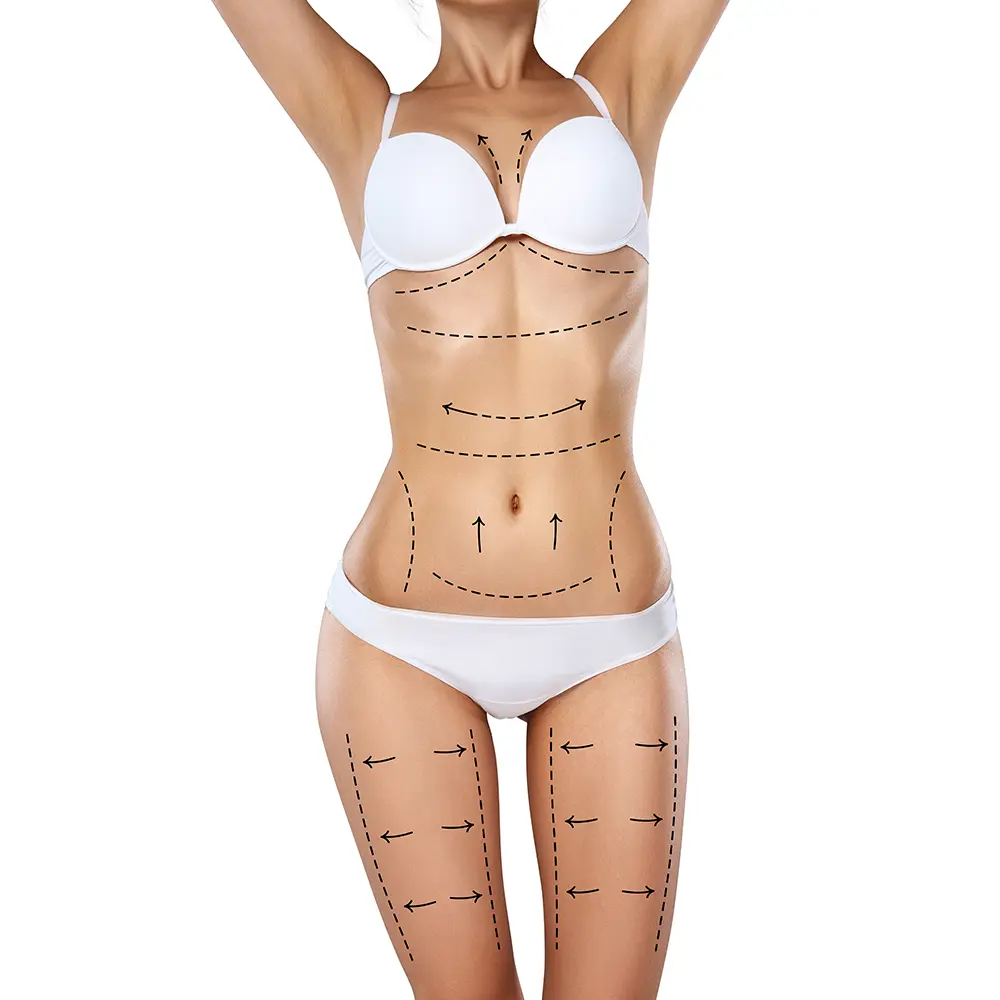
Significant weight loss achieved through bariatric surgery or dedicated lifestyle intervention is a profound personal accomplishment. However, shedding dozens of kilograms often leaves behind extensive circumferential skin laxity. When skin fibers and elastin are stretched past their physiological threshold, the skin fails to snap back over newly sculpted muscles. The result is an apron of hanging tissue around the lower abdomen, flanks, lower back, outer thighs, and buttocks. This excess skin can cause persistent intertrigo (skin fold infections), impede physical mobility, and prevent clothing from fitting comfortably.
While an isolated abdominoplasty addresses only the front of the abdomen, a comprehensive 360 lower body lift (clinically known as a belt lipectomy or circumferential body lift) treats the entire lower torso in a continuous 360-degree approach.
Table of Contents
What Is a 360 Lower Body Lift and How Does It Work?
If you are researching what is a 360 lower body lift, it is an extensive plastic surgery procedure that excises a continuous, belt-like ring of redundant skin and underlying fat from around the entire lower torso.
Get Free Consultation
Have any questions? Leave your details and we'll get back to you shortly.
Unlike an isolated tummy tuck that stops at the hip bones, this operation provides three-dimensional, circumferential rejuvenation:
- Anterior Component (Abdomen): Tightens loose abdominal skin, repositions the belly button (umbilicoplasty), and repairs separated rectus abdominis muscles (diastasis recti plication).
- Lateral Component (Flanks and Hips): Lifts sagging outer thighs, eliminates redundant hip rolls, and smooths the lateral pelvic transition.
- Posterior Component (Lower Back and Buttocks): Removes lower back rolls and lifts flattened, drooping buttocks. The plastic surgeon frequently utilizes the patient’s own discarded lower back fat as autologous local tissue flaps to augment and project the buttock contours without synthetic silicone implants.
The Dual Benefit: 360 Lower Body Lift with Tummy Tuck
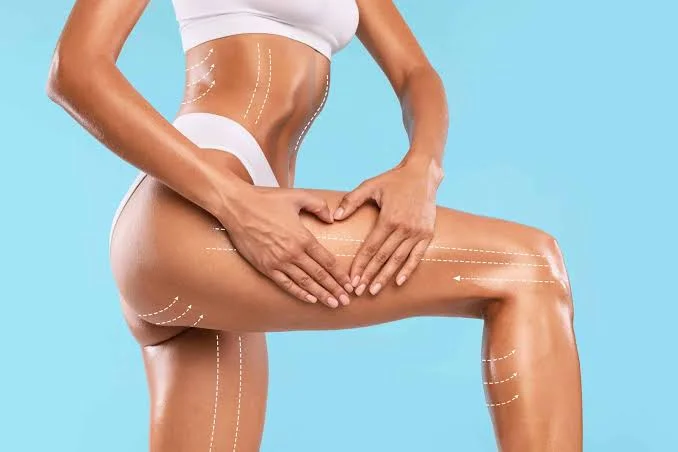
A core component of this procedure is the integration of a 360 lower body lift with tummy tuck:
- Muscle Diastasis Repair: Pregnancy and severe obesity separate the vertical rectus abdominis muscle bands along the linea alba. During the anterior phase of the lower body lift, the surgeon uses heavy permanent internal sutures to pull these muscle edges together like an internal corset. This flattens the abdomen, reinforces core stability, and reduces chronic lower back strain.
- Complete Panniculectomy: The hanging pannus (apron of abdominal skin) is completely excised, eliminating chronic moisture, friction, and fungal rashes within the skin folds.
- Seamless Incision Transition: The anterior tummy tuck incision extends smoothly across the iliac crests to meet in the midline of the lower back, ensuring the resulting scar can be concealed beneath standard underwear or swimwear.
Surgical Sequence: How the Operation Is Conducted
Because this surgery addresses the body circumferentially, it is performed under general anesthesia and requires a planned intraoperative positional change:
- Stage 1 (Prone Position): The patient is positioned face-down. The surgeon excises excess skin and fat from the lower back, mobilizes autologous gluteal flap tissue to shape the buttocks, lifts the posterior thighs, and closes the deep fascial layers under tension.
- Stage 2 (Supine Position): The patient is turned onto their back. The anterior abdominoplasty is carried out, repairing the abdominal muscles, redraping the abdominal skin downward, excising the excess tissue, and creating a natural, inset umbilicus.
- Drainage and Closure: Multiple surgical drains are placed beneath the skin to evacuate fluids, and the incisions are meticulously closed in multiple anatomical layers using dissolvable sutures and medical skin adhesives.
Aesthetic Expectations: 360 Lower Body Lift Before and After
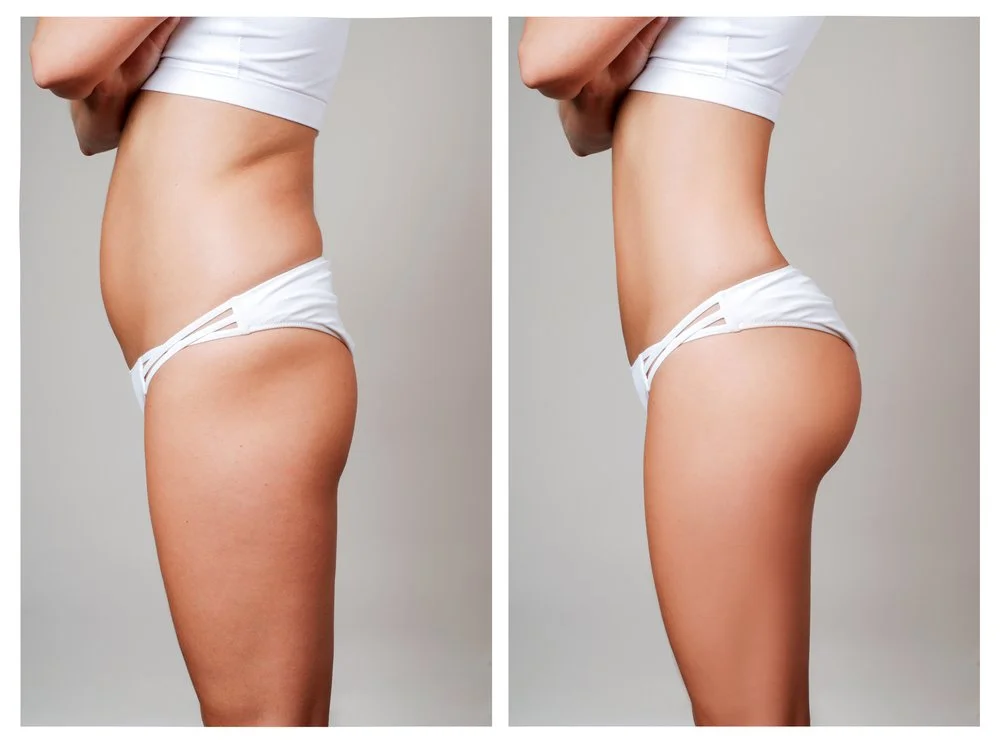
Reviewing documented 360 lower body lift before and after profiles illustrates the dramatic physical transformation:
- Total Silhouette Streamlining: The waistline narrows significantly, the flanks are smoothed, and the lower back rolls disappear.
- Restored Buttock Projection: Drooping, flattened buttocks are elevated and restored to a rounded, youthful position on the posterior pelvis.
- Taut Abdominal Wall: The bulging, protruding lower belly is replaced by a flat, firm, and contoured abdominal profile.
- Scar Maturation: While the circumferential incision spans the entire lower torso, it is positioned low on the hips. With proper silicone scar therapy, the initially pink scar matures over 12 to 18 months into a thin, pale, and easily concealable line.
Recovery Milestones and Healing Timeline
Given the extensive nature of circumferential tissue removal, recovery requires dedication to post-operative protocols:
- Days 1 to 3: The patient typically spends one to two nights in the hospital for monitoring, pain management, and early mobilization. A supportive medical compression garment is worn continuously, and the patient rests in a flexed “beach chair” position (knees and torso slightly bent) to minimize tension on the incisions.
- Weeks 1 to 2: Surgical drains remain in place until daily fluid output drops below 25 to 30 ml. Patients walk with a slight forward stoop to protect the abdominal repair. Short, frequent walks around the home prevent deep vein thrombosis (DVT).
- Weeks 3 to 4: Most patients can stand fully upright as internal tissues stretch and adjust. Desk jobs and sedentary office work can be resumed after three to four weeks.
- Weeks 6 to 8: Surgical drains and external swellings have cleared. Patients are cleared to discontinue compression garments, resume light gym workouts, and sleep in normal positions.
- Months 6 to 12: Residual lymphatic swelling resolves completely, tissue firmness softens, and the final body contours stabilize.
Procedural Comparison: 360 Lower Body Lift vs. Alternative Surgeries
| Clinical Parameter | 360 Lower Body Lift (Belt Lipectomy) | Extended Tummy Tuck | Standard Tummy Tuck (Abdominoplasty) | Panniculectomy |
| Area of Treatment | Front, flanks, hips, back, and buttocks | Front and lateral flanks only | Front of the abdomen only | Lower abdominal apron only |
| Muscle Repair (Plication) | Yes (Full abdominal muscle repair) | Yes (Full abdominal muscle repair) | Yes (Full abdominal muscle repair) | No (Pure functional skin removal) |
| Buttock and Thigh Lift | Yes (Comprehensive posterior lift) | Minimal lateral thigh lift | No effect on buttocks or thighs | No effect on buttocks or thighs |
| Incision Pattern | Continuous 360-degree belt line | Extended hip-to-hip incision | Hip-to-hip anterior incision | Transverse lower abdominal incision |
| Operating Time | 4 to 6 Hours | 3 to 4 Hours | 2 to 3 Hours | 1.5 to 2.5 Hours |
| Typical Downtime | 3 to 4 Weeks for light routine | 2 to 3 Weeks | 2 Weeks | 1 to 2 Weeks |
What Determines the 360 Lower Body Lift Cost?
When researching 360 lower body lift cost, prospective patients will discover that pricing varies considerably between clinics and countries. Rather than a flat, standardized fee, overall surgical costs depend on several specific clinical, surgical, and logistical variables:
- Surgical Complexity and Operating Time: A circumferential body lift takes four to six hours to perform, involving two operative positions. The required duration directly influences operating room fees and anesthesiology charges.
- Patient Body Mass Index (BMI) and Tissue Volume: Patients with larger surface areas or substantial excess tissue require longer dissection, extensive tissue tailoring, and specialized multi-layer closure.
- Autologous Buttock Augmentation: If the surgeon creates complex deep auto-flaps from the lower back fat to augment the buttocks, this advanced reconstructive step adds to the procedural fee.
- Surgeon Expertise and Board Certification: Highly experienced plastic and reconstructive surgeons who specialize in massive weight loss body contouring command professional fees that reflect their advanced skill and safety track record.
- Hospital Accreditation and Inpatient Care: Surgeries performed in internationally accredited hospitals with overnight nursing, blood monitoring, and intensive care availability carry different facility fees than outpatient facilities.
- All-Inclusive Medical Tourism Packages: International patient programs (such as in Turkey) frequently bundle the surgical procedure, general anesthesia, multi-night hospital inpatient stay, medical compression garments, 4- or 5-star hotel accommodation (typically 7 to 10 nights), private VIP transfers, and dedicated post-operative nursing care into an all-inclusive framework.
Frequently Asked Questions (FAQ)
Who is the ideal candidate for a 360 lower body lift?
An ideal candidate is someone who has achieved significant weight loss and maintained a stable body weight for at least six months, has a body mass index (BMI) ideally below 30 to 32, is in good overall health with no uncontrolled medical conditions, is a non-smoker, and has realistic expectations regarding surgical scars.
Will the circumferential scar be visible when wearing swimwear?
The surgical incision is placed strategically low around the hips and lower back, following the natural bikini or underwear line. While the scar spans 360 degrees around the body, it is designed to remain hidden beneath most standard-rise underwear, shorts, and two-piece swimsuits once healed.
Can liposuction be combined with a 360 lower body lift?
Yes. Plastic surgeons frequently perform limited liposuction to sculpt the upper abdomen, flanks, or thighs during a lower body lift. However, surgeons avoid aggressive liposuction in areas where large skin flaps are being lifted to protect blood circulation and ensure healthy wound healing.
How much weight is actually lost from the surgery itself?
A 360 lower body lift is a body-shaping procedure, not a weight-loss surgery. Although the removed skin and fat apron typically weighs between 4 and 10 kilograms (8 to 22 pounds), the real measure of success is the loss of dress sizes, improved posture, and a streamlined body contour rather than the number on the scale.

 |
|