Skip to content

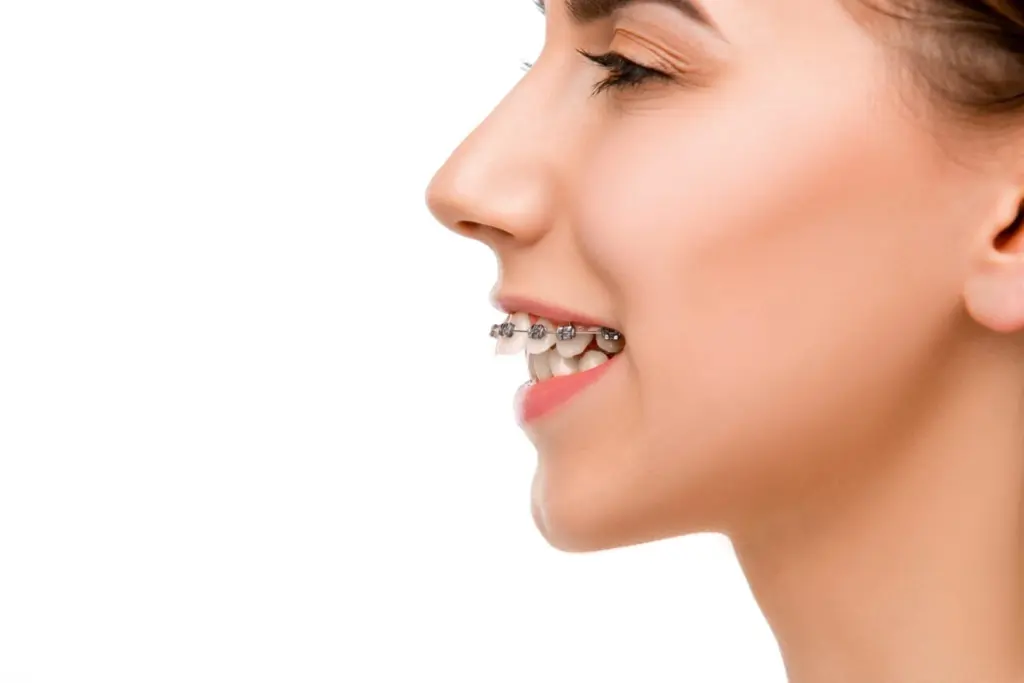
Many people notice that their upper front teeth sit well in front of the lower ones, or that the upper teeth cover much of the lower teeth when they bite. This is commonly called an overbite. It can be mild and barely noticeable, or it can be pronounced enough to affect chewing, speech and the way a smile looks.
This guide explains what an overbite is, what causes it, which overbite treatment options exist and what to expect from the process. The information is general. Only a dentist or an orthodontist who has examined you can say whether treatment is needed and which approach may suit you.
Table of Contents
What Is an Overbite?
An overbite is a bite pattern in which the upper front teeth overlap the lower front teeth vertically. A small amount of overlap is normal and healthy. A deep overbite means the upper teeth cover a large part of the lower teeth, and in some people the lower teeth bite into the gum behind the upper ones.
Get Free Consultation
Have any questions? Leave your details and we'll get back to you shortly.
The term is often used loosely. People sometimes use it when they mean that the upper teeth stick out forward, which is more accurately called overjet. The two can occur together or separately, and a dentist will measure both before suggesting a plan.
Overbite and Overjet: What Is the Difference?
An overbite describes how far the upper teeth cover the lower teeth when you look from the front, in the vertical direction. Overjet describes how far the upper teeth sit in front of the lower teeth, in the horizontal direction. Someone can have a deep overbite with little overjet, or a large overjet with a normal overbite.
This difference matters because the treatment can differ. A deep overbite often needs the front teeth to be levelled or the back teeth to be adjusted, while a large overjet may involve moving the upper teeth back or guiding the growth of the jaws. Your orthodontist will explain which pattern applies to you.
Common Causes of an Overbite
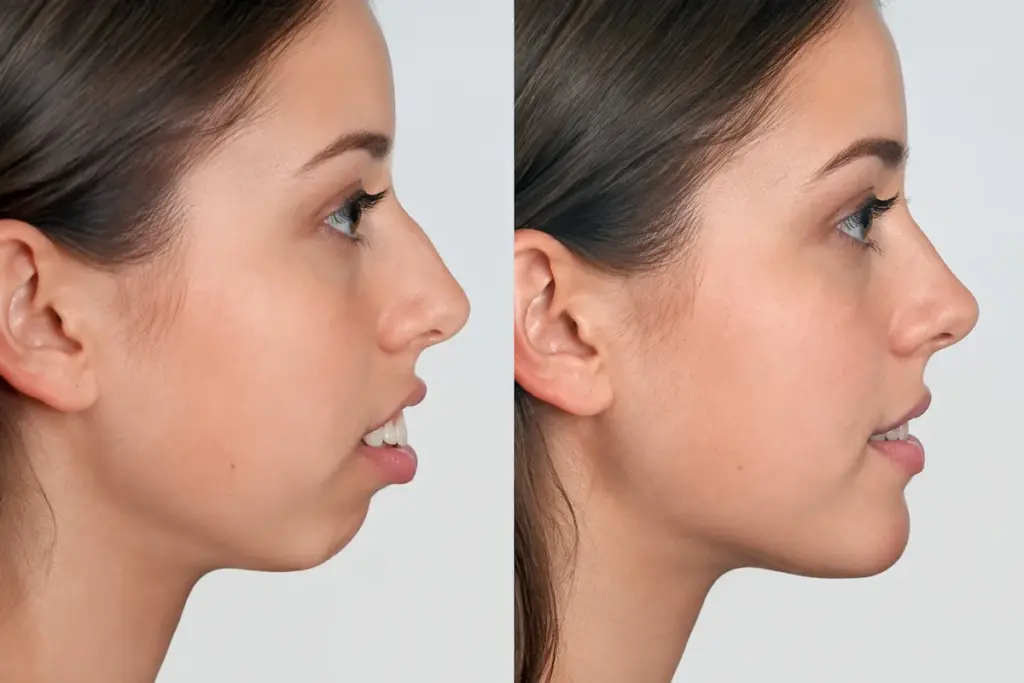
An overbite usually has more than one cause, and it often develops during childhood. Some of the most common are:
- The shape and size of the jaws, for example a lower jaw that is small or set back.
- Inherited tooth and jaw patterns that run in families.
- Habits in childhood such as long term thumb sucking or use of a dummy.
- Early loss of baby teeth or crowded teeth that shift the bite.
- Tongue thrusting or mouth breathing over many years.
- Teeth grinding that wears the back teeth and changes how the jaws meet.
Knowing the cause helps the dentist choose a treatment that deals with the source and not only the appearance.
Signs and Possible Problems of an Untreated Overbite
Many mild overbites cause no trouble. A pronounced one may lead to problems over time, although this varies from person to person. Possible signs include:
- Worn or chipped lower front teeth.
- Gum irritation where the lower teeth touch the gum behind the upper teeth.
- Jaw or facial discomfort and clicking of the jaw joint.
- Difficulty biting into some foods or speaking clearly.
- Self consciousness about the smile or the profile.
These signs do not always mean there is an overbite problem, and other conditions can cause them. A dental examination is the only reliable way to find out.
Overbite Treatment Options at a Glance
Several approaches may be discussed. The table below gives a simplified summary and is only a general guide. Your dentist or orthodontist decides what suits your situation.
| Option | What it involves | Often discussed when |
|---|---|---|
| Braces | Fixed brackets and wires move the teeth gradually | The overbite needs controlled tooth movement |
| Clear aligners | A series of removable clear trays | The overbite is mild to moderate and the person can follow wear time |
| Functional appliance | A removable or fixed device that guides jaw growth | A child or teenager is still growing |
| Headgear or bite correction aids | Extra devices used alongside braces | Some growing patients with a skeletal pattern |
| Jaw surgery with braces | Surgery repositions the jaw after braces prepare the teeth | An adult with a significant jaw difference |
| Restorative treatment | Reshaping or covering teeth | A mild issue where the main concern is appearance |
Braces and Clear Aligners for an Overbite
Braces are the most established way to correct many overbites. Brackets and wires apply gentle, controlled forces that move the teeth step by step. They allow the orthodontist to level the front teeth, adjust the back teeth and bring the upper and lower teeth into a better relationship.
Clear aligners may be an option for some mild or moderate overbites. They are removable, which many adults find convenient, but they work only if they are worn for the recommended number of hours each day. A deep overbite can be harder to correct with aligners alone, so your orthodontist may suggest braces instead or a combination.
Treating an Overbite in Children and Teenagers
In a growing child, the orthodontist may use the growth of the jaws to help. Functional appliances are designed to encourage the lower jaw to develop forward or to restrain the upper jaw, and they are often followed by braces to finish the alignment. Timing matters, and the best moment depends on the child’s stage of growth.
An early check is useful because some problems are easier to guide while the jaws are still developing. Not every child needs early treatment. Often the orthodontist simply watches the bite and starts when it is most effective.
Overbite Treatment for Adults
In adults the jaws have finished growing, so the options differ. Many adults achieve good results with braces or aligners that move the teeth into a better position. These treatments can take a while, and they need a healthy gum and bone.
When the overbite comes mainly from the position of the jaws, the orthodontist may discuss a combined approach. Braces first prepare the teeth, and then an oral and maxillofacial surgeon repositions the jaw. This is a larger decision, with its own risks and recovery, and it is made only after a full assessment and a careful discussion of benefits and limits.
Is Overbite Treatment Always Necessary?
Not always. A mild overbite that causes no discomfort, no wear on the teeth and no concern about appearance may only need to be monitored. Treatment is usually discussed when the bite affects the health of the teeth or gums, comfort or function, or when the person is unhappy with how the teeth look.
The decision is shared between you and your dentist or orthodontist. They can explain what is likely to happen if the overbite is left alone, what treatment could achieve and which option fits your age, your health and your priorities.
What the Assessment Involves
Before any treatment, a careful assessment takes place. The steps are often as follows:
- A discussion of your concerns, your dental history and what you hope to change.
- A look at your teeth, gums, bite and jaw joints.
- Photographs, impressions or digital scans of the teeth.
- X-rays such as a panoramic image or a side view of the head, where needed.
- A treatment plan that explains the options, the likely time, the cost and the possible risks.
Take your time with this stage. A clear plan helps you decide whether the possible results are acceptable to you.
How Long Does Overbite Treatment Take?
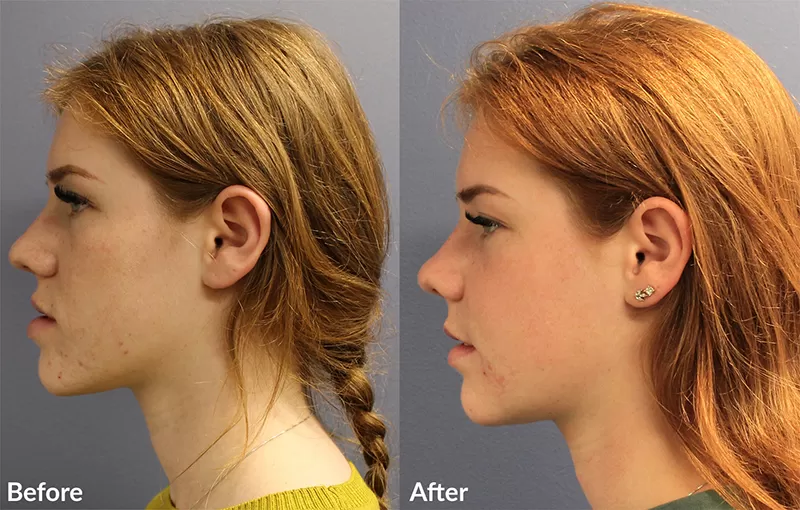
The length of treatment depends on the type of overbite, the method chosen and how closely the plan is followed. Many courses of braces or aligners last from many months to a couple of years, and some cases take longer. Treatment with growth guidance in children is planned around their development.
After the teeth are moved, they need to be held in place. Retainers are normally recommended, and they matter because teeth can drift back. Habits that help the result include:
- Wearing retainers as instructed.
- Brushing twice a day and cleaning between the teeth, especially with braces.
- Attending every follow up visit.
- Avoiding hard or sticky foods that may damage braces.
- Telling the orthodontist early if a bracket or wire comes loose.
Frequently Asked Questions
Can an overbite be corrected without surgery?
In many cases, yes. Braces, clear aligners and appliances can correct a large number of overbites. Surgery is usually considered only when the cause is a significant difference in the position of the jaws. Your orthodontist can tell you after an examination.
Do clear aligners work for a deep overbite?
They can help in some cases, especially when the overbite is mild to moderate. A deep overbite may be harder to correct with aligners alone, so braces or a combination may be advised. The decision depends on your bite.
At what age should overbite treatment start?
It depends on the person. Some children benefit from early guidance while the jaws are growing, while others are better treated later. Adults can also be treated, provided the teeth and gums are healthy.
Will my teeth move back after overbite treatment?
Teeth can drift after treatment, which is why retainers are usually advised. Wearing them as your orthodontist instructs helps keep the result stable, although no outcome can be guaranteed.

 |