Skip to content

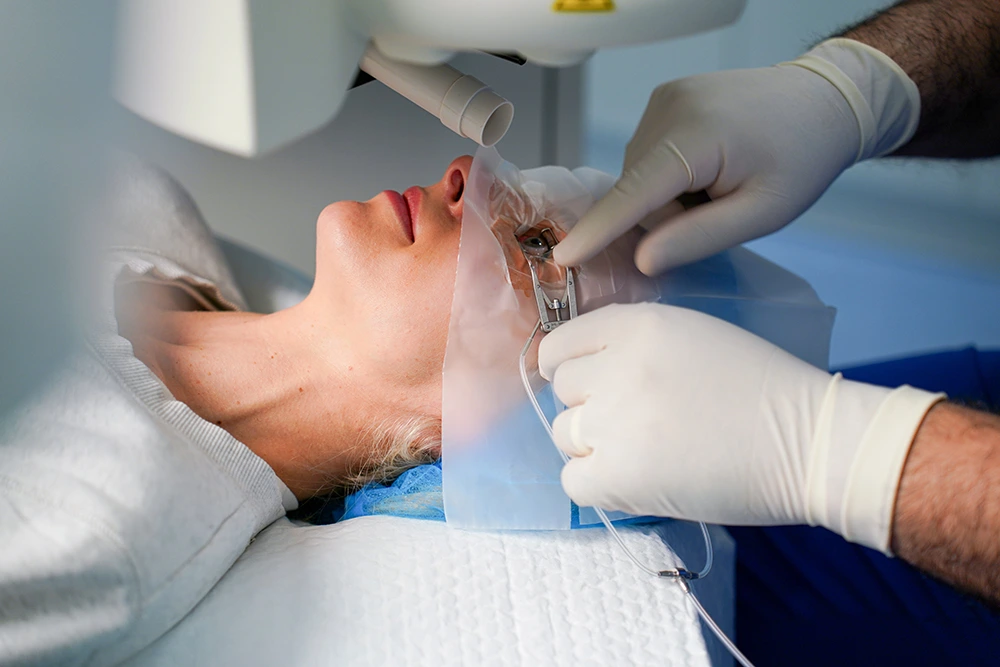
Presbyopia surgery is one of the most searched topics among people who have reached their forties or fifties and find that reading menus, phone screens and labels has become a struggle. The condition is a normal part of ageing, and for many people reading glasses solve the problem well. Others want to reduce their dependence on glasses and wonder whether an operation could help.
This guide explains what presbyopia is, which surgical options exist, how they differ, who may be considered and what recovery and risks involve. The information is general. Only an eye doctor who has examined you can say whether surgery is appropriate, which procedure might suit your eyes and what to expect in your own case.
Table of Contents
What Is Presbyopia and Why Does It Happen?
Presbyopia is the gradual loss of the eye’s ability to focus on near objects. Inside the eye, the natural lens is flexible when we are young, and it changes shape easily to bring close things into focus. With age the lens becomes stiffer, and the muscles around it can no longer reshape it as well.
Get Free Consultation
Have any questions? Leave your details and we'll get back to you shortly.
The first signs usually appear after about 40. People notice that they hold books further away, need more light to read, or find that small print blurs after a while. The change continues for some years and then tends to settle. It is not a disease, and it happens to nearly everyone, including people who never needed glasses before.
Do You Need Surgery? Non Surgical Options Come First
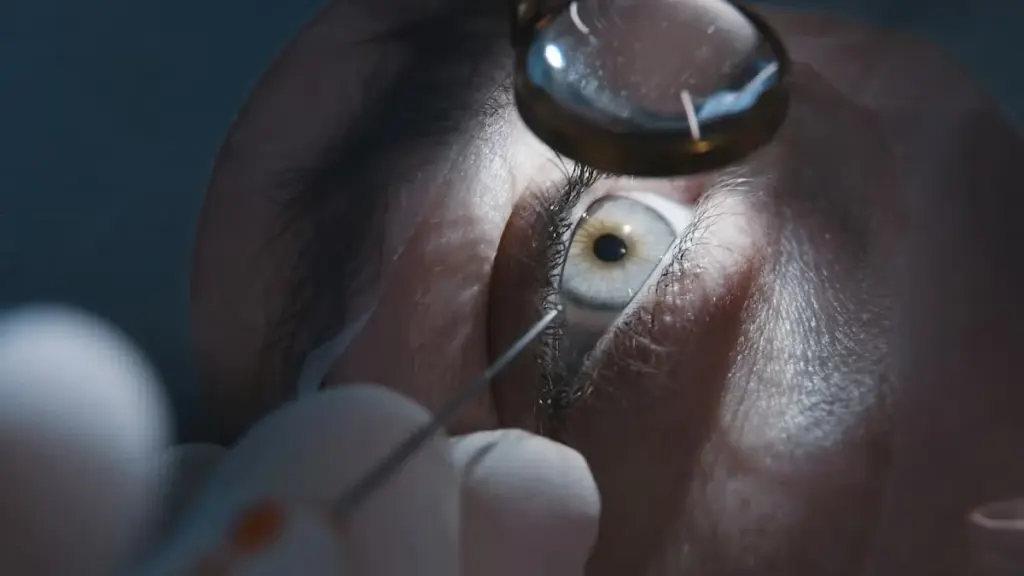
Before surgery is discussed, it helps to know that simple options work well for many people. Reading glasses, varifocal lenses, bifocals and multifocal contact lenses all address presbyopia without any operation. They are reversible, they can be changed as your eyes change and they carry no surgical risk.
Surgery is generally considered by people who strongly prefer to reduce glasses use, who have another reason to treat their eyes, such as early cataract, or who have not been happy with glasses or contact lenses. It is a choice, not a necessity, and it is worth weighing carefully.
Presbyopia Surgery Options at a Glance
Several types of procedure may be discussed. The table below gives a simplified summary of the main ones. It is only a general guide, and an eye doctor decides what suits your eyes.
| Option | How it works | Often discussed for |
|---|---|---|
| Laser monovision | One eye is set for distance and the other for near | Adults with healthy corneas who accept a trade off |
| Presbyopic laser treatments | The cornea is reshaped to give a range of focus | Selected patients after careful testing |
| Refractive lens exchange | The natural lens is replaced by an artificial lens | Patients with presbyopia, often with cataract changes |
| Multifocal or extended depth lenses | The new lens focuses at several distances | Patients who want less dependence on glasses |
Laser Monovision
In monovision, laser treatment is used to set one eye for seeing far and the other for seeing near. The brain learns to use each eye for its own task, so that many people can manage most daily activities with fewer glasses. Before committing, some doctors suggest trying monovision with contact lenses to see whether you adapt.
Not everyone adjusts to this arrangement. Some people notice reduced depth perception or find night driving harder, and fine detail at a given distance may still need glasses. The procedure is made on the surface of the cornea, so it needs corneas that are thick enough and healthy.
Refractive Lens Exchange With Multifocal Lenses
In refractive lens exchange, the natural lens is removed and replaced by an artificial lens. The operation is similar to cataract surgery. Lenses that have more than one focus, such as multifocal or extended depth designs, can give useful vision at more than one distance.
This approach removes the stiffening lens, so presbyopia does not return in the same way, and the natural lens cannot develop a cataract later. On the other hand, it is an operation inside the eye, so it carries risks that surface laser treatment does not. Some people also notice halos or glare around lights, especially at night.
Other Procedures You May Hear About
Other approaches exist, including small implants placed in the cornea and various forms of laser treatment designed to create a more flexible focus. Some of these have been used in specific markets or in research, and some have been withdrawn or fallen out of favour in some regions.
If a clinic proposes one of these options, ask what evidence supports it, how many patients the surgeon has treated and what the long term experience has been. A reliable team will explain the limits as clearly as the advantages.
Who May Be a Candidate for Presbyopia Surgery?
Candidates are usually adults over 40 whose near vision has declined and whose prescription has been stable for a while. Their eyes should be healthy, with corneas suitable for the planned procedure and no conditions that would raise risk. They should also have realistic expectations, including the understanding that reading glasses may still be needed in some situations.
Lifestyle matters. A person who does a lot of night driving, close work or fine detail tasks may weigh the options differently from someone who mainly wants to read a phone comfortably. A good consultation looks at how you use your eyes every day and not only at test results.
Who May Need to Wait or Choose Another Route?
Some eye and health conditions make surgery less suitable or call for extra care. Your doctor may advise caution or a different plan if you have any of the following:
- Dry eye that is not well controlled.
- Corneal thinning, scarring or an irregular surface.
- Glaucoma, retinal disease or other conditions that affect the back of the eye.
- Uncontrolled diabetes or an autoimmune condition.
- An unstable prescription or recent significant change in vision.
- Unrealistic expectations about being completely free of glasses.
These are examples and not a full list. Each case is judged individually, and in some cases treating another problem first leads to a safer, better result.
What the Assessment Involves
Before any presbyopia surgery, a detailed assessment is carried out. The steps are often as follows:
- A review of your eye and general health history, medicines and daily vision needs.
- Measurements of your prescription, eye pressure and the shape and thickness of the cornea.
- A check of the lens, retina and optic nerve, usually with the pupils widened.
- A discussion of the procedures that might suit you, with their benefits, limits and risks.
- A decision together with your doctor, including whether to wait or choose non surgical options.
Do not rush this process. The tests help your surgeon predict how your eyes may respond, and the discussion helps you decide whether the trade offs are acceptable.
Recovery and What to Expect
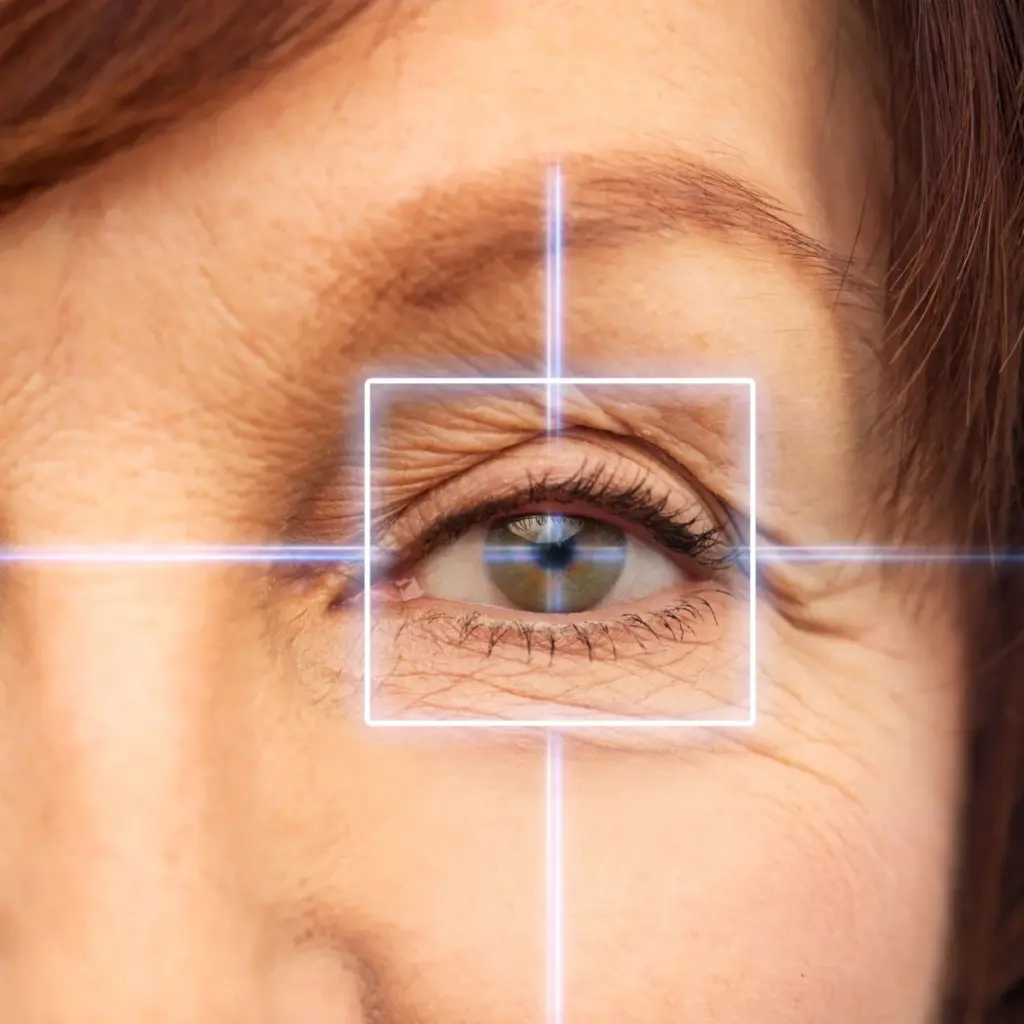
Recovery depends on the procedure. After laser treatment, many people notice blurred or fluctuating vision for a short period and may use eye drops for several weeks. After lens exchange, drops are also used, and vision usually settles over days to weeks, although the brain may need longer to adapt to multifocal lenses.
Your doctor will give written instructions and arrange follow up visits. You may be told to avoid rubbing your eyes, swimming and heavy exercise for a while. Contact your clinic without delay if you notice worsening pain, sudden vision loss or strong redness, because these signs need prompt attention.
Risks and Limits to Understand
Every operation carries risk. Possible problems include dry eye, glare, halos, reduced contrast, the need for additional procedures and, more rarely, infection or other serious complications. Lens based surgery also involves risks related to the inside of the eye, such as inflammation or retinal problems.
Results are not guaranteed. Some patients still need reading glasses for small print or dim light, and a small number need a second procedure to fine tune the result. Outcomes differ between people, and no clinic can promise perfect vision at all distances.
Frequently Asked Questions
At what age can presbyopia surgery be considered?
Presbyopia usually begins after about 40, and surgery is generally considered once near vision has declined and the prescription has been stable. The right time depends on your eyes and your needs, and an eye doctor can advise you.
Will I be free of reading glasses after presbyopia surgery?
Not necessarily. Many people reduce their dependence on glasses, but some still need them for small print or dim light. Your surgeon should explain what level of independence is realistic for you.
Is presbyopia surgery permanent?
The change made by surgery is long lasting, but the eyes continue to age, and other conditions such as cataract or dry eye can develop later. Lens replacement removes the natural lens, so presbyopia does not return in the same way, but other changes may still occur.
Is presbyopia surgery painful?
The procedures are performed with numbing drops or local anaesthetic, so pain is not expected during the operation. Mild irritation, dryness or sensitivity to light is common for a short time afterwards and is managed with drops and follow up.

 |