Skip to content


Breast implant removal surgery is more common than many people realise. Implants are not designed to last forever, and some women choose to have them taken out for health reasons, because a problem has developed or simply because their wishes have changed. Whatever the reason, it helps to understand what the operation involves before you decide.
This guide explains why implants are removed, which techniques exist, how they differ, who may be considered and what recovery and risks involve. The information is general. Only a plastic surgeon who has examined you can say whether removal is appropriate, which approach may suit you and what to expect in your own case.
Table of Contents
What Is Breast Implant Removal Surgery?
Breast implant removal surgery, sometimes called explant surgery, is an operation to take out one or both breast implants. The surgeon usually works through the same area as the original operation, often along the crease under the breast, although another approach may be used if it is safer.
Get Free Consultation
Have any questions? Leave your details and we'll get back to you shortly.
Around each implant, the body forms a thin layer of scar tissue known as a capsule. Depending on the case, the surgeon may leave the capsule in place, remove part of it or take it out together with the implant. The choice depends on the condition of the capsule, the reason for removal and your general health.
Common Reasons for Removing Breast Implants
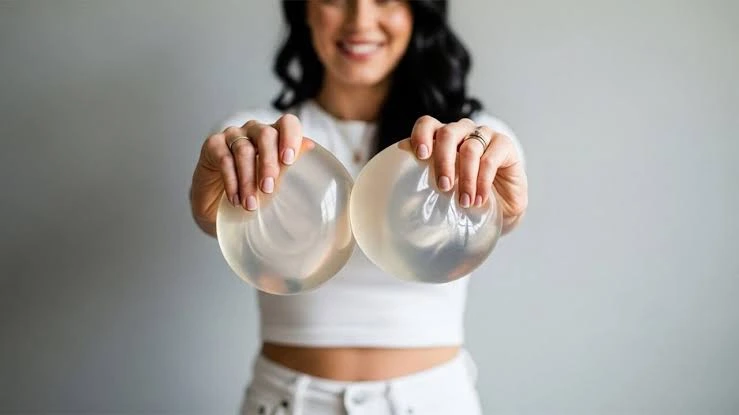
There is no single reason, and many women have more than one. Some of the most common are:
- Capsular contracture, where the scar tissue tightens and the breast feels hard or looks distorted.
- A rupture or leak found on examination or imaging.
- Changes in shape, position or size over the years.
- Pain or discomfort that is linked to the implants.
- Concerns about health, including questions about rare conditions linked to implants.
- A change in personal taste or lifestyle.
- Implants that have reached the end of their expected lifespan.
Whatever your reason, a good surgeon will listen to you and explain the options without pressure.
Breast Implant Removal Options at a Glance
Several approaches may be discussed. The table below gives a simplified summary. It is only a general guide, and your surgeon decides what suits your situation.
| Option | What it involves | Often discussed when |
|---|---|---|
| Implant removal only | The implant is taken out, and the capsule is left | The capsule is healthy and the reason is personal choice |
| Removal with capsulectomy | The implant and part or all of the capsule are removed | The capsule is thickened, hard or painful |
| En bloc removal | The implant and capsule are removed together in one piece | A rupture, or a medical reason to remove the capsule intact |
| Removal with a breast lift | The implant is removed and the breast is reshaped | Skin has stretched, and the breasts may sag after removal |
| Removal with fat transfer | The implant is removed and the patient’s own fat is used to add shape | Some patients want a softer shape without an implant |
Types of Removal: Implant Only, Capsulectomy and En Bloc
In implant removal only, the surgeon takes out the implant and leaves the capsule. This is a shorter operation, and it may suit women whose capsules are soft and healthy. The remaining capsule is usually absorbed by the body over time.
In a capsulectomy, the surgeon removes part or all of the capsule along with the implant. This is a longer operation and carries more risks than implant removal alone, but it may be advised when the capsule is hard, thickened or inflamed. In en bloc removal, the implant and the whole capsule are taken out as one piece, which is more often discussed after a rupture or for specific medical reasons.
Removal With a Breast Lift or Fat Transfer
After implants are removed, the skin that stretched around them may not return fully to its earlier shape. Some women notice that their breasts look flatter, looser or lower. A breast lift can reshape the tissue and reposition the nipple, and it can be done in the same operation as the removal or as a separate stage.
Fat transfer is another option. Fat is taken from another area of the body by liposuction and placed into the breast to add softness and shape. It cannot restore the previous size, and part of the transferred fat may be absorbed over time. Your surgeon can explain what is realistic for your tissues.
Who May Be a Candidate for Breast Implant Removal?
Most adults with implants can be considered, whether the wish for removal comes from a medical reason or a personal one. Candidates should be in good general health, free from conditions that raise surgical risk and able to follow aftercare instructions. They should also have realistic expectations about how the breasts may look afterwards.
It is wise to wait or take extra care if you smoke, have poorly controlled medical conditions, have an active infection or are pregnant or breastfeeding. Your surgeon will advise on the right timing. In some cases, a medical problem must be treated first.
What the Assessment Involves
Before any removal, a careful assessment takes place. The steps are often as follows:
- A discussion of your reasons, your history with the implants and your expectations.
- A review of your general health, medicines and any previous operations.
- A breast examination and, where needed, imaging such as ultrasound or MRI to check the implants and capsules.
- A conversation about the techniques that might suit you, including whether a lift or fat transfer should be considered.
- A decision made together with your surgeon, including the timing and the type of anaesthesia.
Do not rush this process. The assessment helps your surgeon plan safely, and the conversation helps you decide whether the possible outcomes are acceptable to you.
How the Operation Is Carried Out
Removal is usually carried out under general anaesthesia, although local anaesthesia with sedation may be used in some cases. The surgeon makes an incision, takes out the implant and, if planned, removes part or all of the capsule. Drains may be placed to collect fluid, and the incision is closed with stitches.
The length of the operation depends on the technique. Removal of the implants alone is often shorter, while capsulectomy, en bloc removal or the addition of a lift take longer. Many patients go home on the same day, but your surgeon will tell you what to expect.
Recovery and What to Expect
Recovery varies with the type of operation. After removal, you can expect some swelling, bruising and soreness for a number of days or weeks. Your surgeon may advise a supportive garment and will explain how to look after the wounds and any drains.
Most people return to light daily activities within a short time, while heavy lifting and strenuous exercise are usually avoided for several weeks. Follow up visits allow the surgeon to check healing. Contact your surgeon without delay if you notice a fever, spreading redness, increasing pain, a rapid swelling of one breast or fluid leaking from the wound.
Risks and Limits to Understand
Every operation carries risk. Possible problems include bleeding, infection, a collection of fluid, changes in nipple or skin sensation, scarring that is more visible than expected, asymmetry and the need for a further procedure. Capsulectomy and en bloc removal carry more risk than removal alone because more tissue is dealt with.
Results are not guaranteed. The shape of the breast after removal depends on skin quality, the size of the implants, how long they were in place and your own tissues. Outcomes differ between people, and a surgeon should explain what is likely for you, including any possible change in breast shape.
Will the Breasts Look Different After Removal?
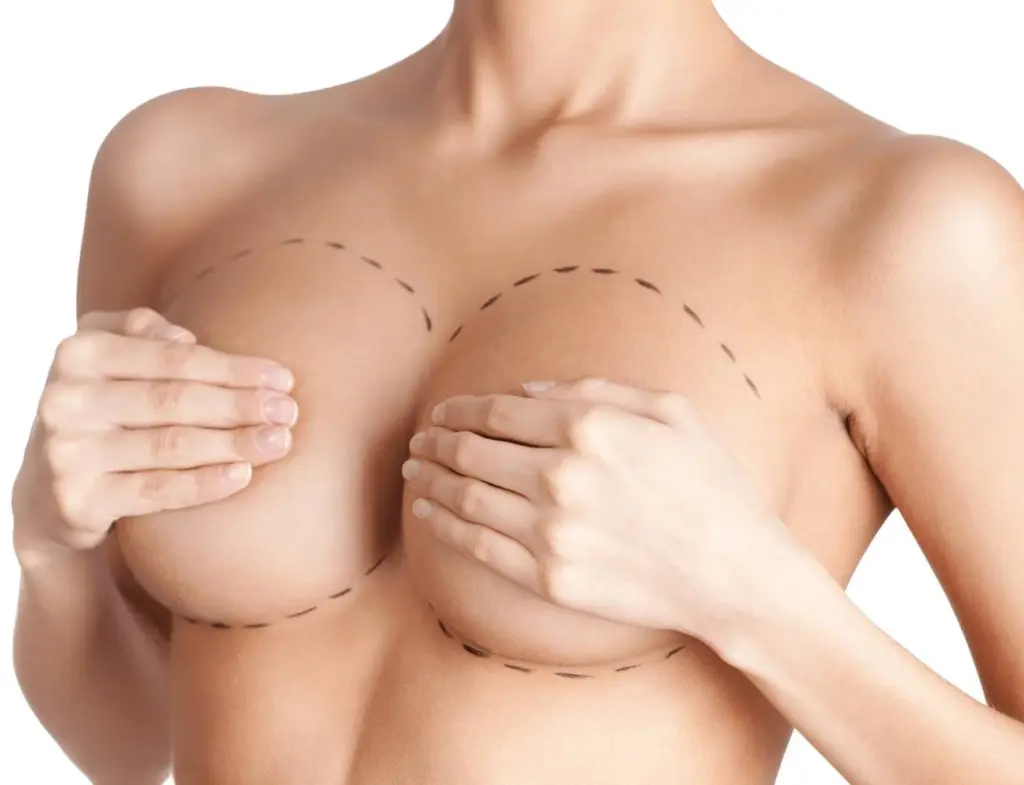
Most women notice some change in size and shape. The breasts are often smaller, and in some cases they can look looser or lower because the skin has been stretched. The nipples and skin may also feel different at first. In others, the result looks natural and the change is modest.
It helps to look at before and after examples that suit your own situation and to ask your surgeon how your skin and tissue are likely to behave. If you are concerned about shape, ask about a lift or fat transfer before the operation so that you can plan together.
Frequently Asked Questions
How long does breast implant removal surgery take?
It depends on the technique. Removal of the implants alone is often shorter, while capsulectomy, en bloc removal or the addition of a lift take longer. Your surgeon can give you an estimate for your plan.
Is breast implant removal surgery painful?
The operation is performed under anaesthesia, so pain is not expected during it. Soreness, tightness and bruising are common afterwards and are usually managed with pain relief and rest, and your surgeon will advise on this.
Do I need a breast lift when I have my implants removed?
Not always. Some women need no lift, while others, particularly those with stretched skin, may be advised to consider one. Your surgeon can tell you after examining your breasts.
How soon can I return to normal activities after implant removal?
Many people return to light activities within a short time and avoid strenuous exercise and heavy lifting for several weeks. The exact timing depends on the technique and on how you heal, so follow your surgeon’s advice.

 |