Skip to content

A sudden, involuntary flutter around your eye can be highly distracting. Whether it presents as a tiny vibration or a persistent contraction, patients frequently visit our clinic asking, “Why does my eyeball keep spasming?” Clinically known as myokymia, these involuntary muscle contractions are incredibly common, usually harmless, and typically resolve without medical intervention.
However, when a spasm persists or is accompanied by other neurological symptoms, understanding the structural triggers becomes essential. Let’s explore the clinical eyeball spasms causes, how daily physiological stress affects your ocular muscles, and when an involuntary twitch requires a specialist’s evaluation.
Table of Contents
What is an Eyeball Spasm?
When patients ask, “Can a spasm happen in your eye?”, it helps to clarify the anatomy. A spasm does not typically occur within the structural globe of the eyeball itself. Instead, it occurs in the orbicularis oculi muscle, the delicate muscle structure responsible for closing your eyelids.
Get Free Consultation
Have any questions? Leave your details and we'll get back to you shortly.
Because these muscle fibers are exceptionally thin and sensitive, even minor metabolic or neurological shifts can cause them to misfire. This misfiring creates a repetitive pulsing sensation that feels as though the entire eyeball is shaking, though the movement is localized to the surrounding eyelid tissue.
Primary Structural and Environmental Eyeball Spasms Causes
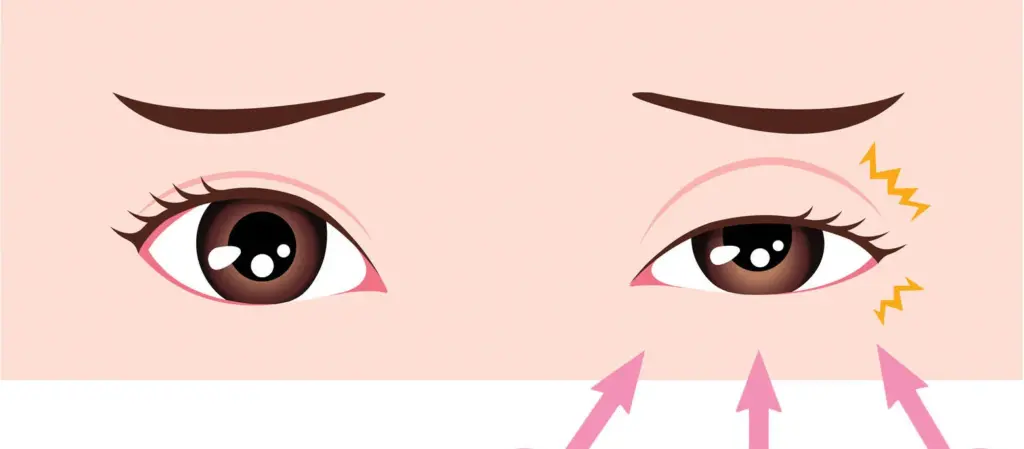
Most cases of localized ocular myokymia are classified as benign and transient. The most frequent physiological triggers include:
- Eye Twitching Stress: High cortisol levels induced by emotional or physical stress directly excite peripheral nerve pathways, causing the sensitive muscles around the eye to twitch involuntarily.
- Severe Fatigue and Sleep Deprivation: Lack of sleep disrupts cellular recovery and alters normal neurotransmitter balance, making muscle fibers hyper-irritable.
- Digital Eye Strain: Straining your eyes at computers, phones, or tablets for extended periods forces the ocular muscles to overwork, leading to localized fatigue and spasms.
- High Caffeine or Alcohol Intakes: Excessive consumption of stimulants like caffeine accelerates nervous system activity, lowering the threshold for involuntary muscle contractions.
Specialized Physiological Contexts: Duration, Headaches and Pregnancy
Ocular spasms often present alongside specific systemic changes or distinct lifestyle circumstances:
Eye Twitching for 3 Days or More
A sudden twitch that continues uninterrupted for multiple days can cause significant anxiety. In most benign cases, eye twitching for 3 days simply indicates that the underlying trigger has not yet been fully resolved.
Eye Twitching and Headache
When you experience an eye twitching and headache simultaneously, it is often tied to deep fatigue, structural eye strain, or an oncoming migraine. The nerve pathways supplying your face and eye muscles share dense connections with sensory pain networks, meaning a severe headache can reflexively trigger surrounding muscle contractions.
Eye Twitching During Pregnancy
Hormonal shifts, increased blood volume, and systemic fatigue can cause a sudden onset of eye twitching pregnancy symptoms. Additionally, nutritional demands during pregnancy can deplete certain micronutrients, altering how nerves and muscles interact.
Nutrient Deficiencies and Ocular Muscle Function
When analyzing what deficiency causes eye spasms, ophthalmologists look closely at metabolic and electrolyte balances. Your muscles require specific minerals to relax after a contraction:
- Magnesium Deficiency: Magnesium plays a critical role in regulating neuromuscular signals. When magnesium levels drop, nerve fibers fire too rapidly, causing muscles to cramp or twitch.
- Calcium and Potassium Deficiencies: These electrolytes govern the electrical charges within muscle cells. Any imbalance can trigger spontaneous hyper-reactivity in thin muscle structures.
- Vitamin B12 Deficiency: Vitamin B12 is essential for maintaining the protective myelin sheath around nerves. A deficiency can cause localized nerve misfires, manifesting as an eyelid spasm.
Eyeball Spasm vs. Serious Neurological Conditions
A frequent concern among patients experiencing sudden facial twitching is: Is eye twitching a mini stroke?
Medical Reality Check: A benign eyelid twitch (myokymia) is almost never a sign of a mini stroke (Transient Ischemic Attack) or a full stroke. A stroke involves severe neurological deficits caused by disrupted blood flow to the brain, presenting with sudden facial dropping on one side, arm weakness, and slurred speech.
If your eye twitch is isolated and your facial muscles function normally, it is an isolated muscular issue. However, if the spasm spreads down your face, forces your eyelid to clamp entirely shut, or is accompanied by vision loss, you must be evaluated for conditions like blepharospasm or hemifacial spasm.
How Long Does Eye Twitching Last and How is it Corrected?
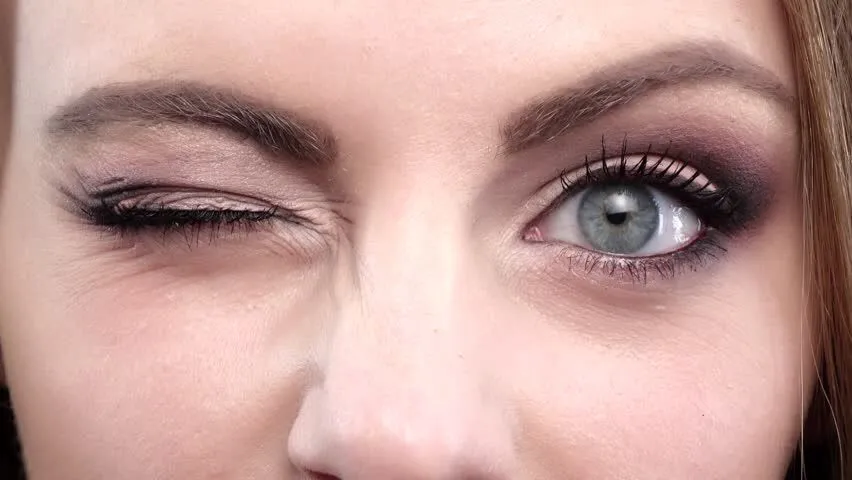
If you are wondering how long does eye twitching last, the vast majority of benign spasms disappear within a few hours to a few weeks. Managing and eliminating the condition relies heavily on conservative lifestyle adjustments:
- Prioritize Neurological Rest: Aim for 7 to 8 hours of quality sleep to let your ocular nerve networks stabilize.
- Apply Warm Compresses: Placing a warm, damp cloth over your closed eyes helps relax the overactive orbicularis oculi muscle fibers.
- Systematic Stress Reduction: Incorporate regular breaks during digital work and practice stress-management techniques to lower daily cortisol.
- Targeted Micronutrient Supplementation: If blood tests reveal an imbalance, your physician may recommend magnesium or B-complex vitamins to restore nerve health.
Frequently Asked Questions (FAQ)
What is the primary cause of an eyeball spasm?
The most common causes of an eyeball spasm (eyelid myokymia) are high physiological stress, severe fatigue, excessive caffeine consumption, and prolonged digital eye strain.
Can a lack of vitamins cause my eye to twitch?
Yes, deficiencies in magnesium, calcium, potassium, or Vitamin B12 can alter normal neuromuscular signaling, causing the delicate muscles around the eye to twitch spontaneously.
When should I see a doctor for an eye twitch?
You should consult an ophthalmologist if your eye twitch lasts longer than a few weeks, causes your eye to close completely, spreads to other parts of your face, or is accompanied by redness, discharge, or vision changes.
Does stress directly trigger eyeball spasms?
Yes, eye twitching stress correlation is highly common. Emotional or physical stress increases systemic adrenaline and cortisol, which directly over-excites the peripheral nerves around your eyelids.
Why do eyeball spasms happen during pregnancy?
Spasms during pregnancy are typically driven by a combination of fluctuating hormones, increased fatigue, dehydration, and mild electrolyte or magnesium imbalances.

 |
|