Skip to content
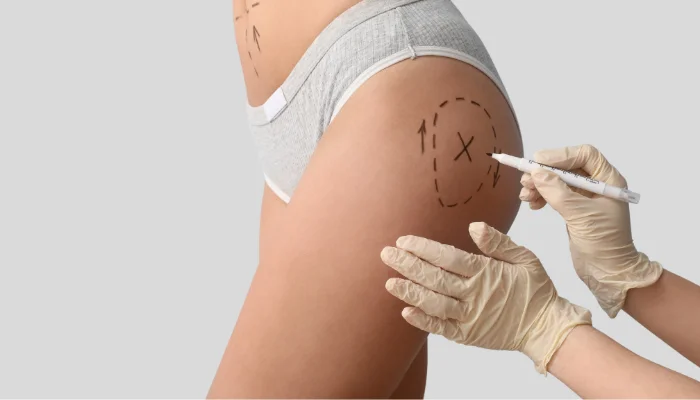
Hip dips, known anatomically as trochanteric depressions or violin hips, are the natural inward indentations found along the side of the body just below the hip bones and above the upper thighs. Unlike localized fat deposits, hip dips are fundamentally determined by skeletal anatomy: the vertical distance between the iliac crest (pelvis) and the greater trochanter of the femur. Because this contour is dictated by bone framework, pelvic width, and muscle attachments, no amount of targeted exercise, muscle building, or dieting can fill these skeletal hollows.
For individuals seeking a continuous, smooth, hourglass silhouette, hip dip surgery provides an effective, permanent body contouring solution.
Table of Contents
What Is Hip Dip Surgery and How Does It Work?
If you are researching what is hip dip surgery, it is a surgical body sculpting procedure designed to fill and smooth the lateral pelvic indentations to create a rounded, harmonious transition between the waist and thighs.
Get Free Consultation
Have any questions? Leave your details and we'll get back to you shortly.
While synthetic options (such as high-viscosity hyaluronic acid or Sculptra body fillers) exist, autologous fat grafting, commonly known as fat transfer hip dip surgery or a targeted Brazilian Butt Lift (BBL) variant, is the clinical standard:
- Liposuction Harvesting: The plastic surgeon uses power-assisted or ultrasound-assisted liposuction (such as VASER) to gently harvest living subcutaneous fat cells from areas with excess fullness, such as the abdomen, flanks (love handles), or lower back.
- Purification and Centrifugation: The harvested aspirate is carefully processed, separated, and filtered using sterile closed systems to isolate pure, viable adipocytes (fat cells) and regenerative adipose-derived stem cells, discarding free lipids, blood, and tumescent fluid.
- Micro-Droplet Infiltration: Using specialized blunt cannulas, the surgeon meticulously injects micro-droplets of purified fat directly into the subcutaneous tissue plane over the trochanteric depression. Distributing the fat in microscopic layers ensures that every grafted cell remains in direct contact with adjacent blood vessels, maximizing cellular survival (graft take).
Safety Profile: Is Hip Dip Surgery Dangerous?
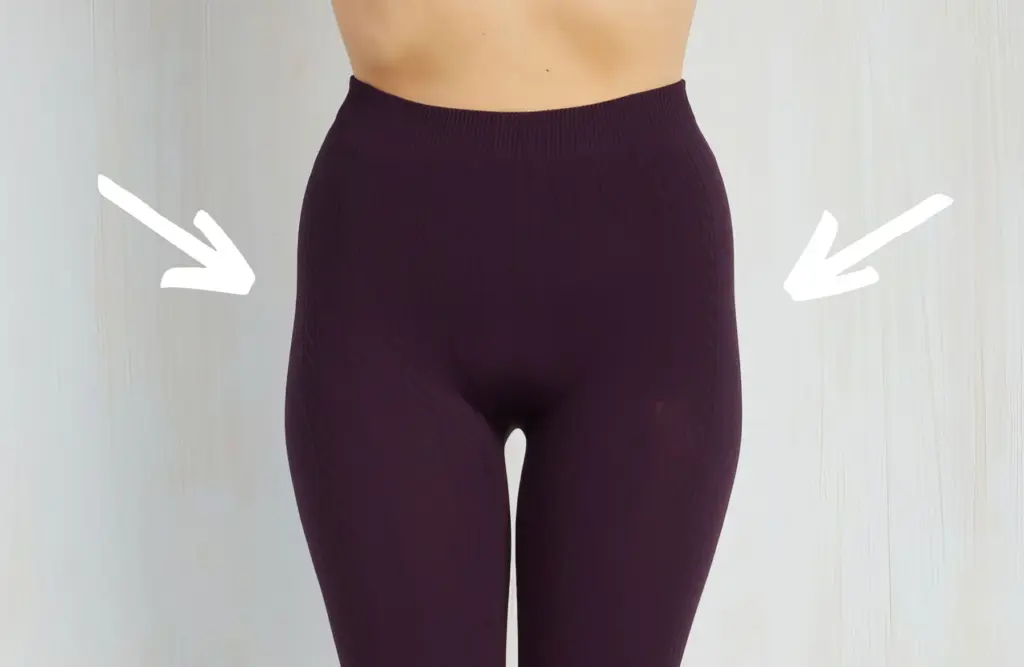
A vital question for prospective patients is: is hip dip surgery dangerous?
When performed by a board-certified plastic surgeon adhering to modern anatomical safety guidelines, fat grafting to the hip dips is safe and routine. However, understanding the safety profile requires differentiating between traditional intramuscular buttock injections and subcutaneous hip grafting:
- The Subcutaneous Safety Rule: Historical complications associated with fat transfer to the buttocks (such as fatal pulmonary fat embolism) occurred exclusively when large volumes of fat were injected deeply into or underneath the gluteus maximus muscle, where large veins lead directly to the heart.
- Lateral Hip Anatomy: Modern surgical consensus strictly forbids deep intramuscular fat injection. Hip dip fat transfer targets the superficial subcutaneous layer (the fat layer directly beneath the skin and above the muscle fascia). The lateral hip region lacks large deep venous trunks, making subcutaneous fat grafting in this area low-risk.
- Minimizing General Risks: Standard surgical risks include localized bruising, swelling, temporary numbness, asymmetry, or minor fat necrosis (small firm lumps that form if a cluster of fat cells fails to establish a blood supply). These risks are kept below two percent when treated in accredited surgical facilities.
Longevity: How Long Does Hip Dip Surgery Last?
Patients evaluating procedural investments frequently ask how long does hip dip surgery last:
- Permanent Cellular Integration: Unlike temporary injectable fillers that metabolize within 12 to 24 months, fat transfer provides permanent, lifelong structural enhancement. Once grafted fat cells establish a functional capillary network (a biological process called neovascularization, completing within three to four months), they behave identically to the fat cells naturally present in your body.
- The 60 to 70 Percent Retention Baseline: During the initial 12 weeks, the body naturally resorbs approximately 30 to 40 percent of the injected volume because not every cell establishes immediate microvascular connections. Experienced plastic surgeons anticipate this by calculating slight overcorrection. Whatever fat remains at month four represents your permanent result.
- Weight Fluctuation Dynamics: Living grafted fat cells will expand if you gain significant weight and shrink if you lose weight. Maintaining a stable, healthy baseline weight preserves your sculpted hip contours over decades.
Real-World Expectations: Hip Dip Surgery Before and After
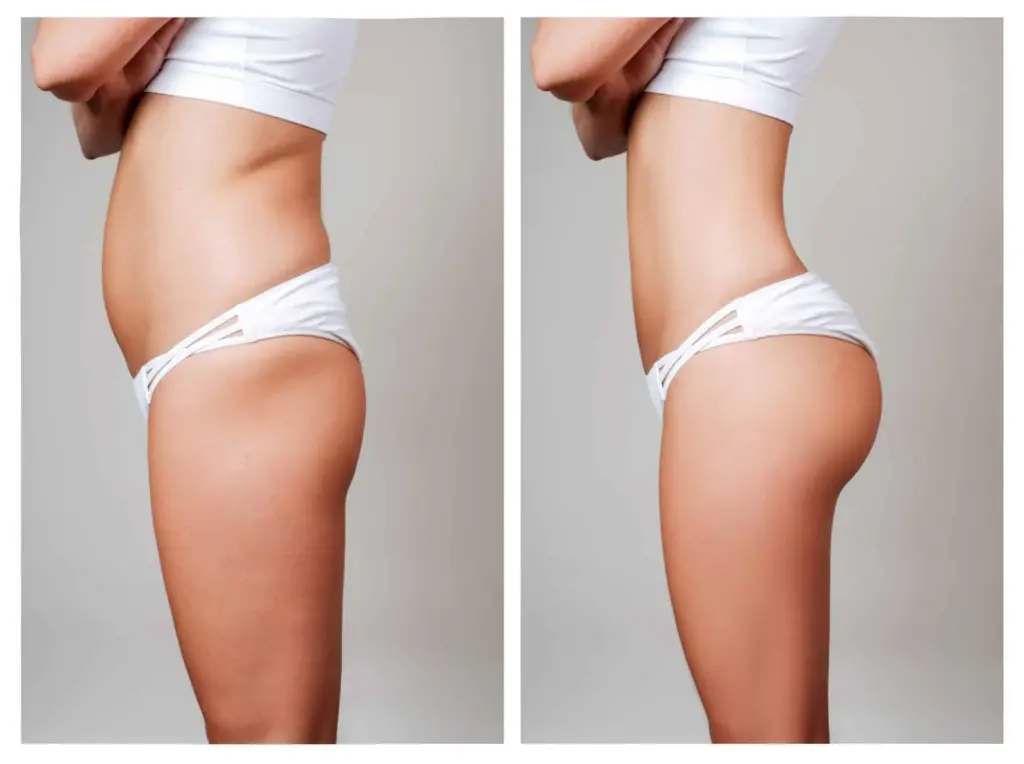
Examining documented hip dip surgery before and after photographic outcomes illustrates consistent structural improvements:
- Seamless Hourglass Transition: The sharp indentations between the upper pelvis and mid-thigh are eliminated, creating an uninterrupted feminine curve from waist to knee.
- 360-Degree Waist Narrowing: Because fat is harvested from the waist, abdomen, and flanks, patients benefit from dual-action contouring: their midsection is slimmed and defined, which visually accentuates the new width and curvature of the hips.
- Natural Texture and Movement: Because the area is filled exclusively with the patient’s own living adipose tissue, the augmented hips feel soft, warm, and natural to the touch, with zero risk of implant shift or visible edges.
- Discreet Scars: The tiny liposuction and injection access punctures (each three to four millimeters in length) are placed in hidden skin creases and fade to faint pale dots within six to twelve months.
Recovery Milestones: Hip Dip Surgery Recovery
A structured hip dip surgery recovery plan protects delicate fat grafts during the critical revascularization window:
- Days 1 to 7: Mild to moderate soreness at the liposuction donor sites (similar to an intense workout) is managed with prescribed oral pain relievers. Patients must wear a specialized compression garment (faja) over the liposuction areas to reduce swelling. However, compression directly over the grafted hip dips must be avoided or kept loose to prevent crushing newly placed fat cells.
- Sleeping Modifications: For the first two to three weeks, patients must sleep strictly on their backs or stomachs. Sleeping on your side is prohibited to avoid continuous pressure that could starve the healing fat grafts of oxygen.
- Weeks 2 to 4: Roughly 70 percent of swelling and bruising subsides. Sedentary office work and gentle daily walking can be resumed after seven to ten days.
- Weeks 6 to 8: The grafted fat cells are permanently integrated into the tissue. Patients are cleared to resume side sleeping, intense physical exercise, weightlifting, and swimming.
- Months 3 to 6: Residual internal edema clears completely, revealing the final refined silhouette.
Treatment Comparison: Surgical Fat Transfer vs. Sculptra vs. Implants
| Parameter | Fat Transfer Hip Dip Surgery | Sculptra / HA Body Fillers | Custom Silicone Hip Implants |
| Procedure Type | Surgical Liposuction & Grafting | In-Office Needle Injections | Invasive Surgical Insertion |
| Filler Material | Autologous Living Fat Cells | Poly-L-Lactic Acid or HA Gel | Solid Medical-Grade Silicone |
| Permanence | Permanent (Retained fat lasts for life) | Temporary (18 to 24 Months) | Permanent (Subject to wear/revision) |
| Tissue Feel | Completely natural and soft | Natural | Can feel firm or detectable at edges |
| Donor Fat Required | Yes (Must have harvestable fat) | No | No |
| Anesthesia | General anesthesia or IV sedation | Topical and local numbing | General anesthesia |
| Primary Limitation | Up to 40% natural resorption | Expensive repetitive treatments | Risk of shift, seroma, and infection |
What Determines the Hip Dip Surgery Cost?
When researching hip dip surgery cost and asking how much is hip dip surgery, prospective patients will discover that pricing is variable rather than a standardized flat fee. Total surgical pricing depends on several specific clinical, geographic, and facility variables:
- Extent of Liposuction Required: The overall price is directly influenced by how many donor areas (flanks, abdomen, thighs, back) are treated to harvest adequate grafting volume and achieve balanced 360-degree body contouring.
- Liposuction Technology Utilized: Advanced tissue-sparing Technologies, such as VASER ultrasound-assisted liposuction or MicroAire power-assisted liposuction, require specialized hospital hardware and disposables, which affect the procedural fee compared to basic manual techniques.
- Surgeon Expertise and Board Certification: Board-certified plastic surgeons specializing in body contouring and high-definition fat grafting charge fees that reflect their advanced skill, aesthetic precision, and low complication rates.
- Hospital Accreditation and Anesthesia: Operations performed under general anesthesia in an accredited hospital with overnight nursing care carry different operating theater and anesthesiology fees than outpatient surgery suites.
- Geographic Location and Medical Travel Packages: Healthcare overhead varies significantly between Western Europe, the US, and accredited medical tourism destinations like Turkey. Programs in Turkey frequently bundle 360-degree liposuction, fat transfer to hips, general anesthesia, hospital stay, post-op compression fajas, luxury hotel accommodations (six to seven nights), and private VIP clinic-airport transfers into one comprehensive, cost-effective arrangement.
Frequently Asked Questions (FAQ)
Can thin individuals with low body fat get hip dip fat transfer?
Patients require a modest amount of pinchable subcutaneous fat on their abdomen, flanks, or thighs to harvest enough volume for meaningful correction (typically 200 to 400 cc of purified fat per hip). Extremely lean individuals with a body mass index (BMI) under 19 may be advised to gain five to ten pounds prior to surgery, or consider collagen-stimulating injectables like Sculptra as a non-surgical alternative.
Will exercise or hip abductor workouts fix my hip dips?
No. Hip dips are an anatomical consequence of your skeletal structure, the distance between your pelvic bone and femur socket. While exercises like side lunges, donkey kicks, and hip abductions build the underlying gluteus medius and minimus muscles, muscle growth cannot physically fill the subcutaneous gap where there is no muscle tissue present. In fact, lowering overall body fat through intense exercise often makes hip dips look deeper and more pronounced.
When will I see the final results after hip dip surgery?
You will notice an immediate improvement in hip curvature right after surgery, although early results include temporary surgical swelling. Over the first eight to twelve weeks, swelling resolves and roughly 30 percent of the transferred fat is naturally reabsorbed. By months four to six, the surviving fat cells are fully revascularized and permanent, showing your true final contour.
What happens to the transferred fat if I lose weight in the future?
Transferred fat cells remain living tissue. If you lose weight in the future, these cells will shrink in volume just like the rest of the fat cells in your body; if you gain weight, they will expand. Minor weight fluctuations of three to five pounds have virtually no noticeable visual impact on your new hip shape, but maintaining a stable weight is key to preserving long-term aesthetic proportions.

 |
|