Skip to content
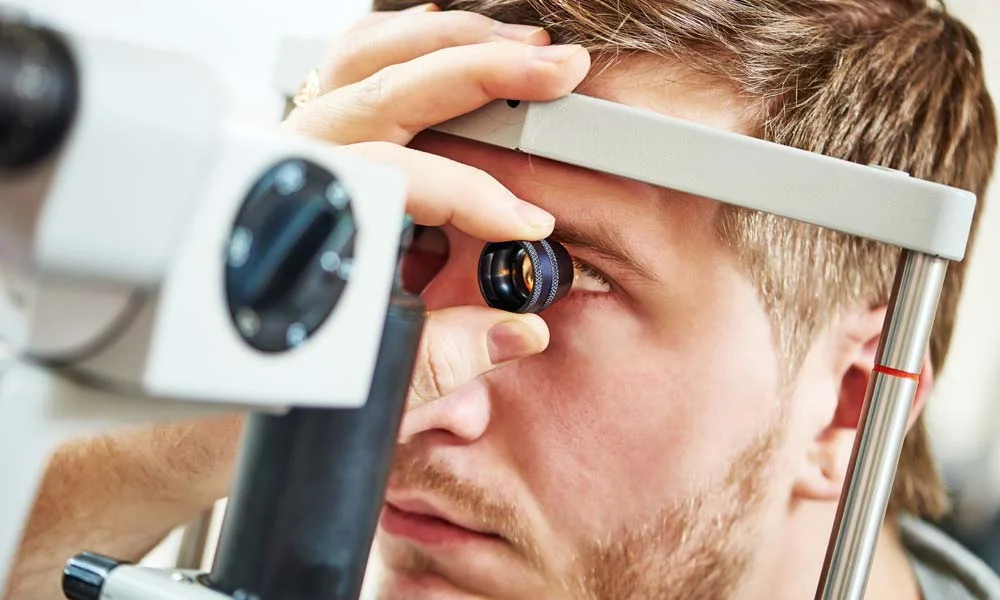
With the rapid expansion of global medical tourism, an increasing number of patients travel internationally to access premium ophthalmic care. However, for international patients undergoing advanced vision correction or retinal treatments, a critical logistical question always arises during the planning phase: can you fly after eye surgery?
Understanding how cabin pressure, recycled airplane air, and high altitudes interact with a healing ocular structure is vital for safeguarding your surgical outcomes. At our clinic, post-operative flight safety is a primary component of our patient discharge protocols.
Below, we provide a comprehensive, medically verified guide detailing exactly when can you fly after eye surgery, the structural risks associated with different procedures, and essential tips for a smooth journey home.
Get Free Consultation
Have any questions? Leave your details and we'll get back to you shortly.
Table of Contents
The Core Physiological Risks of Flying Post-Surgery
To determine if is it safe to fly after eye surgery, ophthalmologists evaluate two primary environmental factors found inside commercial aircraft cabins:
- Atmospheric Pressure Changes: Although modern aircraft cabins are pressurized, the internal pressure at cruising altitudes still equates to being on top of a 6,000 to 8,000-foot mountain. This drop in surrounding pressure causes gases trapped inside enclosed body cavities to expand. For certain specific eye surgeries, this expansion can have catastrophic structural consequences.
- Extreme Low Humidity: The air inside an airplane cabin is highly recycled and typically exhibits humidity levels below 20% (drier than most deserts). This dry air accelerates tear evaporation, which can severely irritate healing corneal flaps or surface incisions.
Timelines by Procedure: How Soon Can You Fly After Eye Surgery?

There is no universal waiting period for aviation travel after ophthalmic intervention. The timeline depends entirely on the specific anatomical structure altered during the procedure.
1. Laser Vision Correction (LASIK, PRK, SMILE)
- Safe Flying Timeline: 24 to 48 hours post-op.
- Clinical Considerations: For patients asking how soon can you fly after eye surgery following LASIK or SMILE, the structural risk of flap displacement due to pressure changes is non-existent. However, the extreme dry air in the cabin will exacerbate temporary post-op dry eye symptoms. Frequent use of preservative-free artificial tears during the flight is mandatory.
2. Cataract Surgery and Lens Replacements (RLE)
- Safe Flying Timeline: 24 to 72 hours post-op.
- Clinical Considerations: Modern cataract and refractive lens exchange operations utilize self-sealing micro-incisions that do not require stitches. Because no gas is introduced into the eye, it is generally safe to board a flight once your surgeon performs your mandatory Day 1 post-operative checkup to verify that your baseline intraocular pressure (IOP) is stable.
3. Retinal Detachment and Vitrectomy Surgery (The Absolute Red Line)
- Safe Flying Timeline: 4 to 6 weeks (Until the gas bubble is 100% dissolved).
- Clinical Considerations: If you are asking can i fly after eye surgery involving a vitrectomy, this is where the strict medical ban applies. During vitrectomy or retinal detachment repair, surgeons often place a temporary medical gas bubble inside the eye to hold the retina in place. If you enter an airplane cabin with a gas bubble inside your eye, the drop in atmospheric pressure will cause the gas bubble to expand rapidly. This expansion elevates intraocular pressure to dangerous levels, cutting off blood flow to the optic nerve and causing irreversible blindness within a few hours.
Comparative Overview: Post-Operative Travel Windows
| Procedure Type | Minimum Wait Before Flying | Primary Risk Factor | Essential Precaution |
| LASIK / SMILE | 24 – 48 Hours | Severe Corneal Dryness | Preservative-free artificial tears every 30 minutes |
| Cataract / IOL Surgery | 1 – 3 Days | Fluctuating Intraocular Pressure | Complete the mandatory Day 1 post-op checkup |
| Vitrectomy (Gas Bubble) | 4 – 6 Weeks | Rapid Gas Expansion & Blindness | Absolute ban until cleared via ultrasound scan |
| Vitrectomy (Silicone Oil) | 7 – 10 Days | Post-op Inflammation / Pressure Shift | Requires custom clearance from the vitreoretinal specialist |
| Corneal Transplant | 7 – 14 Days | Wound Leakage / Stitch Displacement | Wear a protective rigid eye shield throughout the flight |
Clinical Protocol: Step-by-Step Preparation for Your Flight

To ensure your ocular structure remains perfectly protected while traveling, our medical team recommends following this structured protocol before and during your flight:
1.Obtain Official Medical Clearance: Before Booking
Never board an airplane without a formal slit-lamp evaluation by your operating surgeon. The doctor must physically verify that the incisions are sealed and intraocular pressure is within normal parameters.
2.Pack Your Ophthalmic Emergency Kit: At the Airport
Keep all prescribed antibiotic drops, anti-inflammatory drops, and preservative-free lubricants in your carry-on luggage. Never place medication in checked baggage, as temperature fluctuations in the cargo hold can damage the chemical compositions.
3.Enforce Environmental Protection: During the Flight
Turn off the overhead air vent directly above your seat to avoid dry drafts blowing onto your face. Wear your clinic-provided rigid plastic eye shield or protective sunglasses to prevent accidental rubbing or bumping during turbulence.
Frequently Asked Questions (FAQ)
Can you fly after eye surgery safely?
Yes, it is safe to fly after most eye surgeries, provided you have received official clearance from your ophthalmologist during your post-operative checkup and take precautions against dry cabin air.
What is the main danger of flying after a vitrectomy?
The main danger is the presence of a medical gas bubble inside the eye. The low atmospheric pressure of an airplane causes the gas to expand rapidly, which raises intraocular pressure, restricts blood flow, and can cause permanent blindness.
How long after cataract surgery can you fly safely?
Most patients can fly safely 24 to 72 hours after cataract surgery, once the surgeon confirms that the micro-incisions are stable and internal eye pressure is normal.
Why do my eyes feel so dry when flying after LASIK?
Airplane cabins have humidity levels below 20%, which causes your tear film to evaporate much faster than normal. Since LASIK temporarily reduces corneal sensitivity, using preservative-free artificial tears every 30 minutes is crucial.
Can I fly if silicone oil was used instead of gas during my eye surgery?
Unlike gas, silicone oil does not expand under atmospheric pressure changes, making it generally safer for flight. However, you still require direct clearance from your vitreoretinal surgeon to rule out post-op inflammation.

 |
|